

China's Foundry 'Top Two' Hit Record Highs; Korea's Second Place Threatened
Translated from Korean, summarized and contextualized by DistantNews.
At a glance
Analysis
Sources not specified
Context piece
- Chinese foundries SMIC and Huahong Semiconductor achieved record second-quarter revenues, driven by government support and accelerated domestic production.
- These Chinese firms, with a combined market share exceeding Samsung Electronics, are aggressively competing on price to increase their overseas client base.
- South Korea's semiconductor industry, heavily reliant on memory chips, faces a challenge to bolster its non-memory sector and overcome labor regulations to maintain its global standing.
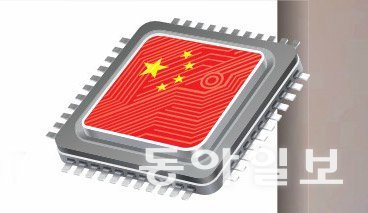
China's leading foundries, SMIC and Huahong Semiconductor, have reported record revenues for the second quarter, with year-on-year increases of 36% and 27% respectively, surpassing market expectations. This surge is attributed to over a decade of support from the Chinese government's "semiconductor rise" initiative and the acceleration of domestic production amid U.S. export controls.
The companies are channeling their increased profits into research and development and significant facility expansions. While Taiwan's TSMC dominates the global foundry market with over 70% share, Chinese firms are making inroads. SMIC and Huahong, ranked third and sixth globally, now hold a combined market share of approximately 7%, surpassing Samsung Electronics, which has seen its share fall to the mid-6% range this year.
These Chinese foundries are leveraging their significant price competitiveness to attract more overseas clients, aiming to increase their share beyond the current less than 10%. This aggressive strategy poses a challenge to South Korea's semiconductor industry, even with a technological gap in advanced processes. Experts warn that complacency is not an option.
South Korea's semiconductor sector is currently experiencing a boom, largely due to AI investments, but its heavy reliance on memory chips remains a vulnerability. To weather future downturns, the industry must strengthen both its non-memory and memory segments. This requires aggressive investment not only in expanding memory production but also in enhancing non-memory competitiveness. However, simply injecting funds is insufficient; the complex and time-consuming process of optimizing advanced equipment and production lines requires skilled engineers working around the clock. Korean companies face difficulties competing with overseas firms operating 24/7 due to regulations like the 52-hour workweek, highlighting the need to reform labor regulations that are out of step with global competition.
DistantNews Editorial
Originally published by Dong-A Ilbo in Korean. Translated, summarized, and contextualized by our editorial team with added local perspective. Read our editorial standards.
More Stories


From Our Blog

What Gets Lost (and Found) When News Is Translated

The Critical Role of Diaspora Media in Global News

What Travellers Should Know About Countries with Restricted Press

A Digital Nomad's Guide to Following Local News

How the Same Story Looks Different in Different Countries
