

China's low-cost model under fire after deadly factory blaze
Translated from English, summarized and contextualized by DistantNews.
At a glance
News
Sources not specified
Outcome reported
- A fire at a shoe factory in China killed at least 28 people, highlighting how financial pressures lead firms to compromise safety.
- The factory's blocked exits were flagged days before the fire, but production continued, indicating weak enforcement of labor laws.
- Local governments' reliance on manufacturing jobs and revenue discourages strict enforcement, perpetuating a cycle of safety risks.
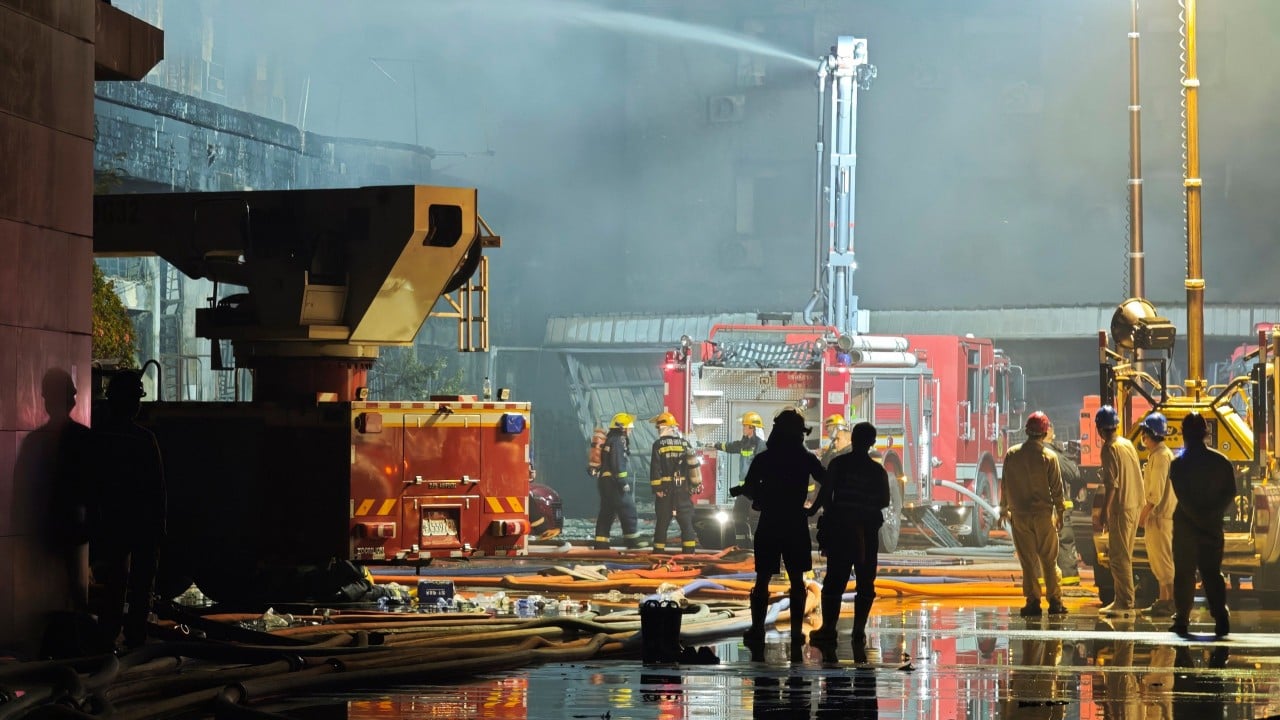
A devastating fire at a shoe factory in Jinjiang, Fujian province, claimed at least 28 lives on July 9, exposing a critical flaw in China's low-cost manufacturing model: the pervasive compromise of safety standards under financial pressure. The factory, which employed hundreds, had only a fraction of its workers enrolled in pension and medical insurance plans, according to 2025 company filings. Alarmingly, a fire-safety inspection just two days prior had identified blocked exits, yet production was not halted. This incident underscores a systemic issue where labor law enforcement, largely delegated to local governments, is hampered by their dependence on the very low-cost manufacturing that drives job creation, tax revenue, and economic growth. Strict enforcement of safety regulations carries significant fiscal and political costs for these local authorities. The low-cost business model is thus not merely a result of corporate negligence but is deeply embedded within the fiscal incentives offered at both local and central government levels. This entrenched structure actively discourages reform and perpetuates the conditions that stifle safety improvements, creating a cycle that is difficult to break. Despite previous reform efforts, such as the 2008 Labor Contract Law and tighter social insurance rules in 2025, local economic and fiscal pressures have largely neutralized their practical impact on enforcement. The incident serves as a stark reminder of the human cost when economic imperatives consistently override safety regulations.
The accident signals a larger problem: firms operating under financial pressure often cut costs by compromising safety.
DistantNews Editorial
Originally published by South China Morning Post in English. Translated, summarized, and contextualized by our editorial team with added local perspective. Read our editorial standards.
More Stories
From Our Blog

Countries Without a Free Press: What You Need to Know

What Press Freedom Means for the News You Read

What Gets Lost (and Found) When News Is Translated

The Critical Role of Diaspora Media in Global News

What Travellers Should Know About Countries with Restricted Press
