


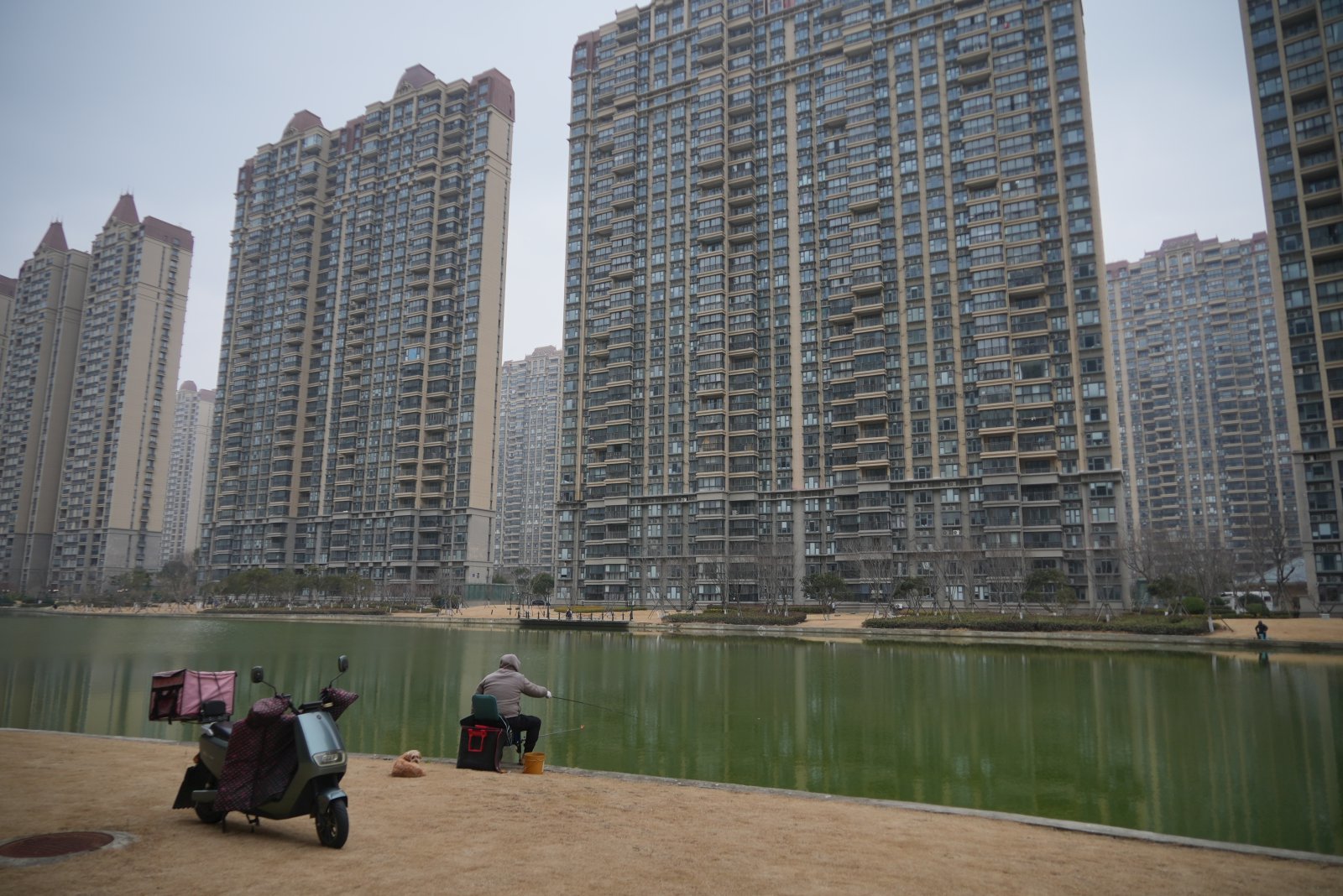
China's New Cities Become 'Ghost Towns' Amid Real Estate Slump, Attracting Young Residents
Translated from Korean, summarized and contextualized by DistantNews.
At a glance
News
Sources not specified
Context piece
- China's real estate market faces a prolonged downturn, leading to a surge in unsold and vacant properties.
- This has resulted in the emergence of 'ghost cities' where few people reside.
- Young people are increasingly moving to these cheaper, less populated new cities.
China's property market is grappling with a protracted slump, characterized by a significant increase in unsold homes and a growing number of vacant properties. This situation has led to the development of 'ghost cities' – newly built urban areas with extensive infrastructure but minimal populations.
The abundance of empty housing and commercial spaces has driven down prices, making these developments attractive to a segment of the population seeking more affordable living conditions. Consequently, young people, in particular, are being drawn to these underpopulated urban centers as an alternative to more expensive, established cities.
The trend of moving into these cheaper, sparsely populated new cities reflects the broader economic challenges within China's real estate sector. The long-term implications of these 'ghost cities' and the migration patterns they are influencing remain a subject of concern and observation.
DistantNews Editorial
Originally published by Dong-A Ilbo in Korean. Translated, summarized, and contextualized by our editorial team with added local perspective. Read our editorial standards.
More Stories

From Our Blog

What Gets Lost (and Found) When News Is Translated

The Critical Role of Diaspora Media in Global News

What Travellers Should Know About Countries with Restricted Press

A Digital Nomad's Guide to Following Local News

How the Same Story Looks Different in Different Countries
