


China's Next Frontier: Aiming for Leadership in Foundational Scientific Discovery
Translated from English and summarized by DistantNews. Read the original for the full story.
At a glance
Analysis
Named sources
New plan
- China aims to become a leader in foundational scientific discovery, not just manufacturing and commercialization.
- President Xi Jinping convened top scientific leadership to emphasize strengthening basic research and original innovation.
- This strategic shift signifies China's ambition to enhance national power, technological competitiveness, and long-term security.
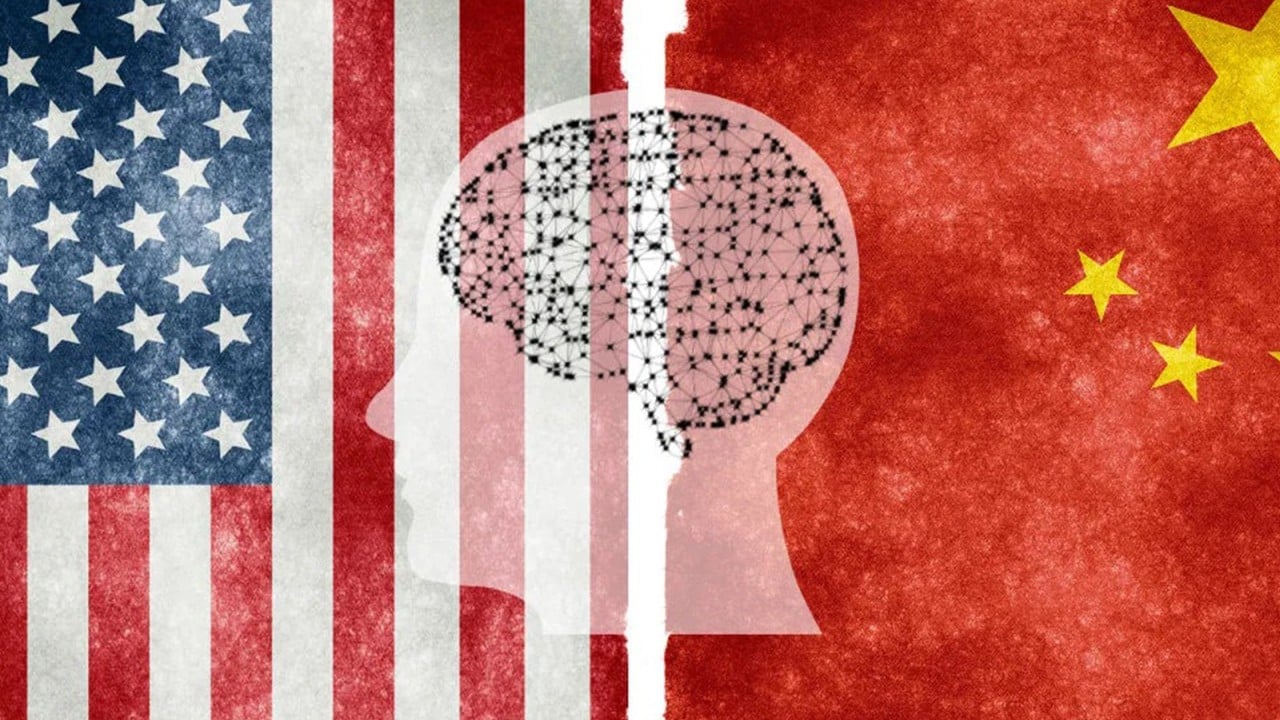
China is signaling a strategic pivot, aiming to transition from a global manufacturing powerhouse to a leader in frontier science and foundational discovery. This ambition was underscored by President Xi Jinping's recent symposium in Shanghai with top scientific leadership, focused on bolstering basic research.
While seemingly a routine policy meeting, the April 30 gathering represented a significant declaration of intent. China now seeks to compete not just in the production and deployment of existing technologies, but in the very genesis of scientific knowledge. This strategic emphasis on basic research and original innovation is seen as crucial for China's long-term economic and strategic security, as well as its technological competitiveness on the global stage.
The shift reflects a recognition of the limitations of China's previous development model. For decades, China excelled at absorbing, refining, and scaling up technologies, becoming a master of moving from "one to 100" in areas like high-speed rail, electric vehicles, and telecommunications. However, the nation now aspires to lead the "zero to one" innovation, a domain historically dominated by Western nations.
This ambition is supported by a growing emphasis on scientific self-reliance. Leading private-sector technologists and academics, including figures from AgiBot and Infinigence AI, have publicly voiced their commitment to Beijing's agenda. Their remarks highlight the integration of basic research into national strategy, aiming to build a truly generative and innovative ecosystem within China.
China could draw upon its massive population but the United States possessed a deeper structural advantage: the ability to attract and recombine global talent within an unusually open, diverse and creative ecosystem. America’s innovation system was not merely large. It was generative.
About this summary
Originally published by South China Morning Post in English. Translated, summarized, and contextualized automatically by DistantNews, with a note on how the source frames the story. Not individually reviewed before publishing. How this works.
More Stories



From Our Blog

Countries Without a Free Press: The 2026 List and What It Means for Readers

What Press Freedom Means for the News You Read

News in Translation: What Gets Lost, and How We Keep the Framing

Diaspora Media: How Communities Abroad Follow Home

Traveling Where the Press Is Not Free: How to Read the News There
