


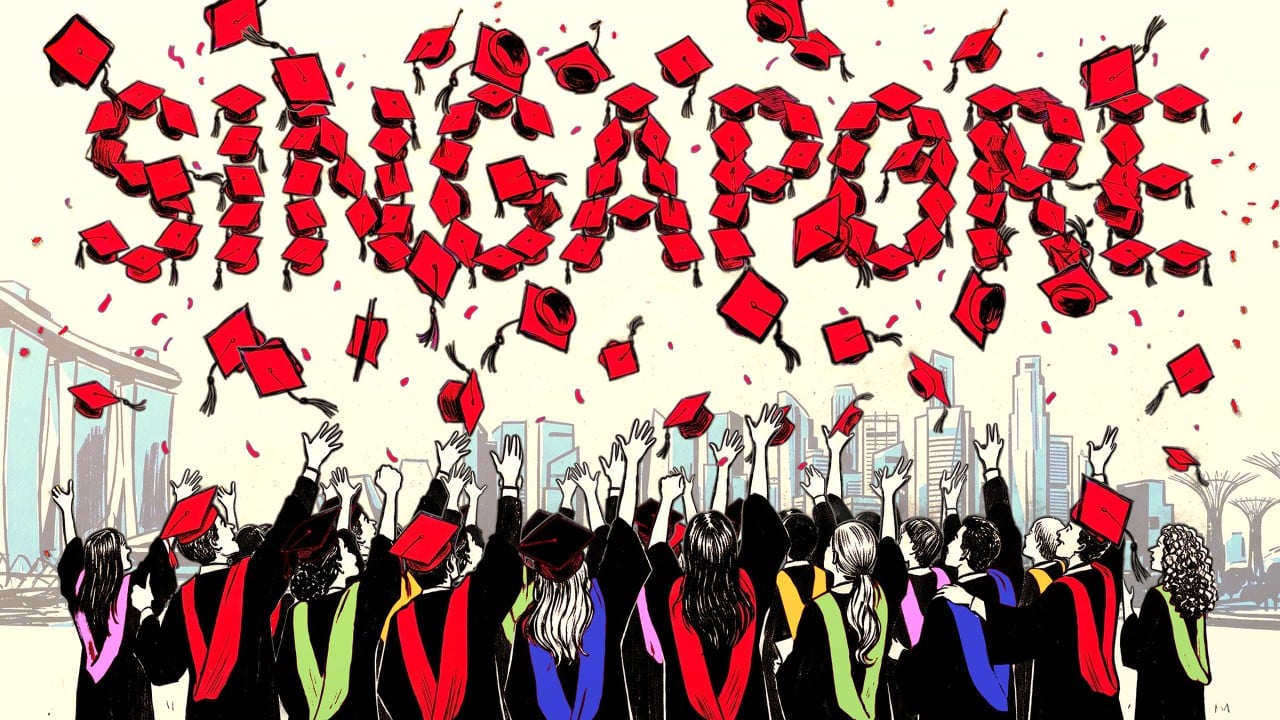
China’s STEM students turn to Singapore as Western study options shrink
Summarized and contextualized by DistantNews.
At a glance
In-depth
Sources not specified
Context piece
- China's top science and technology students are increasingly choosing Singapore for higher education as Western options become more restricted.
- Tensions in US-China tech competition and stricter immigration policies in Australia, Canada, the UK, and the US are reshaping global student mobility.
- Western nations are implementing tighter access controls, prompting a shift in study destinations for Chinese STEM talent.
Singapore is emerging as a prime destination for China's brightest science and technology students, as traditional pathways to Western universities narrow. The shift reflects escalating geopolitical tensions and evolving immigration landscapes.
For decades, Chinese students aspiring to study STEM fields often looked to universities in the United States, the United Kingdom, Canada, and Australia. However, heightened US-China tech competition and more stringent visa policies across these 'big four' destinations have disrupted this long-standing trend. These nations are now imposing stricter access controls, making it more challenging for Chinese students to pursue their academic goals abroad.
This changing environment is forcing a re-evaluation of international study plans. As Western countries tighten their borders and scrutinize academic and technological exchanges, alternative destinations like Singapore are gaining prominence. The city-state's growing reputation in research and innovation, coupled with potentially more accessible policies, makes it an attractive option for Chinese talent seeking world-class STEM education.
DistantNews Editorial
Originally published by South China Morning Post. Summarized and contextualized by our editorial team with added local perspective. Read our editorial standards.
More Stories


From Our Blog

Countries Without a Free Press: What You Need to Know

What Press Freedom Means for the News You Read

What Gets Lost (and Found) When News Is Translated

The Critical Role of Diaspora Media in Global News

What Travellers Should Know About Countries with Restricted Press
