


China's Used Car Surge Reshapes Ghana's Import Landscape Amidst Regulatory Shifts
Translated from English, summarized and contextualized by DistantNews.
At a glance
News
Sources not specified
Context piece
- Ghana's used car market is undergoing significant changes due to shifts in China's export patterns and evolving import regulations.
- Imported used vehicles remain crucial for Ghanaian households and businesses, providing essential mobility and income opportunities.
- Factors like vehicle age, duties, roadworthiness, and currency fluctuations heavily influence affordability and risk for buyers in Ghana's dynamic import market.
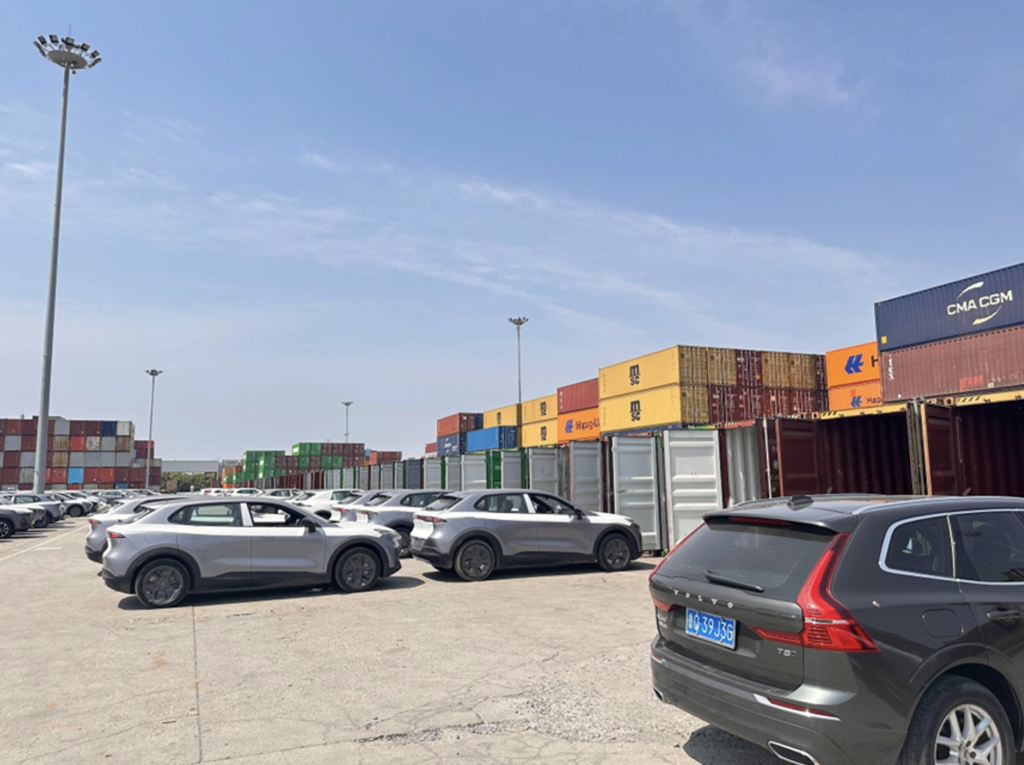
Ghana's used car market is at the nexus of a global shift in vehicle trade, with imported secondhand vehicles remaining the primary route to private and commercial mobility for many Ghanaians. However, this market is currently being reshaped by a confluence of factors, including changing supply dynamics in China, stricter import documentation, and Ghana's own regulations concerning vehicle age, duties, and roadworthiness.
Despite government efforts to promote local vehicle assembly, new cars remain largely inaccessible for many due to high prices, limited financing options, and substantial upfront payment requirements. Used imports bridge this gap, offering a more affordable entry point for households, taxi operators, ride-hailing drivers, and small businesses. Yet, the concept of affordability is relative, as the initial purchase price abroad is only the beginning.
Importers face a cascade of additional costs, including freight, insurance, customs valuation, duties, VAT, port handling, inspections, inland transport, repairs, registration, and currency exchange rate fluctuations. This means a vehicle that seems affordable initially can become significantly more expensive upon arrival in Ghana. Consequently, the trade is highly sensitive to policy shifts and currency movements; rising duties, altered valuation rules, or a weakening cedi can quickly impact importers and consumers alike.
Ghana's import regulations play a critical role in shaping the market. Beyond tax implications, these rules dictate the age, type, and condition of vehicles entering the country. Specific regulations on vehicle age, the requirement for left-hand drive (as Ghana drives on the right), customs valuation systems, and roadworthiness standards all influence the final market offerings. The customs valuation system, in particular, uses reference values to assess duties, which can mitigate under-declaration but also means a low purchase price abroad doesn't guarantee low assessed charges.
DistantNews Editorial
Originally published by Ghanaian Times in English. Translated, summarized, and contextualized by our editorial team with added local perspective. Read our editorial standards.
More Stories



From Our Blog

What Gets Lost (and Found) When News Is Translated

The Critical Role of Diaspora Media in Global News

What Travellers Should Know About Countries with Restricted Press

A Digital Nomad's Guide to Following Local News

How the Same Story Looks Different in Different Countries
