


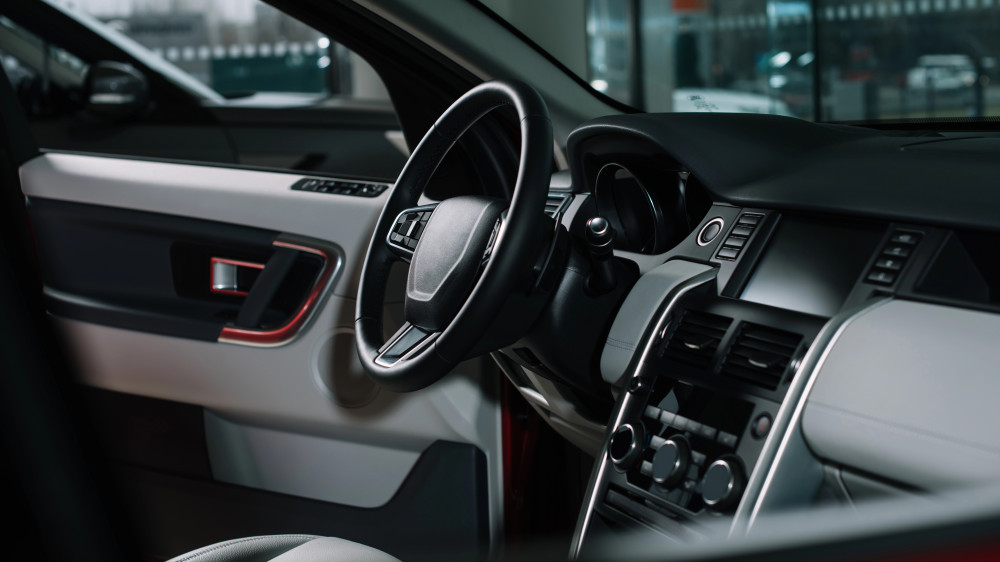
China wants to bring back buttons to cars - touchscreens may lose some functions
Summarized and contextualized by DistantNews.
At a glance
News
Official statement
New plan
- China is proposing new regulations that would require cars to have physical buttons for essential functions, moving away from solely relying on touchscreens.
- The draft standard mandates dedicated buttons for hazard lights, high beams, fog lights, wipers, and window heating, with specific requirements for size and tactile feedback.
- If approved, the standard will take effect in July 2027, with later deadlines for new and existing models, impacting both domestic and foreign automakers.
China is considering a significant shift in automotive interior design, proposing regulations that would bring back physical buttons and dials for critical vehicle functions. The move signals a potential rollback of the all-encompassing touchscreen interfaces that have become prevalent in modern cars.
The draft standard, developed by China's Ministry of Industry and Information Technology, stipulates that passenger and commercial vehicles must retain dedicated physical controls for essential systems. These include hazard lights, high beams, fog lights, windshield wipers and washers, and window heating and defrosting. The aim is to allow drivers to operate these controls by touch without diverting their attention from the road.
Beyond mandating the presence of buttons, the proposed rules specify requirements for their physical characteristics. Each button must have a minimum area of 10 by 10 millimeters, and the controls need to be distinguishable by texture or other tactile features. An exception is noted for automatic exterior lighting, where a virtual button on the home screen might be permissible if the lights activate automatically upon engine start.
If the standard is officially adopted, it is slated to take effect on July 1, 2027. New car models will need to comply 13 months after this date, while vehicles already in production will have a 19-month grace period. This initiative follows previous regulatory adjustments in China, including stricter rules for car seats and mandatory standards for mechanical door handles, underscoring a broader trend toward enhanced safety and usability in automotive manufacturing.
DistantNews Editorial
Originally published by Tengrinews. Summarized and contextualized by our editorial team with added local perspective. Read our editorial standards.
More Stories


From Our Blog

What Gets Lost (and Found) When News Is Translated

The Critical Role of Diaspora Media in Global News

What Travellers Should Know About Countries with Restricted Press

A Digital Nomad's Guide to Following Local News

How the Same Story Looks Different in Different Countries
