


China won't rule out Scarborough Shoal construction, says expert
Translated from English, summarized and contextualized by DistantNews.
At a glance
Interview
Named sources
Context piece
- China's National Institute for South China Sea Studies president Wu Shicun discussed Beijing's potential responses to rival claimants in the South China Sea.
- Wu criticized the Philippines' "assertive transparency" campaign, calling it a PR strategy to portray China as a bully.
- He suggested China may not rule out construction at Scarborough Shoal, a key point of contention.
Wu Shicun, founding president of China’s National Institute for South China Sea Studies, outlined Beijing's potential responses to rival claimants in the disputed waters, suggesting China will not rule out construction at Scarborough Shoal.
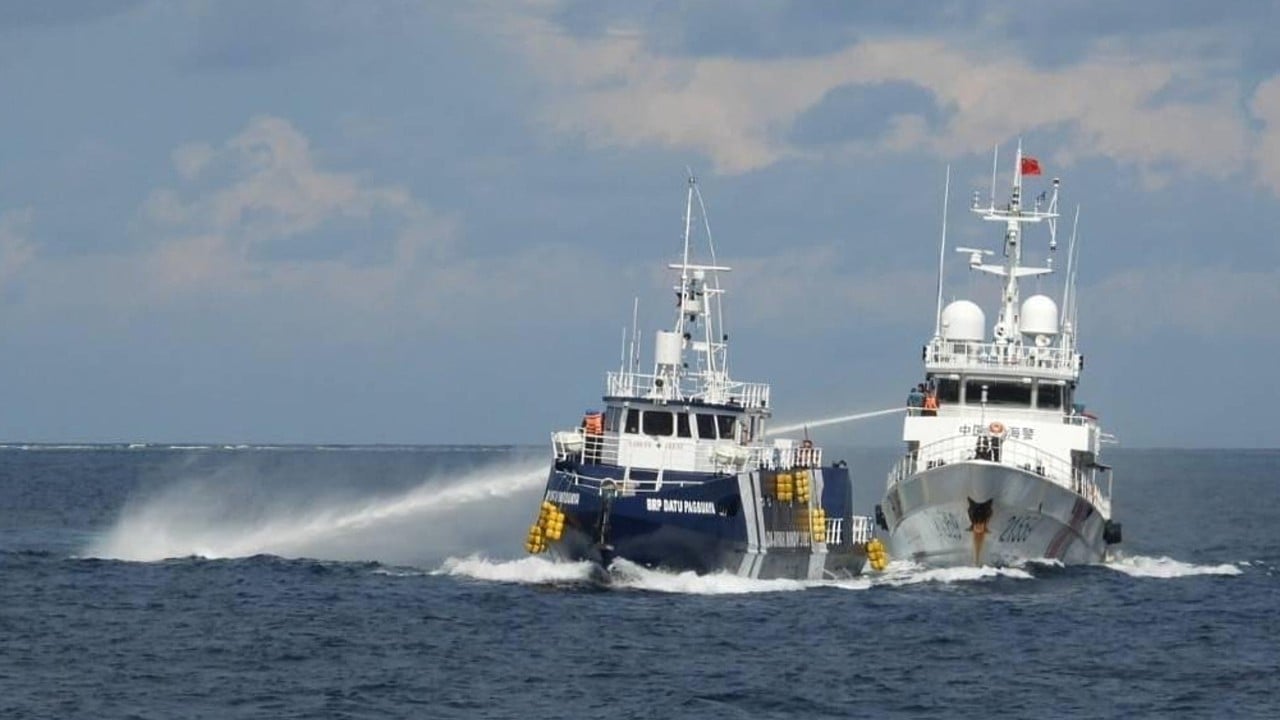
Manila’s so-called “assertive transparency” initiative operates on its own distinct logic and playbook. [The initiative includes documenting and publicising what Manila calls Chinese grey-zone tactics, such as blockades and the use of water cannons.]
In an interview, Wu criticized the Philippines' recent "assertive transparency" initiative, which involves documenting and publicizing alleged Chinese "grey-zone tactics" like blockades and water cannon use. He described this as a deliberate provocation, with Manila intentionally intruding into waters around Renai Jiao (Second Thomas Shoal) to elicit interceptions and water cannon deployments. On-board media then package these confrontations into viral videos, creating an international perception that "China is the bully in the South China Sea and the Philippines is the victim." Wu stated this is the core mechanism of their public relations strategy, driven by Philippine domestic political considerations to secure more budget and equipment support for its coastguard.
Since 2023, the Philippines has deliberately intruded into the waters around Renai Jiao [the Chinese name for the disputed Second Thomas Shoal], deliberately provoking China into intercepting its vessels or deploying water cannons.
Wu's comments indicate a hardening stance from China regarding its territorial claims and its willingness to counter what it perceives as provocations. The potential for construction at Scarborough Shoal, a strategically important feature, signals a possible escalation in Beijing's assertiveness in the region. This comes amidst intensifying efforts by Manila to highlight China's actions in the South China Sea, a move that Beijing views as a calculated PR campaign rather than a genuine transparency effort.
On-board media outlets then package these confrontation scenes into short, viral videos and disseminate them globally. These clips manufacture an international perception that “China is the bully in the South China Sea and the Philippines is the victim”. This is the core mechanism behind their public relations strategy.
DistantNews Editorial
Originally published by South China Morning Post in English. Translated, summarized, and contextualized by our editorial team with added local perspective. Read our editorial standards.
More Stories

From Our Blog

Countries Without a Free Press: What You Need to Know

What Press Freedom Means for the News You Read

What Gets Lost (and Found) When News Is Translated

The Critical Role of Diaspora Media in Global News

What Travellers Should Know About Countries with Restricted Press
