

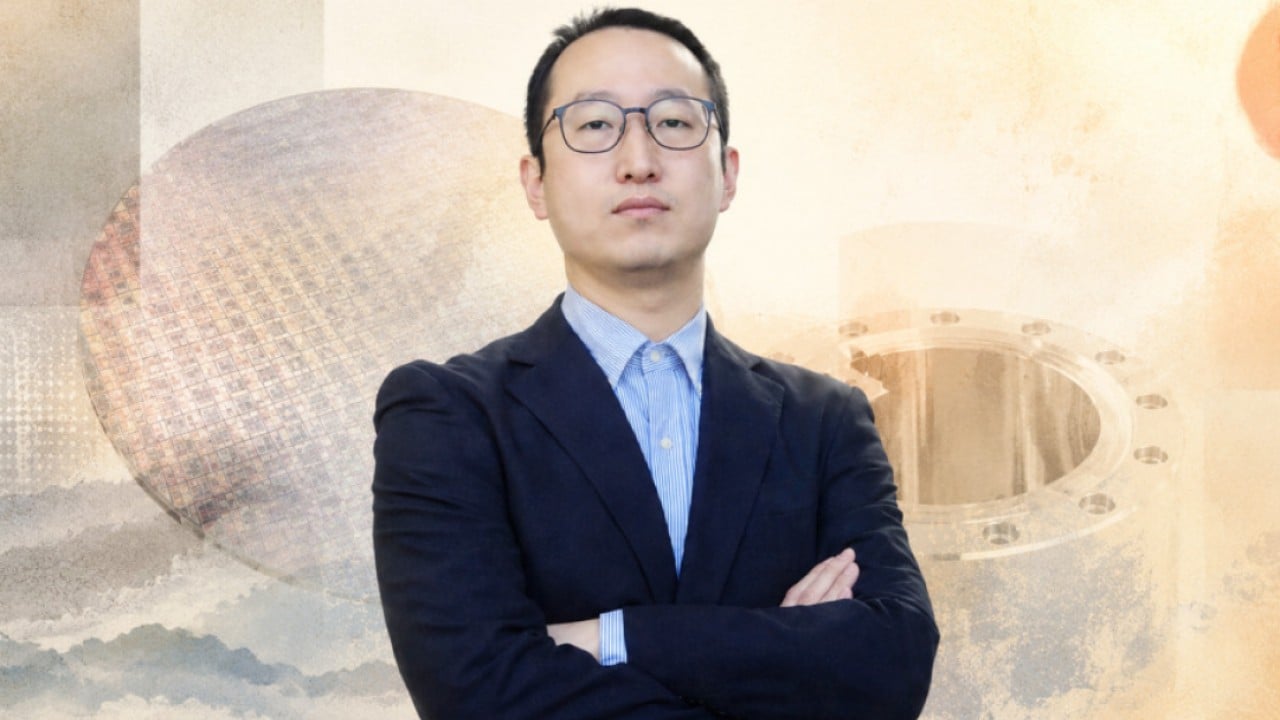

Chinese AI lets everyday users command quantum computing with natural language
Summarized and contextualized by DistantNews.
At a glance
News
Named sources
New plan
- Youshu Quantum Technology has launched UnitaryLab 2.0, a quantum computing platform that allows users to interact with systems using natural language.
- The platform eliminates the need for users to understand quantum circuits or write code, as AI agents handle algorithm selection, execution, and visualization.
- CEO Zhang Lei stated the company aims to make quantum scientific computing accessible to everyone, moving it beyond the domain of tech elites.
Quantum computing, once an esoteric field confined to specialized academic papers and complex laboratory setups, is becoming more accessible thanks to a Chinese startup. Youshu Quantum Technology, based in Shanghai, has unveiled its UnitaryLab 2.0, a platform designed to democratize access to quantum computing power.
Launched on May 15, UnitaryLab 2.0 is described as the world's first agent-driven quantum computing platform. Its core innovation lies in allowing users to command quantum computing systems using natural language alone. This breakthrough removes the steep learning curve previously associated with quantum computing, such as understanding intricate quantum circuits, configuring development environments, or writing specialized code.
Instead of technical expertise, users can now simply describe their mathematical or engineering problems in plain language. The platform's AI agents then automatically manage the entire process, from selecting the appropriate algorithms and scheduling resources to executing the quantum computations and visualizing the results. This streamlines the interaction and makes complex computations feasible for a broader audience.
Youshu Quantum CEO Zhang Lei emphasized the company's mission to transform quantum scientific computing. "We are driving quantum scientific computing from being the exclusive domain of tech elites to becoming an accessible and universal technology for everyone," he told the Shanghai Observer. This initiative marks a significant step towards making the power of quantum computing available to everyday users and researchers across various disciplines.
We are driving quantum scientific computing from being the exclusive domain of tech elites to becoming an accessible and universal technology for everyone.
DistantNews Editorial
Originally published by South China Morning Post. Summarized and contextualized by our editorial team with added local perspective. Read our editorial standards.
More Stories


From Our Blog

Countries Without a Free Press: What You Need to Know

What Press Freedom Means for the News You Read

What Gets Lost (and Found) When News Is Translated

The Critical Role of Diaspora Media in Global News

What Travellers Should Know About Countries with Restricted Press
