


Chinese nationals charged with illegally exporting over 500 U.S. turtles, disguised as stones
Translated from Korean, summarized and contextualized by DistantNews.
At a glance
News
Official statement
In the courts
- Two Chinese nationals have been charged with illegally exporting over 500 native U.S. turtles to Hong Kong.
- The defendants allegedly misrepresented packages containing the turtles as "modified stones" or "stones" to evade detection.
- They face serious charges under the Lacey Act, which prohibits wildlife trafficking, and could receive significant prison sentences and fines.
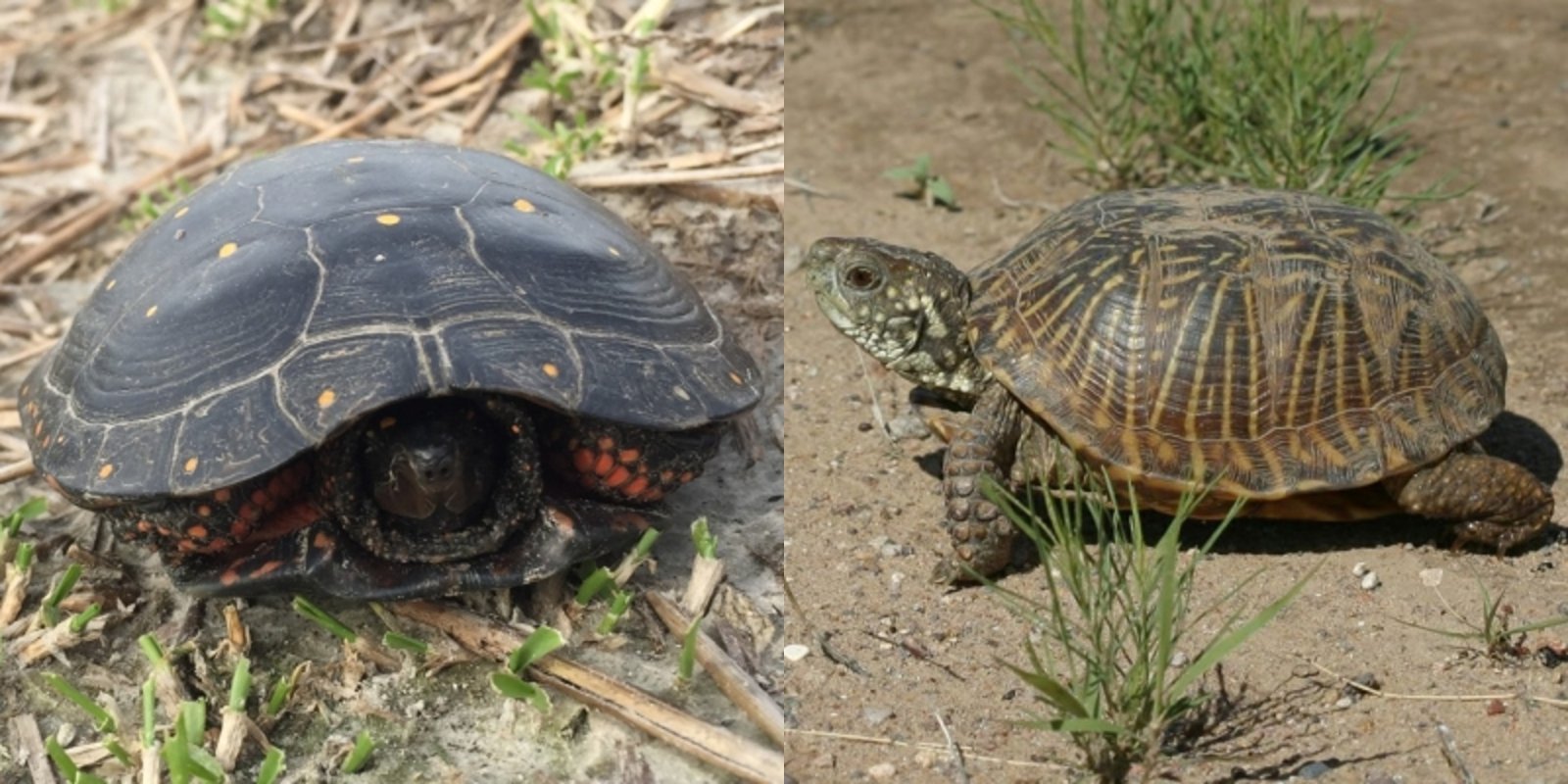
A scheme to illegally export hundreds of native U.S. turtles to Hong Kong has led to federal charges against two Chinese nationals residing in New York. The U.S. Justice Department has accused Huaijin Kong and Mariyuaon Ma of smuggling more than 500 turtles, including species like the Eastern box turtle, Western box turtle, and Three-toed box turtle, without the necessary permits or declarations.
Kong shipped approximately 99 packages containing 578 turtles.
According to court documents, Kong allegedly shipped approximately 99 packages containing 578 turtles between June 2024 and November of the previous year. To conceal the illicit cargo, the packages were falsely labeled as "modified stones" or simply "stones." Ma is accused of participating in the illegal export of turtles from May 2021 to May 2023.
While these turtles are not classified as endangered, they are protected under the Convention on International Trade in Endangered Species of Wild Fauna and Flora (CITES), an agreement joined by 185 countries, including the U.S. and China. CITES regulates the trade of species that are endangered or could become so if their international trade continues unchecked.
The contents of the packages were falsely declared as modified stones or stones.
The defendants face charges for violating the Lacey Act, a cornerstone U.S. law against wildlife trafficking that specifically prohibits misrepresenting contents on packages transported across state or international lines. Convictions could result in up to five years in prison and a fine of $250,000 per defendant, or double the amount of any economic gain derived from the crime or losses incurred.
These turtles are highly valued in the international pet market, especially in China.
DistantNews Editorial
Originally published by Dong-A Ilbo in Korean. Translated, summarized, and contextualized by our editorial team with added local perspective. Read our editorial standards.
More Stories



From Our Blog

What Gets Lost (and Found) When News Is Translated

The Critical Role of Diaspora Media in Global News

What Travellers Should Know About Countries with Restricted Press

A Digital Nomad's Guide to Following Local News

How the Same Story Looks Different in Different Countries
