


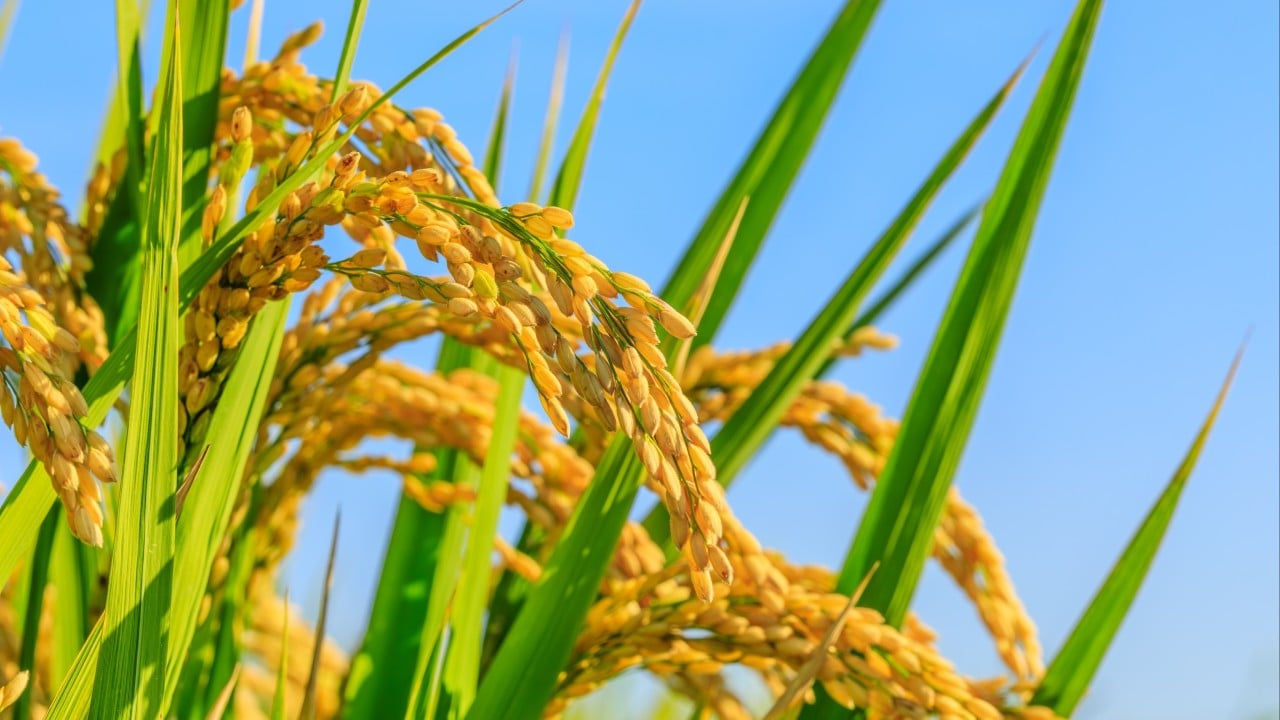
Chinese researchers may have found a way to cross Asian and African rice
Translated from English and summarized by DistantNews. Read the original for the full story.
At a glance
News
Named sources
Context piece
- Researchers at Nanjing Agricultural University identified three genes that create a reproductive barrier between cultivated Asian and African rice.
- The finding could help breeders overcome sterile pollen and low yields in crossbred plants and develop hybrids with potentially higher yields.
- The study, led by Wan Jianmin, appeared in Science on Aug. 28, and an author told China Science Daily such hybrids could raise yields by more than 10 percent over existing Asian hybrid varieties.
Asian and African rice have different strengths, but attempts to cross them often produce sterile pollen and poor yields. Chinese researchers say they have now identified three genes responsible for blocking reproduction between the two cultivated species, along with a possible way around the barrier.
The study was led by Wan Jianmin at the State Key Laboratory for Crop Genetics and Germplasm Enhancement and Utilisation at Nanjing Agricultural University. It was published in the peer-reviewed journal Science on Aug. 28.
Could potentially increase yields by more than 10 per cent compared with existing Asian hybrid rice varieties.
The work could give breeders a route toward new Asian-African hybrids. The official China Science Daily quoted one of the study’s authors as saying the crosses “could potentially increase yields by more than 10 per cent compared with existing Asian hybrid rice varieties.”
The researchers described the discovery as a theoretical foundation and a source of genetic material for breaking the reproductive barrier. Asian rice already provides high yields and good eating quality, while both Asian and African cultivated rice are among the only two domesticated food-producing species in the 24-species Oryza genus. The proposed hybrids would draw on the distinct strengths of both varieties.
This discovery provides an important theoretical foundation and valuable genetic resources for breaking the reproductive barrier between rice species and breeding new, ultra-high-yielding hybrid rice varieties.
About this summary
Originally published by South China Morning Post in English. Translated, summarized, and contextualized automatically by DistantNews, with a note on how the source frames the story. Not individually reviewed before publishing. How this works.
More Stories



From Our Blog

Countries Without a Free Press: What You Need to Know

What Press Freedom Means for the News You Read

What Gets Lost (and Found) When News Is Translated

The Critical Role of Diaspora Media in Global News

What Travellers Should Know About Countries with Restricted Press
