


Chinese Robot Helps Children With Nerve Disorder Stand for First Time
Translated from English, summarized and contextualized by DistantNews.
At a glance
In-depth
Sources not specified
Context piece
- A robot developed in China is helping children with spinal muscular atrophy (SMA) gain the ability to stand.
- The lightweight robot assists by resisting leg movements, forcing muscles and nerves to work together.
- After several weeks of use, six children aged six to 10 in a study were able to stand from a chair for the first time.
A groundbreaking robotic device is offering new hope to children living with spinal muscular atrophy (SMA), a genetic disorder that progressively deteriorates the nerves connecting the brain and muscles. For some individuals with SMA, the condition makes it impossible to stand independently, often leading to confinement in wheelchairs or even bedridden states, and can severely impact breathing and eating.
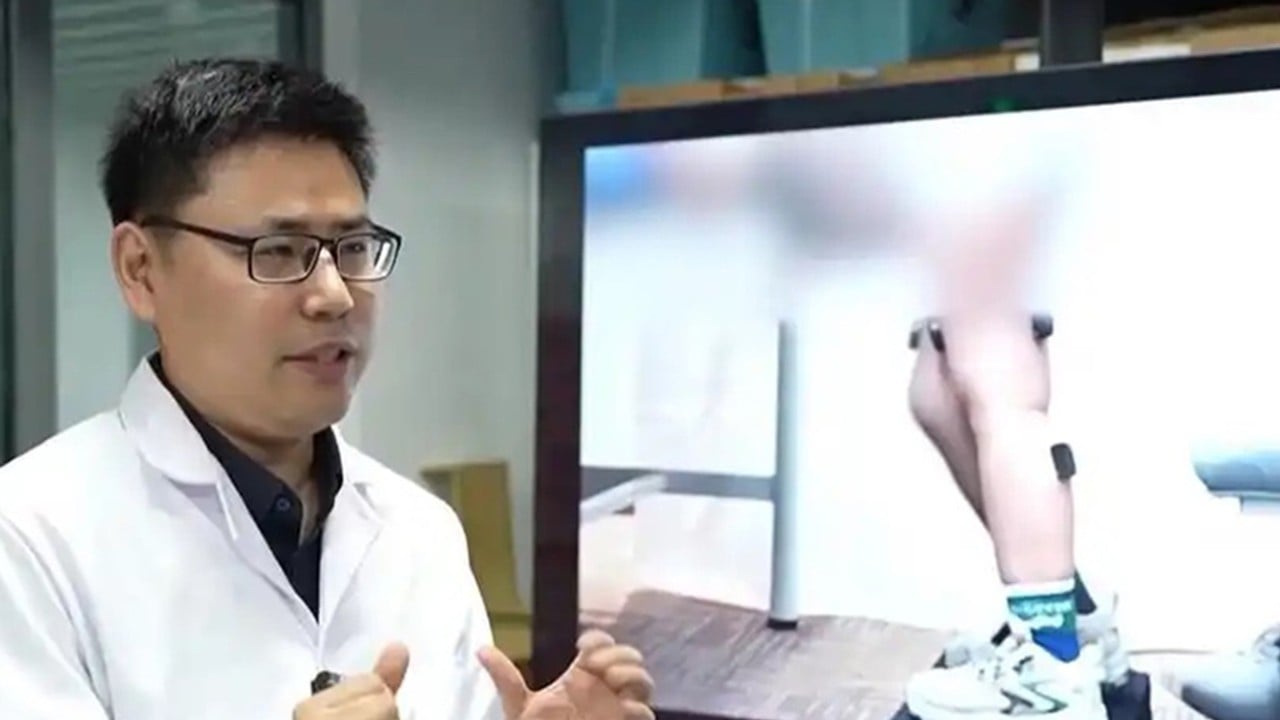
A recent study in China involved six children, aged six to 10, who participated in a trial using a novel robotic system. The device, weighing less than 1 kilogram (approximately 2 pounds), is attached to the children's knees. Crucially, the robot does not move the children; instead, it provides resistance. When a child attempts to kick, the robot slightly increases the difficulty, compelling their muscles and nerves to coordinate and strengthen.
This unique approach, which focuses on active resistance rather than passive assistance, has shown remarkable results. After just a few weeks of engaging with a specially designed video game that incorporates the robot's resistance, all six participating children achieved a significant milestone: they were able to stand up from a chair for the first time in their lives.
The therapy aims to build muscle mass and strength by challenging the affected neuromuscular system. By forcing the body to work harder against the robot's resistance, the children's muscles and nerves are stimulated to rebuild their capacity for movement and support. This development represents a significant step forward in assistive technology for individuals with severe mobility impairments.
DistantNews Editorial
Originally published by South China Morning Post in English. Translated, summarized, and contextualized by our editorial team with added local perspective. Read our editorial standards.
More Stories


From Our Blog

Countries Without a Free Press: What You Need to Know

What Press Freedom Means for the News You Read

What Gets Lost (and Found) When News Is Translated

The Critical Role of Diaspora Media in Global News

What Travellers Should Know About Countries with Restricted Press
