



CHP Criticizes Turkey's "12th Judicial Package," Citing "Dual Legal System"
Translated from Turkish, summarized and contextualized by DistantNews.
At a glance
News
Named sources
Approved/passed
- Turkey's parliament approved a "12th Judicial Package" aimed at improving judicial efficiency.
- A CHP lawmaker criticized the package, alleging a "dual legal system" and accusing the ruling party of using the judiciary as a tool against the opposition.
- The criticism focused on alleged selective enforcement of laws, particularly concerning investigations into AKP-affiliated municipalities versus opposition figures.
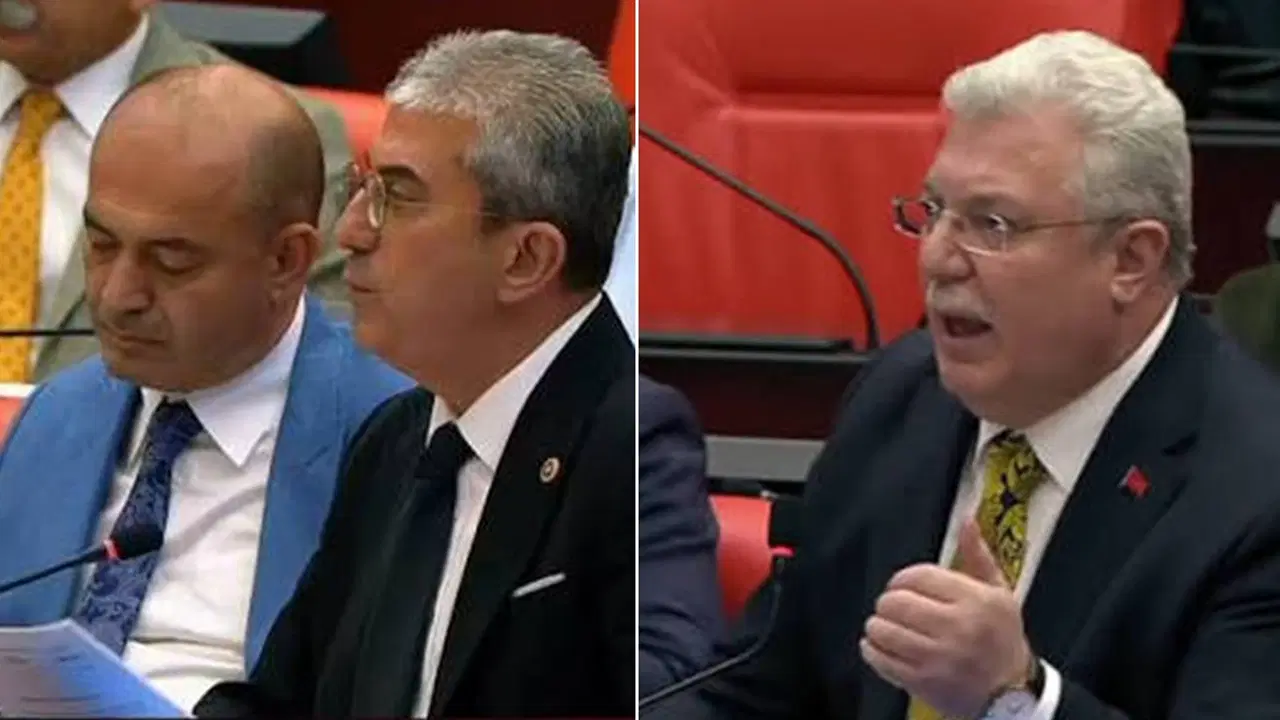
Turkey's Grand National Assembly has approved a legislative package, dubbed the "12th Judicial Package," intended to enhance the effectiveness and efficiency of the judiciary. The bill passed during a General Assembly session presided over by Deputy Speaker Pervin Buldan.
However, the legislation immediately drew sharp criticism from Süleyman Bülbül, a Member of Parliament for the Republican People's Party (CHP). Speaking on behalf of the CHP group, Bülbül argued that the package establishes a "dual legal system." He accused the ruling party of employing the judiciary as an instrument to suppress the opposition and hinder the CHP's path to power, asserting that the leadership of CHP Chairman Özgür Özel is being targeted.
Bülbül specifically pointed to what he described as unequal application of legal procedures. He questioned why swift, dawn raids and searches without lawyers present, along with the seizure of digital materials, were allegedly conducted against AKP-affiliated municipalities, while similar actions were not taken against opposition figures. He cited the case of Istanbul Mayor Ekrem İmamoğlu, who was reportedly granted only six hours to present his defense along with his lawyers in a high-profile case.
The CHP lawmaker also criticized investigations targeting bar associations, including the prosecution of Istanbul Bar Association officials. Bülbül contended that these actions undermine the right to defense. His remarks encapsulated the opposition's view with the statement, "If you are with us, you are outside; if you are not with us, you are inside."
DistantNews Editorial
Originally published by Cumhuriyet in Turkish. Translated, summarized, and contextualized by our editorial team with added local perspective. Read our editorial standards.
More Stories

From Our Blog

What Gets Lost (and Found) When News Is Translated

The Critical Role of Diaspora Media in Global News

What Travellers Should Know About Countries with Restricted Press

A Digital Nomad's Guide to Following Local News

How the Same Story Looks Different in Different Countries
