


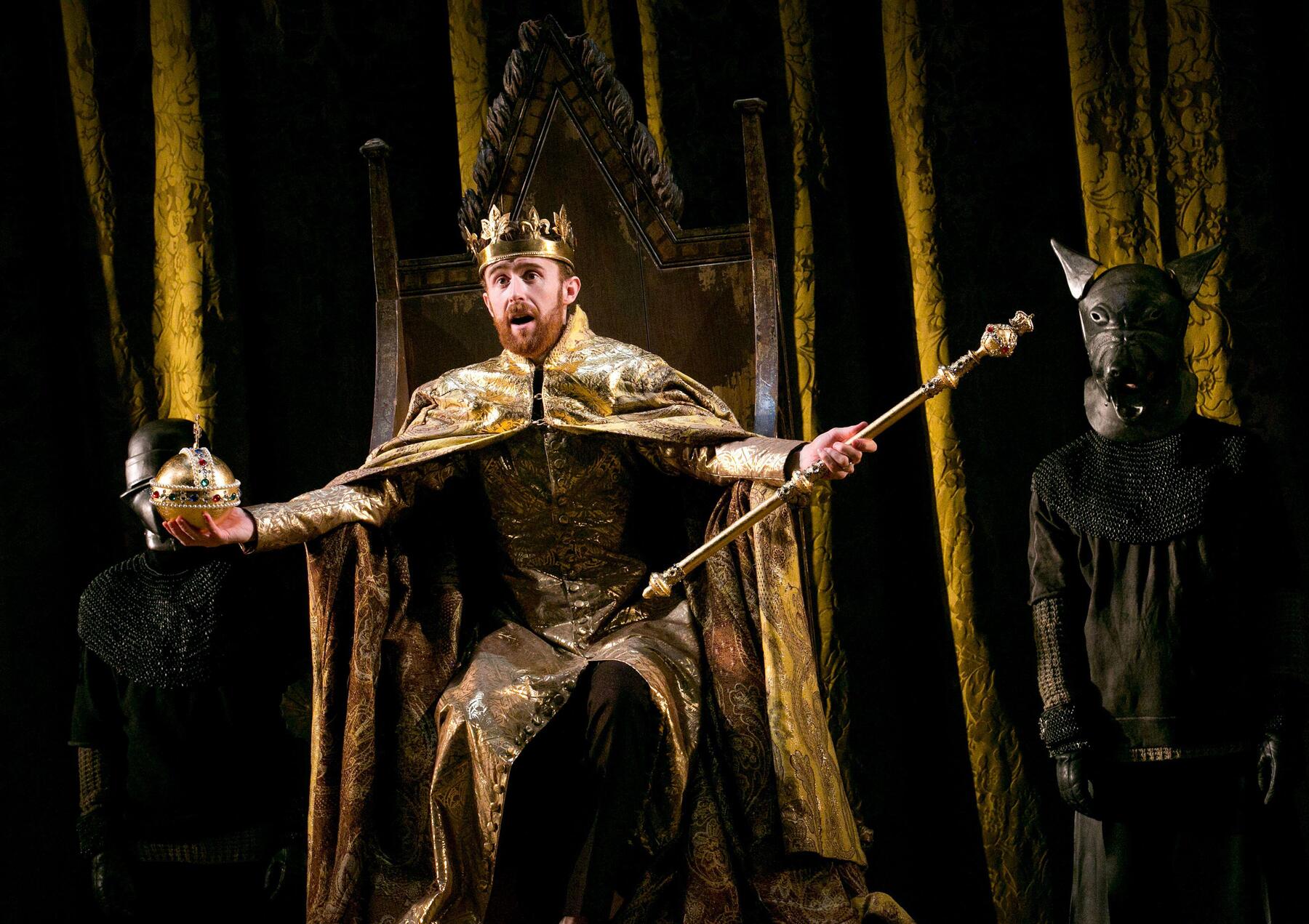
Christopher Marlowe: A Life on the Brink
Translated from German, summarized and contextualized by DistantNews.
At a glance
Analysis
Sources not specified
Context piece
- A new book by Harvard professor Stephen Greenblatt explores the paranoia of the Elizabethan era, marked by religious conflicts and political intrigue.
- The book highlights parallels between the era's climate of suspicion and contemporary issues, referencing a historical "libelous poem" targeting refugees.
- Greenblatt's work examines the relationship between Christopher Marlowe and William Shakespeare, touching on theories that Marlowe's early death benefited Shakespeare's career.
Harvard professor Stephen Greenblatt's latest book delves into the unsettling and frightening aspects of the Elizabethan era, a time defined by persistent religious conflicts and pervasive political paranoia. The period, following Henry VIII's break with Rome, saw lives and fates entangled in "murderous turmoil," with every regime change accompanied by waves of conspiracy, suspicion, arrests, and executions. Freedom of thought, speech, and religion were nonexistent.
Greenblatt draws striking parallels between the Elizabethan age and contemporary times, particularly in the context of societal anxieties and political discourse. He references a "libelous poem" nailed to the wall of the Dutch Church in London in May 1593. This poem, originating from Protestant refugees fleeing brutal religious wars on the continent, expressed anger over rising rents, market displacement by foreign goods, and the burden of fighting wars abroad, culminating in violent threats. The poem's sentiments resonate with modern-day tensions and xenophobia.
In their murderous turmoil, they encompassed the lives and fates of practically all people in the kingdom.
The era was also characterized by constant fear of a relapse into Catholicism or a descent into Puritanism. Queen Elizabeth I's advisors were vigilant against Catholic plots aiming to bring England back under papal authority. This climate of suspicion and fear permeated society, influencing political decisions and personal lives.
Beyond the historical context, Greenblatt's book also revisits the complex relationship between playwrights Christopher Marlowe and William Shakespeare. The film "Shakespeare in Love" famously played with the idea that Marlowe's early death paved the way for Shakespeare's ascendancy. Greenblatt, a renowned Shakespearean scholar, explores these connections, offering insights into the literary landscape of the time and the potential influences between these two prominent figures.
You have driven up our rents. Your cheap, flashy goods are displacing ours from the market. You live here much better than where you came from. Our soldiers are sent abroad to fight your wars. You will let us all starve and die. … We will cut your throats while you pray in your temples.
DistantNews Editorial
Originally published by Die Presse in German. Translated, summarized, and contextualized by our editorial team with added local perspective. Read our editorial standards.
More Stories



From Our Blog

What Gets Lost (and Found) When News Is Translated

The Critical Role of Diaspora Media in Global News

What Travellers Should Know About Countries with Restricted Press

A Digital Nomad's Guide to Following Local News

How the Same Story Looks Different in Different Countries
