

Churchill's Pirates: Swift, Brutal, and Untraceable
Translated from Polish, summarized and contextualized by DistantNews.
At a glance
News
Sources not specified
Context piece
- In January 1942, British intelligence planned Operation "Postmaster" to seize Axis ships docked in neutral Spain's West African port.
- Spain, under Franco, was officially neutral but unofficially aided German U-boats.
- Direct military action was impossible, risking international scandal and Spain's entry into the war on Hitler's side.
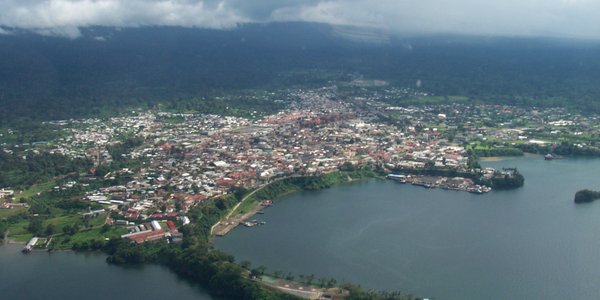
In the quiet of a tropical night in January 1942, the port of Santa Isabel on Spain's Fernando Po island (now Bioko) in the Gulf of Guinea was a focal point for British intelligence. Italian and German ships lay at anchor, their presence a constant concern for the British. Spain, under General Franco, maintained official neutrality, but this stance was porous, especially concerning the Atlantic war.
German U-boats hunting Allied convoys found discreet support in Spanish and French ports. London was well aware of this clandestine assistance. However, Winston Churchill faced a significant dilemma: a direct naval assault on the Axis ships was politically impossible. Such an overt act would have triggered an international scandal and risked drawing neutral Spain into the war on Hitler's side.
This delicate geopolitical situation necessitated a covert operation. Operation "Postmaster" was conceived to neutralize the threat posed by these ships without violating Spanish neutrality. The success of this operation would later elevate its participants to legendary status within British special forces, though not all would survive the war's duration.
Problem polegał na tym, że Winston Churchill nie mógł po prostu wysłać tam okrętów wojennych. Otwarte uderzenie oznaczałoby międzynarodowy skandal i ryzyko wciągnięcia Hiszpanii do wojny po stronie Hitlera.
DistantNews Editorial
Originally published by Rzeczpospolita in Polish. Translated, summarized, and contextualized by our editorial team with added local perspective. Read our editorial standards.
More Stories


From Our Blog

What Gets Lost (and Found) When News Is Translated

The Critical Role of Diaspora Media in Global News

What Travellers Should Know About Countries with Restricted Press

A Digital Nomad's Guide to Following Local News

How the Same Story Looks Different in Different Countries
