

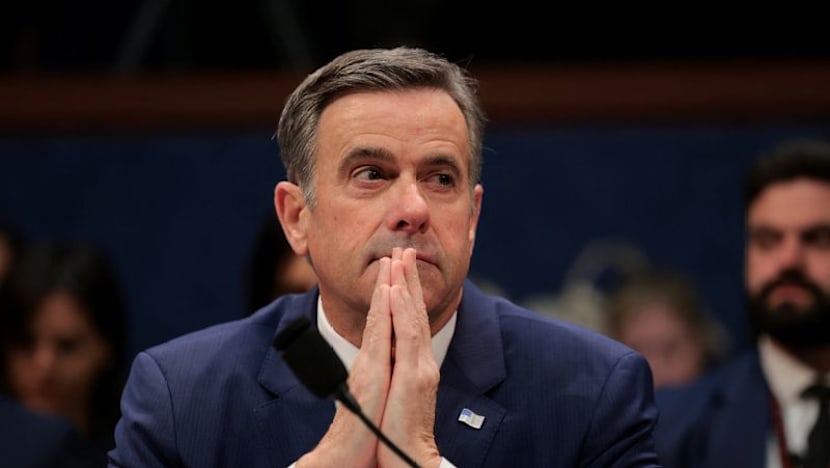
CIA chief warned Russia against attacking NATO members: US media
Translated from English and summarized by DistantNews. Read the original for the full story.
At a glance
News
From a news agency
Context piece
- CIA Director John Ratcliffe visited Moscow to warn Russia against attacking NATO member states, citing US intelligence assessments.
- The visit aimed to dissuade Russia from potentially testing the North Atlantic Treaty Organization with limited assaults.
- While President Trump described the visit as "semi-routine" and related to the Ukraine war, US media reported it was a high-level warning about NATO security.
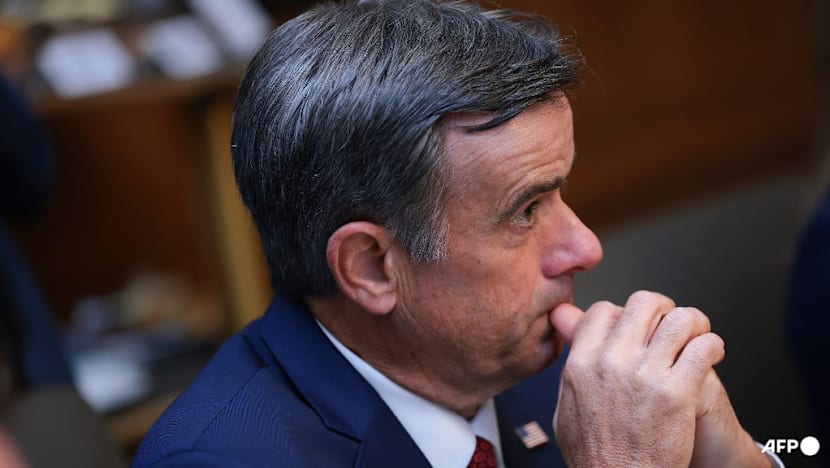
CIA Director John Ratcliffe made a rare visit to Moscow this week, reportedly to deliver a stark warning to Russia against any aggression towards NATO member states. US media outlets, including The Wall Street Journal and CBS News, cited intelligence assessments indicating that Moscow might be considering testing the alliance's resolve.
The visit, described by President Donald Trump as "semi-routine" and primarily focused on the war in Ukraine, is seen by US media as a significant diplomatic move. Ratcliffe is among the highest-ranking US officials to visit Russia since the conflict in Ukraine began in 2022. The timing of his trip coincides with an escalation of Moscow's offensive in Ukraine and stalled US-brokered peace talks.
He's there, very sort of semi-routine. I hate to disappoint people. We would like to see the war with Ukraine end.
According to The Wall Street Journal, US intelligence suggests Russia could potentially launch a "limited assault" against a NATO member in the coming years. This assessment prompted the CIA's direct warning. While the White House did not officially comment on the specifics of the visit, Trump suggested the intelligence chief was in the Russian capital to discuss ending the war in Ukraine.
During his Moscow trip, Ratcliffe also reportedly engaged in discussions concerning Iran, warning of further sanctions if the Strait of Hormuz shipping lanes were not reopened. The Kremlin confirmed that Ratcliffe had "contacts" with Russian special services but did not meet President Vladimir Putin. Kremlin spokesman Dmitry Peskov characterized the intelligence service contacts as a "positive development" but deemed it too early to assess their impact on resolving the crisis in relations between the two countries.
Contacts through the intelligence services are a positive development in and of themselves. It is too early to say how this will affect the process of resolving the crisis in our relations.
About this summary
Originally published by CNA in English. Translated, summarized, and contextualized automatically by DistantNews, with a note on how the source frames the story. Not individually reviewed before publishing. How this works.
More Stories


From Our Blog

What Gets Lost (and Found) When News Is Translated

The Critical Role of Diaspora Media in Global News

What Travellers Should Know About Countries with Restricted Press

A Digital Nomad's Guide to Following Local News

How the Same Story Looks Different in Different Countries
