

Civilians and infrastructure targeted in Middle East hostilities: UN
Translated from English, summarized and contextualized by DistantNews.
At a glance
News
Sources not specified
Context piece
- Resurgent hostilities across the Middle East are causing civilian casualties and damaging infrastructure, according to UN humanitarians.
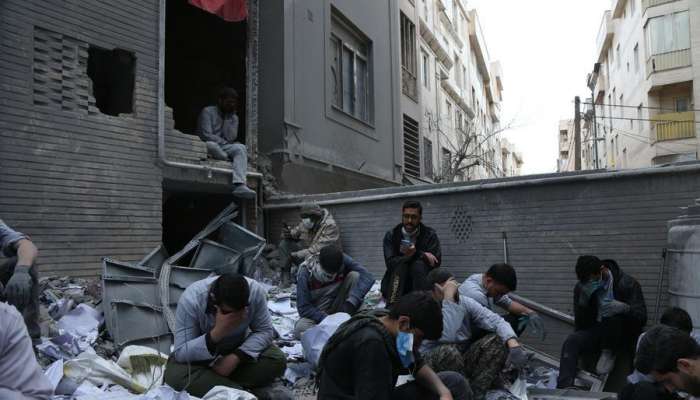
- Attacks in Iran reportedly hit a desalination plant and a children's cancer hospital, while Kuwait reported targeting of electricity and water infrastructure.
- Violence in Gaza and Lebanon continues to endanger civilians, disrupt education, and hinder the safe return of displaced families.
A resurgence of hostilities across the Middle East is increasingly resulting in civilian casualties and damage to infrastructure, UN humanitarians reported Tuesday. The ongoing violence, particularly in Gaza and Lebanon, is compounding existing humanitarian crises.
A resurgence of hostilities spreading across the Middle East coupled with continuing violence in Gaza and Lebanon is increasingly claiming civilian casualties and infrastructure damage.
In Iran, local sources indicated attacks on at least six provinces, leading to dozens of deaths and hundreds of injuries. A desalination facility in Hormozgan province was struck, cutting off drinking water for approximately 10,000 people across 20 villages. Additionally, a drinking water production facility in Dehloran, Ilan province, was reportedly impacted, and secondary damage occurred to a children's cancer hospital in Ahvaz, Khuzestan province, due to airstrikes, according to the UN Office for the Coordination of Humanitarian Affairs (OCHA).
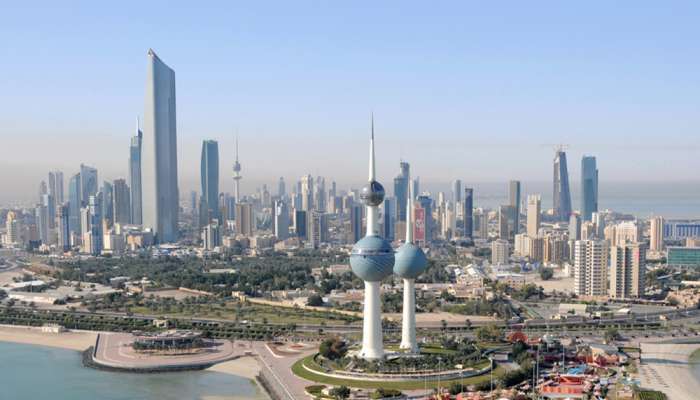
Kuwait authorities reported a series of attacks targeting electricity and water infrastructure over the past four days, OCHA noted. Meanwhile, in Gaza, shelling, gunfire, bombing, and airstrikes continue to pose severe risks to civilians. OCHA reported that seven people were killed and others injured in an Israeli drone strike outside a grocery store near the Nuseirat refugee camp on Friday, coinciding with mourners leaving a funeral prayer.
On Sunday, a desalination facility in Hormozgan province was hit, cutting off drinking water supplies to 20 villages and affecting around 10,000 people.
OCHA also reported that a teacher was struck by Israeli gunfire on Wednesday while working in a temporary learning space west of Khan Younis. Since the beginning of the year, 26 education-related incidents, including shootings and airstrikes affecting schools, students, and staff, have been reported. Despite insecurity and operational challenges, partners are working to restore access to education.
Local sources also reported attacks late last week impacting a drinking water production facility in Dehloran in Ilan province, while secondary damage due to airstrikes has been reported to a children's cancer hospital in Ahvaz in Khuzestan province.
In Lebanon, continued violence is preventing the safe return of displaced families. More than 400,000 people remain displaced, with around 30,000 living in collective shelters. Humanitarian partners report significant needs among these families, including worsening shelter conditions, reduced access to water and hygiene services, and limited income opportunities. OCHA stressed the need for sustained humanitarian assistance and the creation of conditions for safe, voluntary, and dignified returns.
Authorities reported a series of attacks targeting electricity and water infrastructure over the past four days.
DistantNews Editorial
Originally published by Times of Oman in English. Translated, summarized, and contextualized by our editorial team with added local perspective. Read our editorial standards.
More Stories

From Our Blog

What Gets Lost (and Found) When News Is Translated

The Critical Role of Diaspora Media in Global News

What Travellers Should Know About Countries with Restricted Press

A Digital Nomad's Guide to Following Local News

How the Same Story Looks Different in Different Countries
