


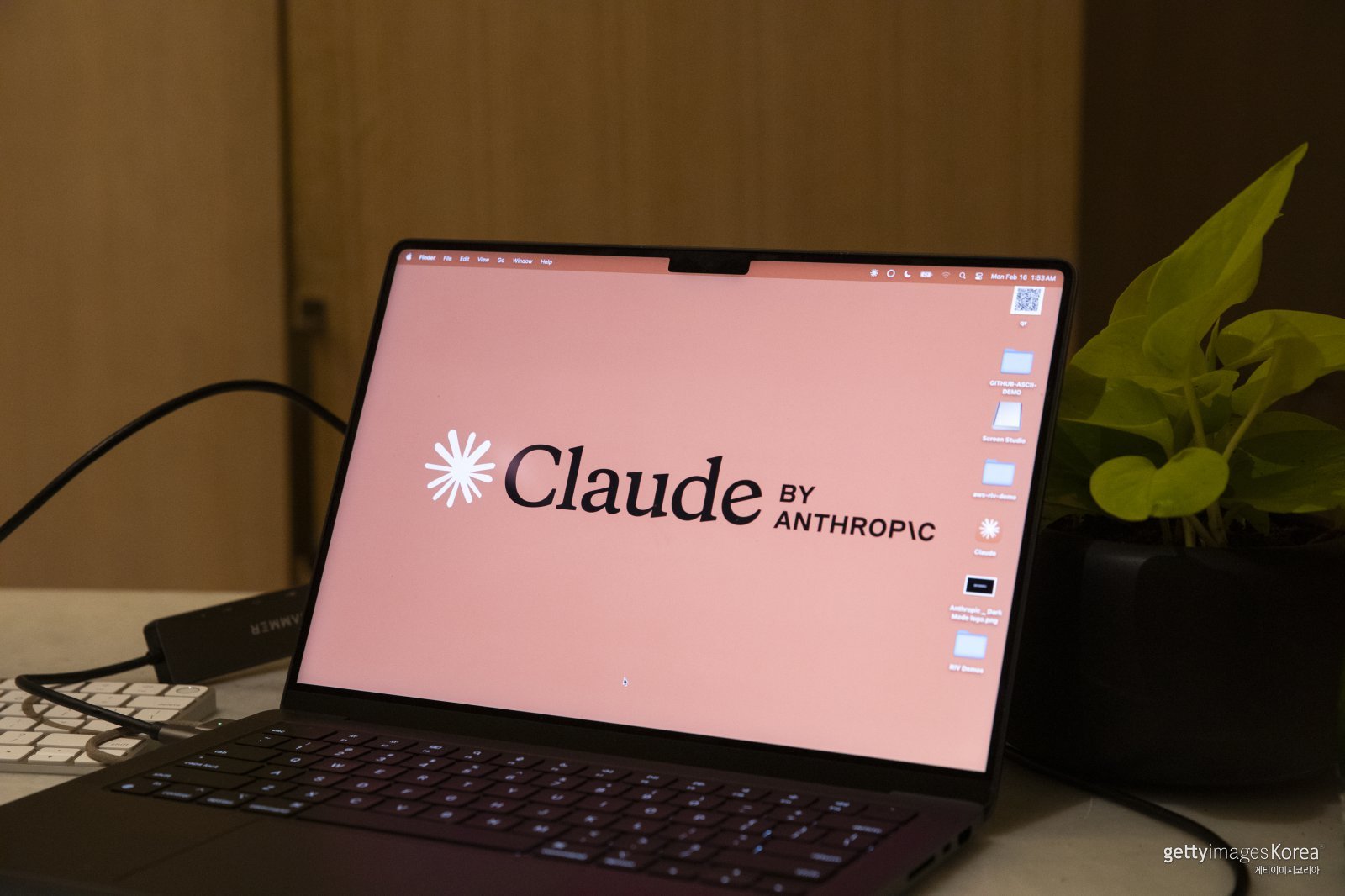
Claude's AI watermarks spark controversy; Anthropic says it doesn't mean AI wrote it
Translated from Korean, summarized and contextualized by DistantNews.
At a glance
News
Named sources
New plan
- AI company Anthropic is implementing invisible watermarks in text processed by its Claude models, sparking controversy.
- The watermarks can appear even if text is only proofread or translated by Claude, raising concerns about misattribution.
- Anthropic states the watermarks indicate Claude's "processing" of text, not necessarily its creation, and aims to comply with EU AI regulations.
Artificial intelligence firm Anthropic has ignited a debate by introducing invisible watermarks into text processed by its Claude AI models. These digital markers, undetectable to the human eye, can appear even on content that was originally written by a person but subsequently proofread or translated by Claude.
The controversy centers on the scope of the watermarking. Critics, like Simon Smith of Klick, a digital health tech company, worry that even minor edits by Claude could lead to content being misidentified as AI-generated. This could obscure the original human authorship.
Anthropic clarified that the watermarks signify that Claude "processed" the text, not that Claude authored it. This distinction is crucial, as the watermarks can also appear on text that Claude has translated or summarized. The company stated that this feature is being implemented to comply with the European Union's AI Act, with the watermarking applied globally to supported models since August 2nd.
If Anthropic is the only one that can check the watermark, then the company is essentially acting as the judge, jury, and executioner.
Further concerns have been raised regarding who can verify these watermarks. Tech investor Bill Gurley criticized Anthropic, suggesting that if only the company can identify the watermarks, it effectively makes Anthropic the "judge, jury, and executioner." Anthropic plans to offer a free API for users and third parties to check the watermarks, though specific technical details about their implementation remain undisclosed. The company maintains that the watermarks do not alter the meaning, quality, or readability of the text.
Reactions to the watermarking are mixed. Some, like software engineer Don Felker, see potential benefits in reducing the problem of AI generating content that is then fed back into AI training, a phenomenon sometimes called "the snake eating its own tail." However, others, such as former Microsoft executive Steven Sinofsky, have raised privacy concerns, noting that even personal thoughts could carry a digital trace. Software educator John Crickett pointed out that watermarks on AI-generated code could complicate proving human contribution for copyright claims.
The watermark indicates that Claude processed the text, not that Claude wrote it.
DistantNews Editorial
Originally published by Dong-A Ilbo in Korean. Translated, summarized, and contextualized by our editorial team with added local perspective. Read our editorial standards.
More Stories


From Our Blog

What Gets Lost (and Found) When News Is Translated

The Critical Role of Diaspora Media in Global News

What Travellers Should Know About Countries with Restricted Press

A Digital Nomad's Guide to Following Local News

How the Same Story Looks Different in Different Countries
