


Climate change could triple wildfire area in Europe by 2100, study finds
Translated from German, summarized and contextualized by DistantNews.
At a glance
News
From a news agency
Context piece
- A new study predicts that the area affected by wildfires in Europe could triple by 2100 due to climate change.
- Researchers found that the annual area burned could increase by 39% to 192% depending on the extent of global warming.
- The study highlights that while climate change is a primary driver, land use, prevention, and early detection also play significant roles.
Wildfire areas in Europe could nearly triple by the end of the century, according to a new study. Researchers project that the annual area affected by fires could increase by up to 192 percent, driven primarily by climate change.
The international research team, led by Maik Billing from the Potsdam Institute for Climate Impact Research, published their findings in the journal Global Change Biology. Their simulations indicate that even under a scenario of relatively low global warming, around 1.8 degrees Celsius, Europe could see a 39 percent increase in burned areas compared to today.
However, in a more severe warming scenario of approximately 3.6 degrees Celsius, the increase could reach 192 percent. The study suggests that Central Europe, large parts of Western Europe, and the Mediterranean region would be particularly affected. For context, current global projections estimate Earth is on track for about 2.8 degrees of warming by the century's end.
While climate change is identified as a major factor exacerbating hot, dry, and windy conditions conducive to fires, the researchers also noted the importance of other elements. These include land use patterns, fire prevention strategies, and early detection systems. The study acknowledges that wildfires are natural processes vital for ecosystem dynamics and biodiversity, but current trends show a significant increase in their activity.
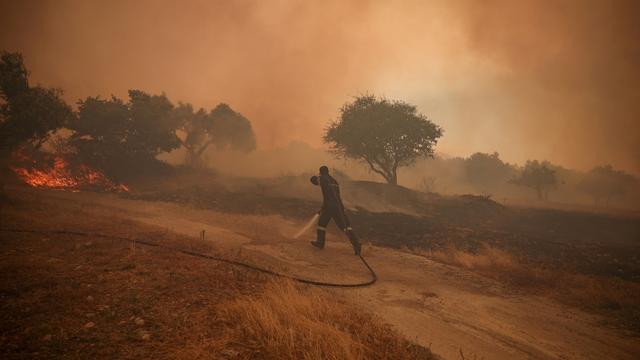
Climate change is leading to an increase in fire activity across Europe as hot, dry, and windy conditions intensify.
DistantNews Editorial
Originally published by Die Zeit in German. Translated, summarized, and contextualized by our editorial team with added local perspective. Read our editorial standards.
More Stories

From Our Blog

What Gets Lost (and Found) When News Is Translated

How the Same Story Looks Different in Different Countries

The Critical Role of Diaspora Media in Global News

What Travellers Should Know About Countries with Restricted Press

A Digital Nomad's Guide to Following Local News
