

Wolf Suspected in Child Attack Captured Near Thessaloniki, Greece
Translated from German, summarized and contextualized by DistantNews.
At a glance
News
Official statement
Outcome reported
- A wolf suspected of attacking a child in Greece has been captured by environmentalists near Thessaloniki.
- The captured female wolf was found to be underweight, malnourished, and missing a hind leg, with an open wound.
- DNA tests will be conducted to confirm if this wolf is responsible for the attack on the child in July.
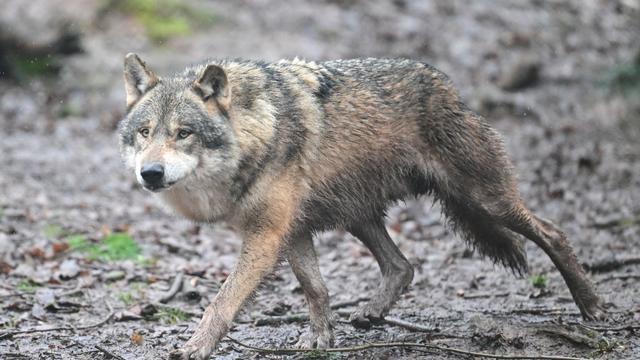
Environmentalists in Greece have captured a female wolf suspected of attacking a child in a suburb of Thessaloniki in late July. The animal was caught in a specialized trap set by the Greek environmental organization Callisto.
According to Callisto, the wolf is in poor condition. It weighs only 24.5 kilograms, is severely malnourished, and is missing its left hind leg, which has an open wound. The attack on the child occurred on July 30 in Polichni, near Thessaloniki. The child sustained bites to the face, neck, and back. Initially, authorities considered the possibility of a jackal attack, but environmental organizations and the state nature conservation authority now believe the captured wolf is the perpetrator.
The wolf has been transferred to the care of Arcturos, a wildlife protection organization specializing in bears and wolves. It is slated to be moved to a wolf and lynx sanctuary near Florina in northern Greece. Blood samples have been taken from the wolf for genetic testing. These samples will be compared with genetic material collected from the child's clothing after the attack, allowing scientists at the University of Thessaloniki to determine if this is the animal responsible.
Callisto emphasized that attacks by healthy wolves on humans are rare. However, they deemed it necessary to remove this particular wolf from the wild due to its injured state and apparent habituation to human presence while foraging in inhabited areas. Estimates suggest around 1000 wolves inhabit Greece, primarily in the northern and central regions of the country.
Attacks by healthy wolves on humans are rare.
DistantNews Editorial
Originally published by Die Zeit in German. Translated, summarized, and contextualized by our editorial team with added local perspective. Read our editorial standards.
More Stories



From Our Blog

What Gets Lost (and Found) When News Is Translated

How the Same Story Looks Different in Different Countries

The Critical Role of Diaspora Media in Global News

What Travellers Should Know About Countries with Restricted Press

A Digital Nomad's Guide to Following Local News
