

Climate change disproportionately harms children, UNICEF warns
Translated from German, summarized and contextualized by DistantNews.
At a glance
News
Sources not specified
New plan
- UNICEF reports that 1.1 billion children worldwide are at risk from at least three simultaneous climate hazards.
- Children are more vulnerable than adults to climate change impacts due to their physiology and higher exposure to pollutants.
- The report highlights that droughts, extreme temperatures, and heatwaves are the most common combination of threats, affecting nearly 300 million children.
Nearly half of the world's children, approximately 1.1 billion, face severe threats from at least three simultaneous climate-related dangers, according to a new report by the UN children's agency, UNICEF. The "Children's Climate Risk Report 2026" warns that the climate crisis disproportionately affects children, jeopardizing their health, education, and survival.
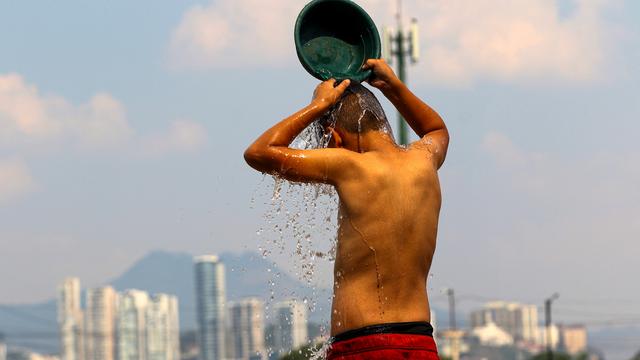
The report identifies key climate hazards including droughts, extreme temperatures, wildfires, heatwaves, coastal and river flooding, sand and dust storms, and tropical cyclones. It emphasizes that in many regions, these risks overlap and intensify each other. The most frequent combination of threats involves droughts, extreme heat, and heatwaves, which put nearly 300 million children in vulnerable areas.
Children are inherently more susceptible to the impacts of climate change than adults. Their bodies heat up faster and sweat less efficiently, making them more prone to heat-related illnesses. They also breathe more rapidly, inhaling a greater proportion of airborne pollutants. Furthermore, children require more food and water relative to their body weight, and their chances of survival during extreme weather events are lower.
UNICEF's Climate Risk Atlas maps the intensity and location of various climate risks globally. UNICEF Executive Director Catherine Russell stated that the atlas can assist governments and decision-makers in planning and investing more effectively in support structures. While children in Germany are noted as having good basic care in areas like health, the report underscores the widespread global vulnerability.
DistantNews Editorial
Originally published by Die Zeit in German. Translated, summarized, and contextualized by our editorial team with added local perspective. Read our editorial standards.
More Stories


From Our Blog

What Gets Lost (and Found) When News Is Translated

How the Same Story Looks Different in Different Countries

The Critical Role of Diaspora Media in Global News

What Travellers Should Know About Countries with Restricted Press

A Digital Nomad's Guide to Following Local News
