

Climate Change Doubled Likelihood of Ontario, N.W.T. Wildfire Conditions: Report
Translated from English, summarized and contextualized by DistantNews.
At a glance
News
Sources not specified
New plan
- Intense July wildfires in Ontario and the Northwest Territories were made roughly twice as likely by human-induced climate change, according to a new report.
- The World Weather Attribution report states that conditions previously considered rare are now more frequent due to fossil fuel burning.
- The report highlights the disproportionate impact on First Nations communities and the need for their inclusion in risk assessments.
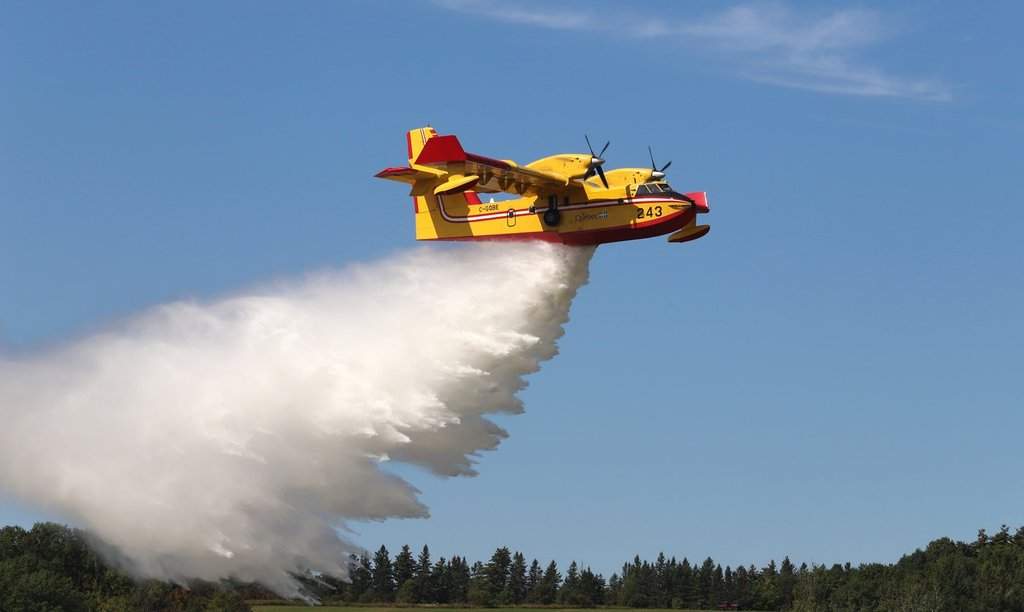
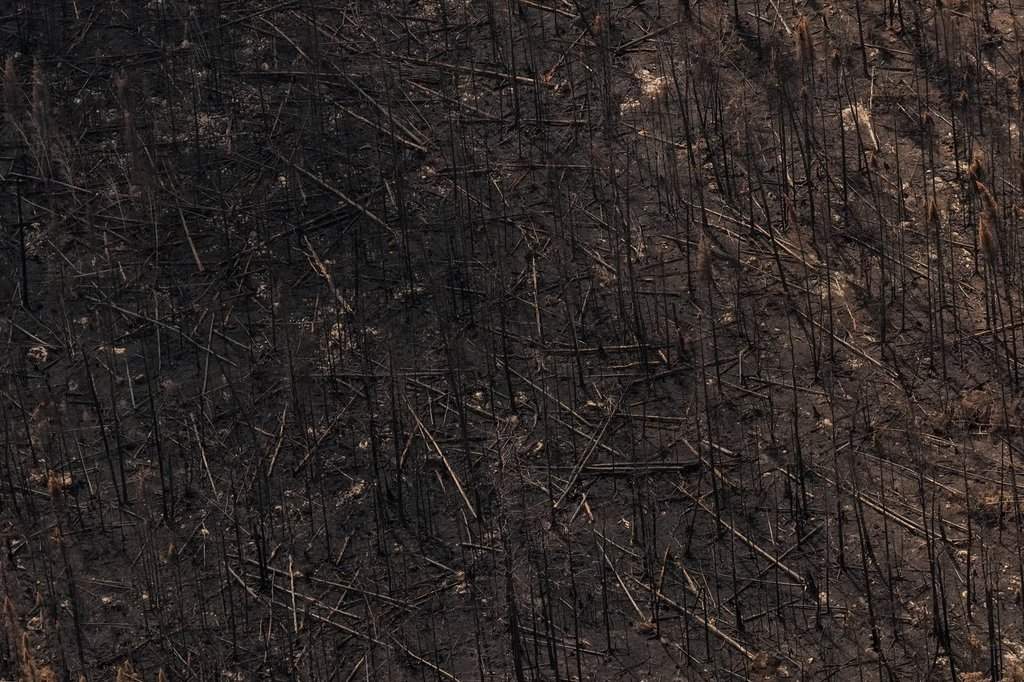
Human-induced climate change significantly increased the likelihood of the extreme wildfire conditions experienced in Ontario and the Northwest Territories during July, a new report reveals. Scientists from an international team concluded that the conditions, which fueled devastating fires, were made approximately twice as probable due to global warming.
The geographic spread of these fires is scary and shows that despite preparedness from wildfire governance, adaptation alone is not enough. We need to rapidly move away from fossil fuels to avoid events like this becoming even more of a reality.
The report, published by World Weather Attribution, emphasizes that fire conditions once considered rare are becoming increasingly common globally as a consequence of burning fossil fuels. "We need to rapidly move away from fossil fuels to avoid events like this becoming even more of a reality," stated Theodore Keeping, a co-author and research associate at Imperial College London, highlighting the escalating danger.
Early observations suggest that the hot, dry, and windy conditions driving the Northwest Territories fires could now occur every two to six years, and every six to 15 years in Ontario. In a world unaffected by human-caused climate change, such extreme fire weather would have been far less frequent, occurring less than once every 40 years. This year's wildfire season is already considered the worst on record for Ontario and ranks among the top 10 for the Northwest Territories based on area burned.
Humanity’s addiction to burning massive amounts of coal, oil and gas is heating our planet, turning more of Canada’s vast forests into tinderboxes, and spreading dangerous smoke far beyond the flames.
The findings have drawn attention from international climate bodies, with UN Climate Change Executive Secretary Simon Stiell noting that the science validates the experiences of those on the front lines. He attributed the increased risk to "humanity’s addiction to burning massive amounts of coal, oil and gas," which is transforming Canada's forests into tinderboxes and spreading smoke widely. The report also underscores the severe impact on First Nations communities, stressing the critical importance of their involvement in preparedness and risk assessment strategies.
this year’s fires were a “warning” that the province and Ottawa’s current approach is insufficient.
DistantNews Editorial
Originally published by Global News in English. Translated, summarized, and contextualized by our editorial team with added local perspective. Read our editorial standards.
More Stories


From Our Blog

What Gets Lost (and Found) When News Is Translated

The Critical Role of Diaspora Media in Global News

What Travellers Should Know About Countries with Restricted Press

A Digital Nomad's Guide to Following Local News

How the Same Story Looks Different in Different Countries
