

Super El Niño Intensifies Faster Than Ever Recorded, Fuels Wildfires
Translated from English, summarized and contextualized by DistantNews.
At a glance
News
Sources not specified
Ongoing story
- A "super El Niño" is strengthening faster than previously recorded, contributing to escalating wildfires and record-breaking temperatures globally.
- This phenomenon, combined with climate change, is amplifying extreme weather events like drought and heavy rainfall.
- El Niño events, occurring every two to seven years, are expected to continue through early 2027, with a high probability of a "very strong" event this year.
The "super El Niño" is intensifying at an unprecedented rate, fueling widespread wildfires and pushing global temperatures to record highs, experts report. This powerful climate pattern is developing faster than scientists have ever documented, significantly impacting regions like Canada and beyond.
Environment and Climate Change Canada had previously forecast that 2026 would likely be among the hottest years on record. The current El Niño, amplified by ongoing climate change, is exacerbating conditions such as drought, intense rainfall, flooding, and unseasonably warm winters across many parts of the world. The National Oceanic and Atmospheric Administration's forecast indicates a high confidence that El Niño will persist through early 2027, with an 81% chance of a "very strong" event between October and December this year.
What we’re seeing is this El Niño continues to strengthen faster than we’ve ever recorded before.
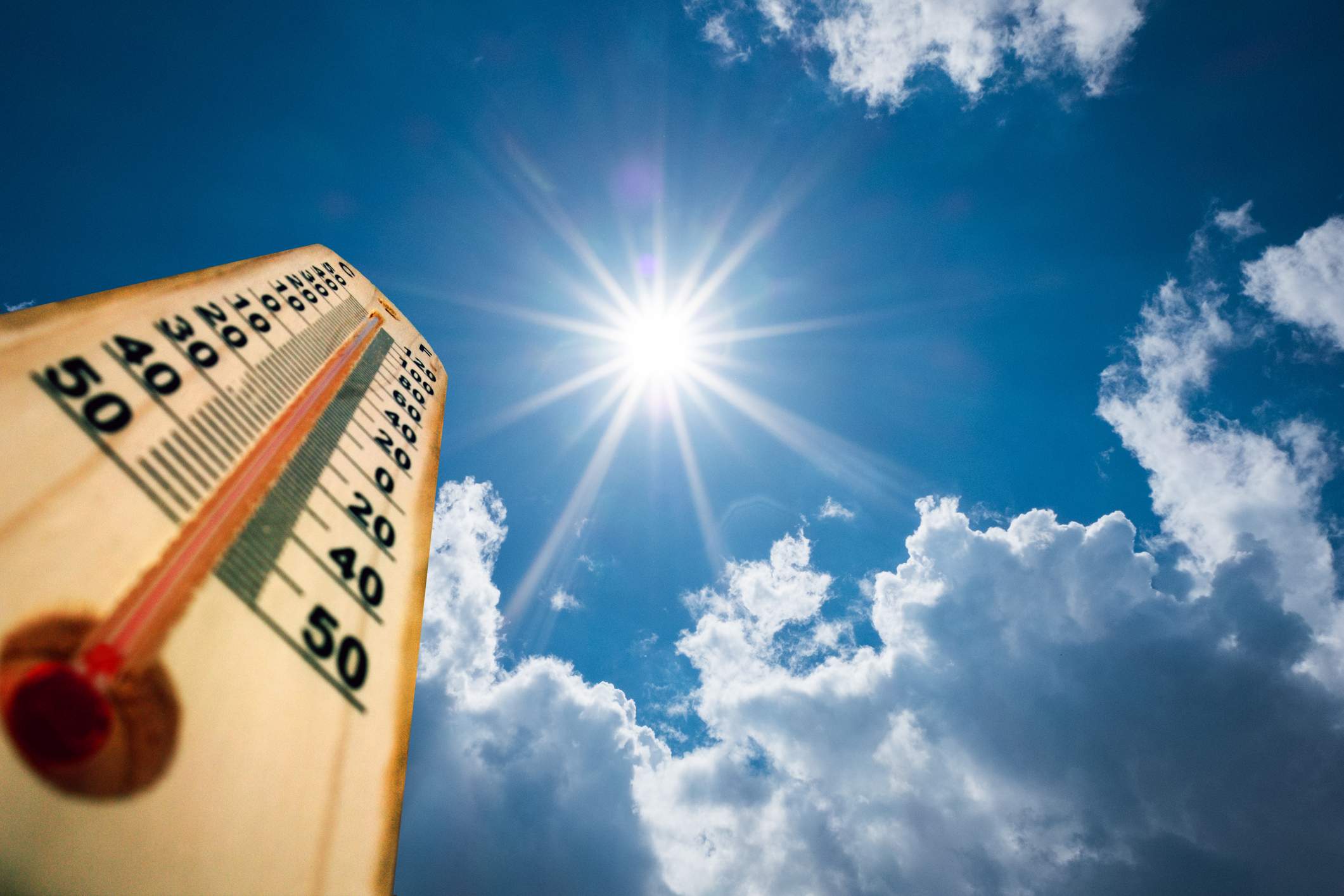
Global average sea surface temperatures reached 20.86 degrees Celsius in June, surpassing records set in previous years. While El Niño typically requires ocean temperatures to exceed the long-term average by 0.5 degrees Celsius, a "super El Niño" occurs when temperatures are more than two degrees above average. These events usually happen every two to seven years and last between 12 to 18 months.
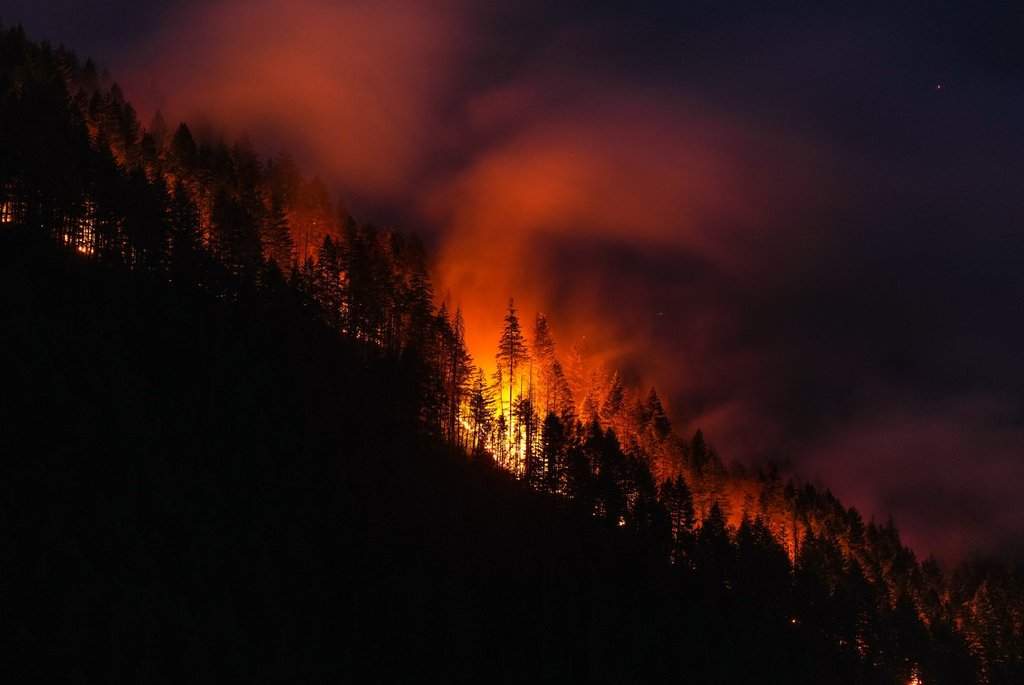
In Canada, the impact is stark. Northern Ontario has experienced more forest fires this year than in any previous year on record, with over 7,250 square kilometers burned as of July 21. British Columbia is also contending with numerous active wildfires, many classified as out of control. Nationally, there are hundreds of active wildfires, though federal officials note the season has not yet reached the scale seen in 2025. Meteorologists suggest that El Niño's influence could be raising temperatures by one to two degrees Celsius, increasing evaporation and contributing to drier conditions.
A lot of this can be blamed on climate change.
DistantNews Editorial
Originally published by Global News in English. Translated, summarized, and contextualized by our editorial team with added local perspective. Read our editorial standards.
More Stories

From Our Blog

What Gets Lost (and Found) When News Is Translated

The Critical Role of Diaspora Media in Global News

What Travellers Should Know About Countries with Restricted Press

A Digital Nomad's Guide to Following Local News

How the Same Story Looks Different in Different Countries
