


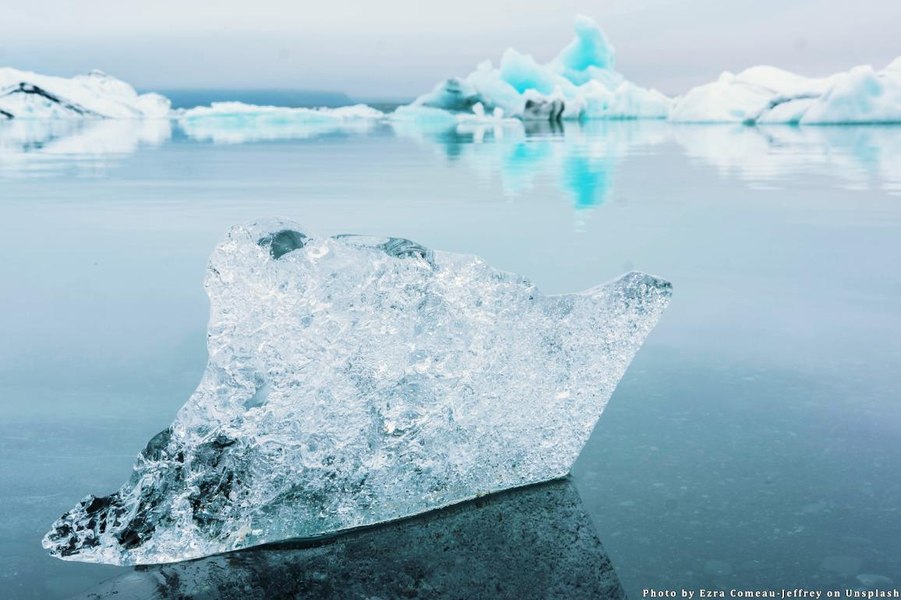
Climate change redraws global trade map, making Arctic a new geopolitical prize
Translated from Romanian, summarized and contextualized by DistantNews.
At a glance
News
Sources not specified
Context piece
- Climate change is opening new Arctic shipping routes as droughts impact traditional waterways like the Panama Canal and European rivers.
- Russia, China, and South Korea are increasing their interest in Arctic transport, seeing it as a strategic and commercial opportunity.
- The Northern Sea Route along Russia's coast is becoming more accessible due to receding ice, though challenges like difficult weather and limited infrastructure remain.
The Arctic is emerging as a new geopolitical and commercial frontier as climate change redraws the map of global trade. Melting ice is gradually opening new maritime routes in the Arctic, while severe droughts are hindering navigation on crucial traditional trade arteries worldwide.
Nations like Russia, China, and South Korea are intensifying their focus on Arctic shipping. This surge in interest is driven by both the potential for shorter transit times between Asia and Europe and the strategic implications of controlling new global trade corridors. The challenges posed by climate change to existing routes, such as the Panama Canal and major European rivers like the Rhine and Danube, further amplify the allure of the Arctic.
Russia's Northern Sea Route, stretching along its Arctic coast, is becoming increasingly navigable for longer periods due to receding ice. Transit numbers have seen a notable increase in recent years. However, the route is far from a simple alternative to established corridors. Navigational conditions remain harsh, infrastructure is scarce, and ships often require ice-breaking support. Furthermore, the route's development is intrinsically linked to Russia's geopolitical standing.
China, in particular, views the Arctic as a key component of its "Polar Silk Road" initiative, aiming to establish it as a vital commercial corridor. Chinese companies are actively testing Arctic transport, with state backing, seeking alternatives to traditional maritime routes. This strategic push is also bolstered by China's dominant position in global shipbuilding. South Korea is also exploring these new routes, with its container ships testing the northern passages.
DistantNews Editorial
Originally published by Adevărul in Romanian. Translated, summarized, and contextualized by our editorial team with added local perspective. Read our editorial standards.
More Stories

From Our Blog

What Gets Lost (and Found) When News Is Translated

The Critical Role of Diaspora Media in Global News

What Travellers Should Know About Countries with Restricted Press

A Digital Nomad's Guide to Following Local News

How the Same Story Looks Different in Different Countries
