


Climate Resilience: Burning Concern
Translated from German, summarized and contextualized by DistantNews.
At a glance
In-depth
Sources not specified
Context piece
- A German article reflects on the historical use of peat for heating and land reclamation, contrasting it with current environmental concerns.
- The author recalls personal experiences with peat, linking them to broader European land management practices.
- The piece highlights the transformation of peatlands like the Hohes Venn from wet environments to drier, exploited areas.
The author reflects on the historical reliance on peat for heating, recalling childhood memories of stacking peat briquettes for her grandmother's stove on their farm in Emsland. This practice, common in the past, stands in stark contrast to contemporary environmental awareness regarding peatlands.
My grandmother heated her farm in Emsland with peat, with dried sods from the moor.
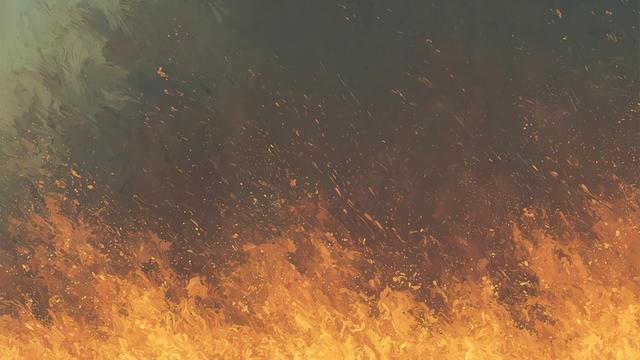
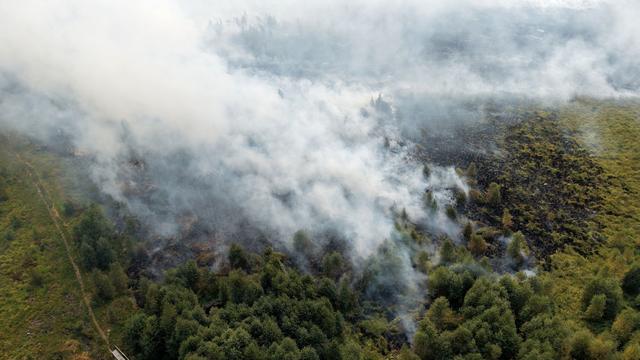
Fifty years later, the author notes the alarming reality of peat fires, such as the one burning in the Hohes Venn, a high moor situated between Belgium and Germany. Once a waterlogged area, much of this region has dried out, leaving behind a thin layer of vegetation over dry peat.
More than fifty years later, the High Fens between Belgium and Germany are burning.
Across Europe, half of all moors have been drained and exploited. The author's grandmother celebrated the "Emslandplan," which utilized deep plows to transform marshy land around her farm into pastures and fields, aiming to reduce pests and increase agricultural output. Similarly, the Hohes Venn has been managed by humans, with peat harvested, spruce trees planted, and the remaining peat dried for fuel.
Half of the moors in Europe have been drained and exploited.
DistantNews Editorial
Originally published by Die Zeit in German. Translated, summarized, and contextualized by our editorial team with added local perspective. Read our editorial standards.
More Stories
From Our Blog

What Gets Lost (and Found) When News Is Translated

How the Same Story Looks Different in Different Countries

The Critical Role of Diaspora Media in Global News

What Travellers Should Know About Countries with Restricted Press

A Digital Nomad's Guide to Following Local News
