


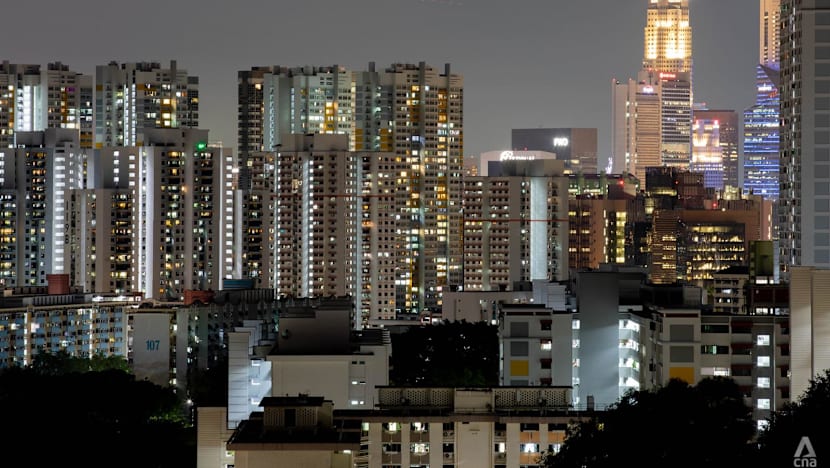
CNA Explains: Electricity tariffs are at a record high. Should you lock in a plan now or wait?
Summarized and contextualized by DistantNews.
At a glance
Explainer
Sources not specified
Context piece
- Singapore's household electricity tariff will increase by 17% for the July-September quarter due to high natural gas prices, adding about S$17 to the average monthly bill.
- The increase is linked to elevated global fuel prices, with the regulated tariff calculated based on gas prices from the previous quarter.
- Households face a dilemma: lock into a fixed-price plan now or wait for potential price drops in the fourth quarter, which depend on the Middle East situation and demand.
Electricity tariffs in Singapore have reached a record high, with the household rate set to jump by 17% for the July to September quarter. This increase, amounting to 4.64 cents per kilowatt-hour before Goods and Services Tax (GST), will add approximately S$17 (US$13.18) to the average monthly electricity bill for a four-room HDB flat.
The record high electricity tariffs are at a critical watershed now - much will depend on the still unfolding scenario on the Middle East oil and gas situation.
The surge is primarily driven by soaring natural gas prices, exacerbated by the ongoing conflict in the Middle East. Manpower Minister and Minister-in-charge of Energy Tan See Leng had previously warned of significantly sharper increases for this quarter. He suggested that households could hedge against higher prices by switching to a fixed-price contract.
However, the Energy Market Authority (EMA) noted that if the Middle East situation improves, lower fuel prices could lead to reduced electricity tariffs in the fourth quarter. This presents a dilemma for consumers: should they commit to a fixed-price plan now, or gamble on a potential decrease in prices later in the year?
Even when there may be truces for the current periods, the setting can be volatile.
Singapore relies heavily on imported natural gas for approximately 95% of its electricity generation, making its electricity prices highly susceptible to global supply shocks. The regulated tariff is reviewed quarterly by grid operator SP Group, based on gas prices from the first 2.5 months of the preceding quarter. Consequently, changes in third-quarter fuel prices will only be reflected in the fourth-quarter tariffs.
It is likely that the fuel and electricity prices will remain high, if not rise higher, before they can subside if the situation gets better.
Experts suggest that while prices might decrease in the fourth quarter if the Middle East situation stabilizes, any reduction is likely to be modest. Professor Lawrence Loh from NUS Business School highlighted the current "critical watershed" for electricity tariffs, emphasizing the volatility tied to the Middle East conflict. Dr. Sung Jinseok from the NUS Energy Studies Institute added that Q3 is typically a peak demand season, and uncertainties in the Middle East persist, potentially delaying a return to pre-conflict price levels until 2027.
In many countries, Q3 is a peak demand season, and there are still a lot of uncertainties in the situation in the Middle East.
DistantNews Editorial
Originally published by CNA. Summarized and contextualized by our editorial team with added local perspective. Read our editorial standards.
More Stories

From Our Blog

What Gets Lost (and Found) When News Is Translated

The Critical Role of Diaspora Media in Global News

What Travellers Should Know About Countries with Restricted Press

A Digital Nomad's Guide to Following Local News

How the Same Story Looks Different in Different Countries
