

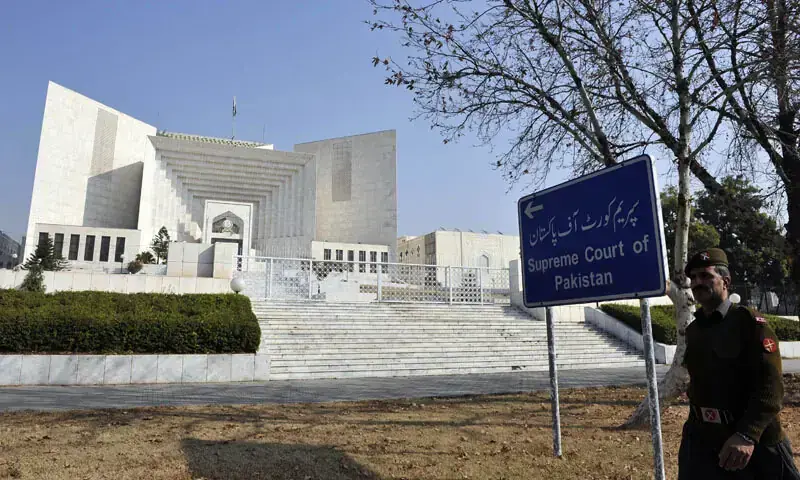
CNIC cannot be blocked to enforce maintenance decree, rules Lahore High Court
Translated from English, summarized and contextualized by DistantNews.
At a glance
News
Named sources
Outcome reported
- The Lahore High Court ruled that a citizen's national identity card (CNIC) cannot be blocked to enforce a maintenance decree.
- The court found that blocking a CNIC for non-payment of maintenance lacks legal sanction and violates due process.
- The ruling emphasized that a CNIC is indispensable for daily life and its deprivation affects fundamental rights.
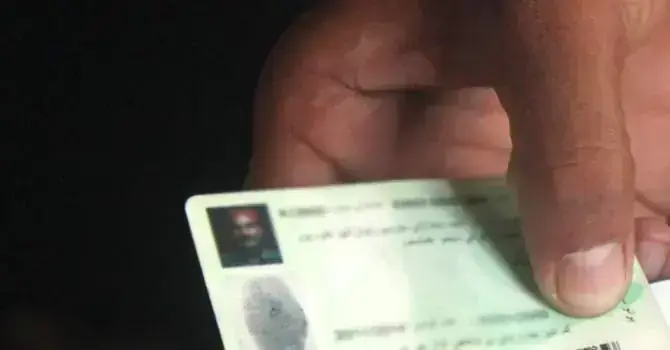
The Lahore High Court has declared that blocking a citizen's national identity card (CNIC) is an unlawful method to enforce maintenance payments. Justice Muzamil Akhtar Shabir's judgment quashed a 2017 order that directed the National Database and Registration Authority (Nadra) to block the CNIC of Nasir Ali Ranjha for failing to pay maintenance to his wife and children.
a citizen’s computerised national identity card (CNIC) could not be blocked to enforce a maintenance decree, holding that such a measure had no sanction under the law and violated due process.
The petitioner had challenged the executing court's order, which was based on his perceived evasion of legal proceedings and non-compliance with the maintenance decree. The lower court had also initiated property auction proceedings against him. His wife argued that blocking his CNIC was necessary to compel his appearance and ensure adherence to the court's order.
However, Justice Shabir found that the executing court had overstepped its legal authority. Citing recent Supreme Court and LHC judgments, the judge stated that while Section 51(e) of the Code of Civil Procedure allows for effective decree enforcement, it does not authorize the blocking of a CNIC without explicit legal backing. The court stressed that such measures cannot deprive individuals of essential identity documents arbitrarily.
It is required for obtaining a passport, opening bank accounts, securing employment, accessing utility services, travelling, appearing before courts and availing numerous public and private services
The ruling highlighted the critical role of a CNIC in modern life, noting its necessity for passports, bank accounts, employment, and accessing various services. Depriving someone of their CNIC, the court observed, infringes upon fundamental constitutional rights. Therefore, its blockade can only be ordered through legally prescribed procedures. The court also noted that Nadra regulations permit CNIC cancellation only for specific reasons like fraud or ineligibility, not for enforcing civil decrees.
its blockade could not be ordered except in accordance with the procedure prescribed by law.
DistantNews Editorial
Originally published by Dawn in English. Translated, summarized, and contextualized by our editorial team with added local perspective. Read our editorial standards.
More Stories


From Our Blog

What Gets Lost (and Found) When News Is Translated

The Critical Role of Diaspora Media in Global News

What Travellers Should Know About Countries with Restricted Press

A Digital Nomad's Guide to Following Local News

How the Same Story Looks Different in Different Countries
