

Colombia's Tolima region battles worst wildfires, 30,000 hectares lost
Translated from Spanish, summarized and contextualized by DistantNews.
At a glance
News
Sources not specified
Ongoing story
- Wildfires have consumed nearly 30,000 hectares across approximately 30 municipalities in Colombia's Tolima department.
- Firefighters, including César Palomino, describe the blazes as the most severe they have encountered, with flames reaching over 5 meters high.
- The fires have destroyed natural landscapes, homes, and crops, causing significant environmental and economic damage, and prompting calls for aerial support.
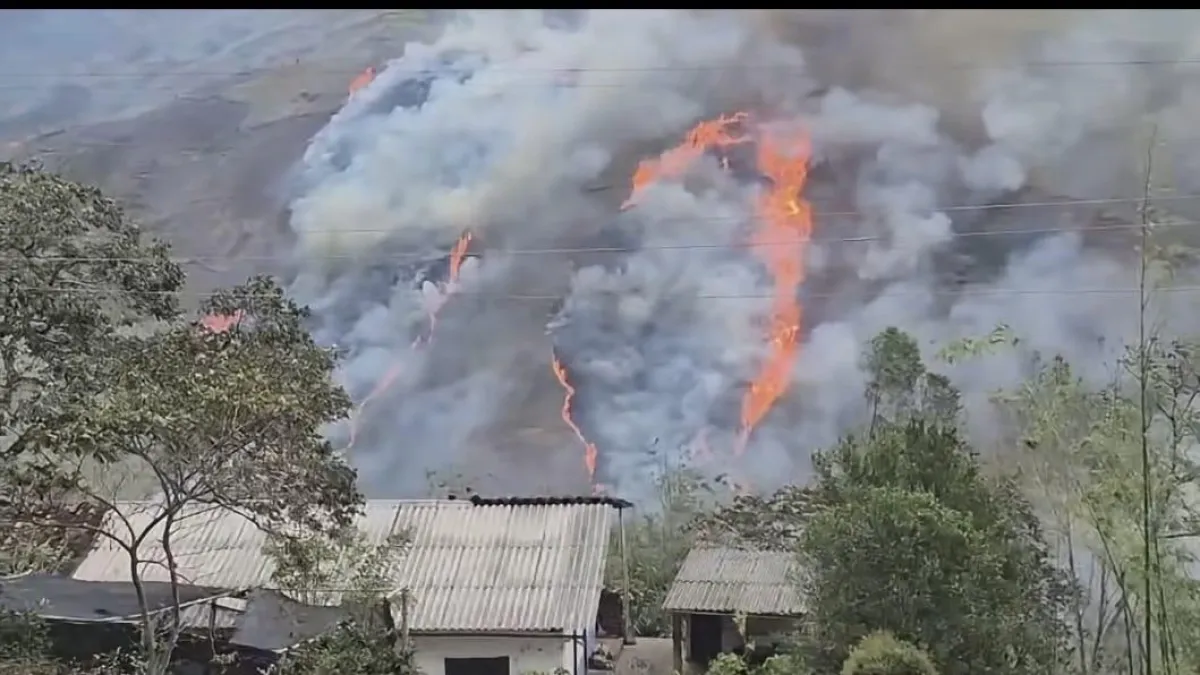
The Tolima department in Colombia is battling its worst environmental tragedy, with wildfires scorching nearly 30,000 hectares across about 30 municipalities since August 1.
It is painful to see a mountain, which yesterday was alive, consumed by flames for 5 and 7 days.
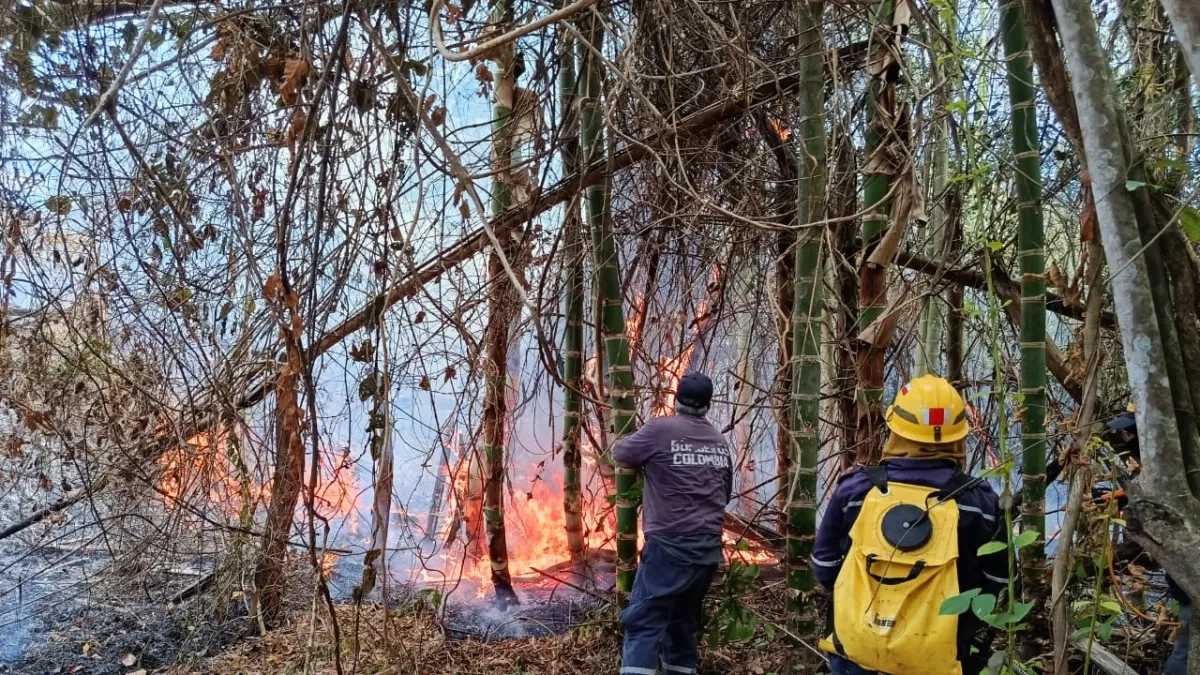
César Palomino, a 37-year-old firefighter, is among the 200 personnel working tirelessly to control the blazes. He describes the fires as the most difficult he has ever faced, with flames reaching heights of over 5 meters. "This year has been the most difficult," Palomino stated, emphasizing the need for aerial support and water drops. "It is painful to see a mountain, which yesterday was alive, consumed by flames for 5 and 7 days."
The fires have devastated not only natural landscapes but also homes and crops, including lemon, avocado, plantain, and coffee. Families have been left weeping over their lost properties as the flames advance relentlessly, fueled by strong August winds. Firefighters often work from early morning until the early hours of the next day, returning home exhausted.
This year has been the most difficult, as we have never seen emergencies of this type so strong, so terrible, because the flames reach more than 5 meters in height and in that sense it is essential to have aerial help and water drops.
The most affected areas include San Luis, Armero-Guayabal, Ortega, Suárez, Coello, Guamo, Coyaima, Venadillo, Alvarado, and Mariquita. Even the capital city, Ibagué, has not escaped, with over 2,000 hectares consumed. The scale of the emergency has led to calls for more resources, particularly aerial assistance, to combat the escalating disaster.
There are days when the work of extinguishing fires begins at 5 or 6 in the morning and we return home at 2 or 3 in the morning, totally exhausted, tired.
DistantNews Editorial
Originally published by El Tiempo in Spanish. Translated, summarized, and contextualized by our editorial team with added local perspective. Read our editorial standards.
More Stories

From Our Blog

What Gets Lost (and Found) When News Is Translated

The Critical Role of Diaspora Media in Global News

What Travellers Should Know About Countries with Restricted Press

A Digital Nomad's Guide to Following Local News

How the Same Story Looks Different in Different Countries
