

Commentary: If your child’s myopia keeps getting worse, having new spectacles isn’t enough
Summarized and contextualized by DistantNews.
At a glance
Opinion
Sources not specified
Context piece
- Early intervention to slow myopia progression in children is crucial for long-term eye health.
- Simply updating spectacles is insufficient to manage worsening eyesight.
- Dr. Foo Li Lian emphasizes the significant impact of early myopia management on a child's future vision.
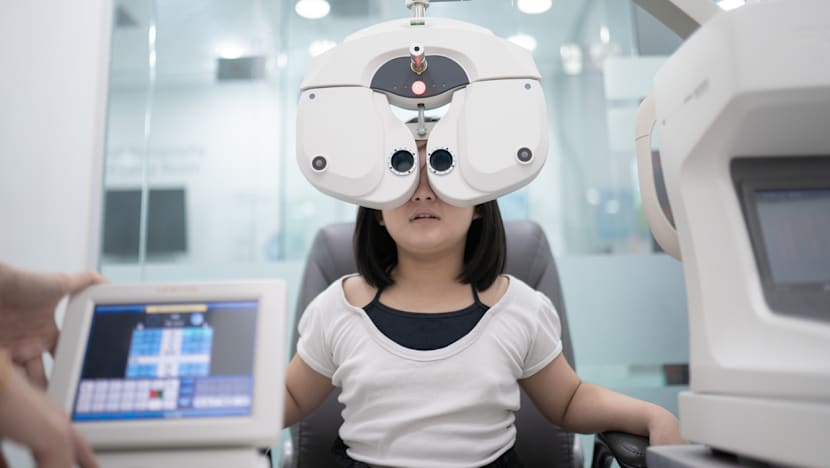
For parents concerned about their child's eyesight, simply getting new spectacles when myopia worsens may not be enough. Dr. Foo Li Lian stresses that actively managing and slowing the progression of myopia in children from an early stage is far more critical for their lifelong eye health than previously understood.
The common approach of updating prescriptions as a child's vision deteriorates overlooks the underlying issue of myopia progression. This unchecked worsening can have significant long-term consequences, potentially leading to more severe eye conditions later in life. Dr. Foo's commentary highlights a need for a proactive strategy rather than a reactive one.
Early intervention strategies aim to control the rate at which a child's eyes lengthen, which is the primary cause of myopia. These methods can include specialized contact lenses, eye drops, and lifestyle adjustments. By addressing the progression early, the aim is to reduce the final level of myopia, thereby lowering the risk of associated complications such as retinal detachment, glaucoma, and myopic maculopathy in adulthood. The focus is on preserving vision and eye health for the future.
Slowing the progression of myopia in children early may matter far more than we realise for their lifelong eye health.
DistantNews Editorial
Originally published by CNA. Summarized and contextualized by our editorial team with added local perspective. Read our editorial standards.
More Stories

From Our Blog

What Gets Lost (and Found) When News Is Translated

The Critical Role of Diaspora Media in Global News

What Travellers Should Know About Countries with Restricted Press

A Digital Nomad's Guide to Following Local News

How the Same Story Looks Different in Different Countries
