

Commentary: Japan needs deterrence and renewal - not managed decline
Summarized and contextualized by DistantNews.
At a glance
Analysis
Named sources
Context piece
- Japan must reassess its global role and national security strategy after World War II.
- The country faces demographic decline and needs economic renewal and stronger defense capabilities.
- The author argues for honest leadership and business community engagement to foster industrial revival and deterrence.
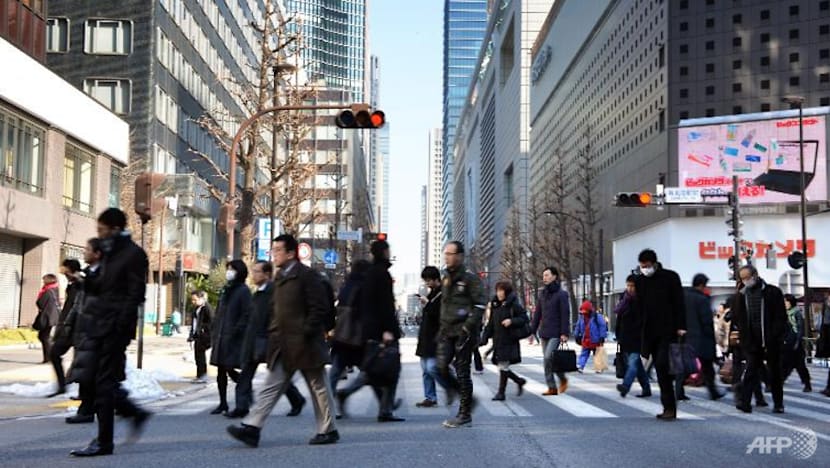
Japan stands at a critical juncture, needing to confront a "fear of sovereignty" that has led to a stagnant approach to its future, according to this commentary. With only 9 percent of Japanese citizens willing to fight for their country, the lowest globally, and amidst China's growing military and economic power and North Korea's provocations, the nation's education system is still shaped by postwar assumptions. The writer asserts that current realities demand a serious focus on deterring national security threats.
A country that cannot protect itself narrows its options in everything else.
Deterrence for Japan today, the author argues, must encompass three key areas. First, economic strength is paramount, requiring a serious immigration framework to address a shrinking workforce and demographic crisis, moving beyond decades of deflation that sustained outdated industries. Second, Japan needs to increase defense spending and develop advanced capabilities, including missiles and drones, without viewing it as a source of embarrassment. A nation unable to defend itself limits its options across the board.
Nations that admire you are less inclined to threaten you.
The third pillar is soft power, where Japan possesses significant, though underestimated, strengths. Development aid through the Japan International Cooperation Agency and cultural exports like manga and anime have fostered goodwill in Asia, potentially reducing threats. The writer contends that this soft power should be valued as highly as military hardware.
A stronger economy is precisely what finances greater security - and without economic renewal, no level of defence spending is sustainable.
Critics who claim Japan cannot afford stronger deterrence are mistaken, the commentary states. Economic renewal is the foundation for financing greater security, and without it, defense spending is unsustainable. The nation requires honest leadership willing to communicate urgency and a credible vision, rather than relying on subsidies that mask the dangers of energy dependence and strained public finances. The business community must also align industrial revival with deterrence, recognizing them as interconnected goals, particularly in strategic sectors like semiconductors.
Subsidies are a political escape route; they blunt urgency, freeze the status quo and starve the animal spirits that only genuine pressure produces.
DistantNews Editorial
Originally published by CNA. Summarized and contextualized by our editorial team with added local perspective. Read our editorial standards.
More Stories


From Our Blog

What Gets Lost (and Found) When News Is Translated

The Critical Role of Diaspora Media in Global News

What Travellers Should Know About Countries with Restricted Press

A Digital Nomad's Guide to Following Local News

How the Same Story Looks Different in Different Countries
