


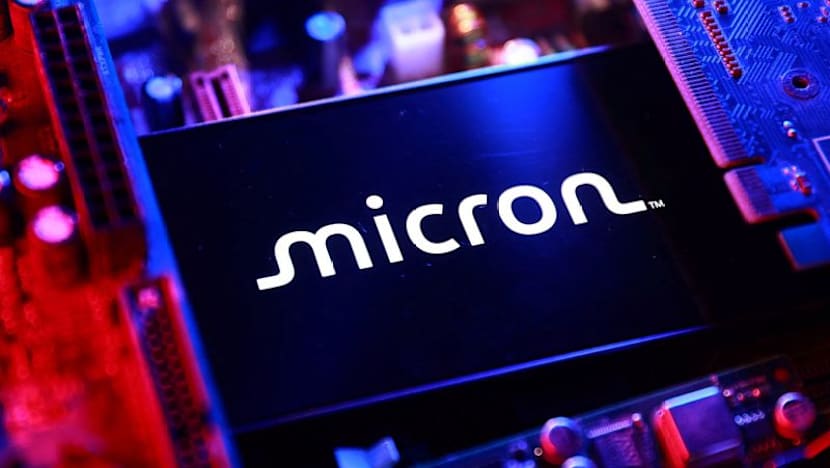
Commentary: Micron’s huge AI windfall is bad news for most of us
Summarized and contextualized by DistantNews.
At a glance
Analysis
Named sources
Context piece
- Soaring chip prices, driven by demand for AI, could make devices like iPads and Nintendo Switches more expensive.
- This price increase may have broader negative consequences beyond consumer electronics.
- The trend highlights the significant economic impact of the artificial intelligence boom.
The booming demand for artificial intelligence is creating a windfall for chipmakers like Micron, but this surge in prices spells trouble for ordinary consumers. The cost of essential electronics, from iPads to Nintendo Switches, is likely to climb as chip manufacturers prioritize high-margin AI components.
This trend extends beyond just consumer gadgets. The escalating prices for semiconductors could ripple through various industries, potentially impacting everything from automotive manufacturing to industrial equipment. Chris Bryant, writing for Bloomberg Opinion, suggests that the AI boom's benefits are not being shared equally, with many consumers facing the brunt of increased costs.
The situation underscores the complex economic dynamics at play. While the AI revolution promises innovation and growth, it also presents challenges in terms of affordability and accessibility. Consumers may find themselves paying more for technology as the industry grapples with supply and demand imbalances, making the AI windfall a mixed blessing for the broader economy.
DistantNews Editorial
Originally published by CNA. Summarized and contextualized by our editorial team with added local perspective. Read our editorial standards.
More Stories



From Our Blog

What Gets Lost (and Found) When News Is Translated

The Critical Role of Diaspora Media in Global News

What Travellers Should Know About Countries with Restricted Press

A Digital Nomad's Guide to Following Local News

How the Same Story Looks Different in Different Countries
