

CPTPP Ministers Welcome US-Iran Deal, Urge Safe Passage Through Strait of Hormuz
Translated from English, summarized and contextualized by DistantNews.
At a glance
News
Official statement
New plan
- CPTPP ministers welcomed the US-Iran agreement, emphasizing the need for safe passage through the Strait of Hormuz.
- They urged minimizing disruptions to energy trade and upholding rules-based trade in accordance with international law.
- The bloc also advanced accession talks with Costa Rica and Uruguay, and began discussions with the UAE, Philippines, and Indonesia.
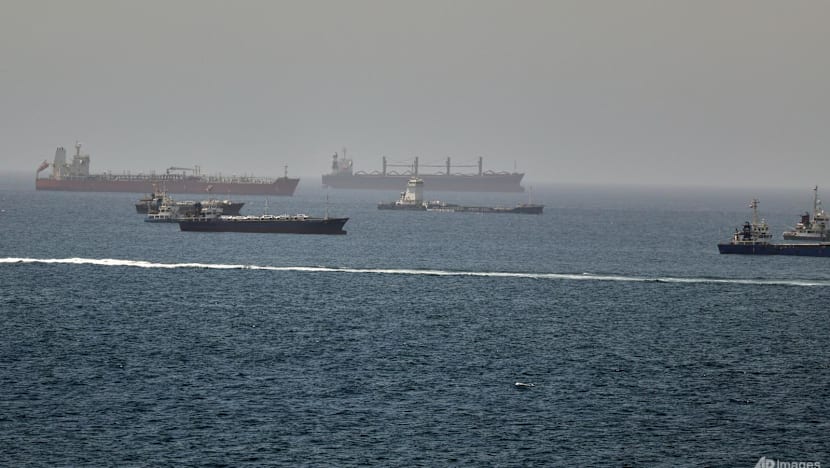
Ministers and representatives of the Comprehensive and Progressive Agreement for Trans-Partnership (CPTPP) bloc have welcomed the recent agreement between the United States and Iran. A key focus of their statement is the critical importance of reopening the Strait of Hormuz and ensuring the restoration of free and safe navigation through this vital waterway.
In a joint ministerial statement, the free-trade bloc underscored the necessity of keeping sea lanes open and secure. They called for the minimization of disruptions to energy trade flows, emphasizing adherence to international law, particularly the UN Convention on the Law of the Sea. The US-Iran peace agreement, signed earlier this month, aims to formally end the war, reopen the Strait of Hormuz to commercial shipping, and initiate further negotiations on Iran's nuclear program and sanctions relief.
We reaffirm our commitments not to impose unjustified trade restrictive measures, and we call on others to do the same.
The CPTPP ministers acknowledged the significance of trade in fuel, energy products, and other essential goods, including crude oil and natural gas, which pass through the Strait of Hormuz, a route carrying approximately one-fifth of global seaborne oil and liquefied natural gas exports. They reaffirmed their commitment to promoting free and open markets and rules-based trade in these sectors, deeming them essential for the economic security and prosperity of their member economies.
Beyond trade concerns, the CPTPP ministers also made progress on accession matters. They reaffirmed their commitment to formalizing Costa Rica’s accession as soon as possible and welcomed advancements in Uruguay's accession process. Furthermore, the bloc has initiated preparatory discussions with potential new members, including the United Arab Emirates, the Philippines, and Indonesia.
In this time of crisis for global supply chains, we reaffirm our shared determination to work collectively to address current disruptions, uphold open markets and rules-based trade, and accelerate cooperation on resilience and crisis response.
DistantNews Editorial
Originally published by CNA in English. Translated, summarized, and contextualized by our editorial team with added local perspective. Read our editorial standards.
More Stories


From Our Blog

What Gets Lost (and Found) When News Is Translated

The Critical Role of Diaspora Media in Global News

What Travellers Should Know About Countries with Restricted Press

A Digital Nomad's Guide to Following Local News

How the Same Story Looks Different in Different Countries
