

Commentary: The fragile reopening of Hormuz is no return to normal for Asia
Summarized and contextualized by DistantNews.
At a glance
Analysis
Sources not specified
Context piece
- The Strait of Hormuz has reopened, but its return to pre-war normalcy is expected to be slow.
- This gradual recovery has significant implications for Asian economies that rely on the strait for energy imports.
- The situation highlights the ongoing fragility of global trade routes and energy security.
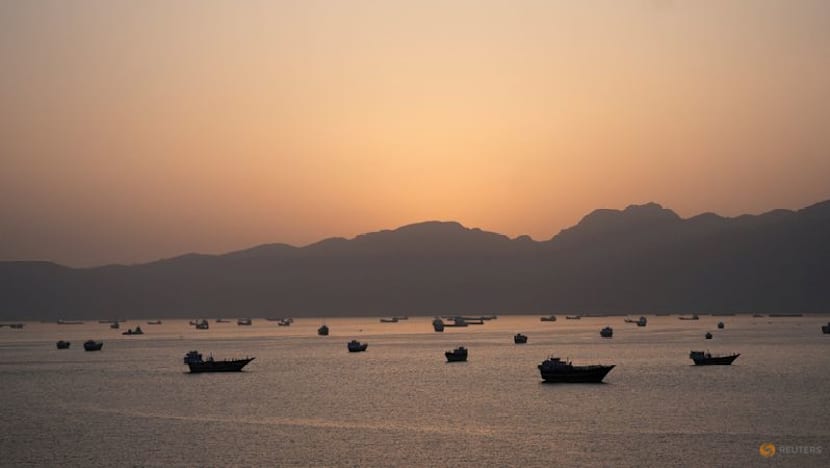
The reopening of the Strait of Hormuz, a vital artery for global energy supplies, signals a tentative step away from conflict. However, the path back to pre-war levels of normalcy and security in this critical waterway is anticipated to be a slow and arduous process.
This fragile recovery carries substantial implications for Asia, a region heavily dependent on the strait for its energy needs. Nations across the continent will be closely monitoring the situation, as disruptions or continued instability in Hormuz can directly impact their economic stability and growth prospects.
Bernard Aw, chief APAC economist at Coface, suggests that the reopening does not signify a complete return to the status quo. The underlying tensions and potential for future disruptions mean that Asian economies must brace for a period of continued uncertainty. This situation underscores the delicate balance of global energy security and the interconnectedness of geopolitical events with economic outcomes.
A return to pre-war normalcy in the Strait of Hormuz is likely to be slow.
DistantNews Editorial
Originally published by CNA. Summarized and contextualized by our editorial team with added local perspective. Read our editorial standards.
More Stories


From Our Blog

What Gets Lost (and Found) When News Is Translated

The Critical Role of Diaspora Media in Global News

What Travellers Should Know About Countries with Restricted Press

A Digital Nomad's Guide to Following Local News

How the Same Story Looks Different in Different Countries
