


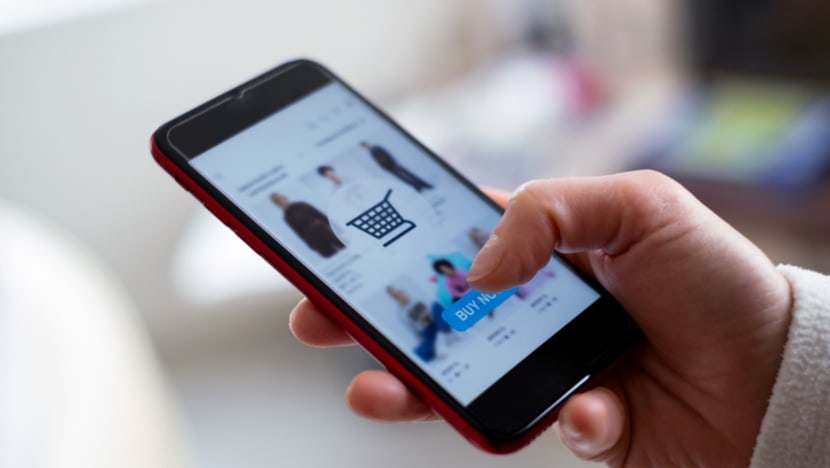
Commentary: Why people are ordering fake food and fashion deliveries on free ‘dopamine apps’
Summarized and contextualized by DistantNews.
At a glance
Analysis
Sources not specified
Context piece
- "Dopamine apps" offering free virtual purchases of food and fashion have become popular.
- These apps allow users to "buy" items without any real-world cost.
- A consumer behavior professor explains the psychological reasons behind this trend.
A growing number of people are engaging with "dopamine apps" that provide the illusion of shopping without any financial consequence. These platforms allow users to virtually acquire goods like food and clothing, offering a quick hit of satisfaction.
The phenomenon is driven by the psychological reward system, often referred to as the "dopamine loop." By simulating the act of purchasing and receiving items, these apps tap into the brain's pleasure centers, providing a sense of accomplishment or gratification.
Experts in consumer behavior suggest that this trend reflects a desire for instant gratification and a way to cope with stress or boredom. The absence of real-world cost removes the usual barriers and decision-making processes associated with shopping, making it an easy escape.
While these apps may offer a harmless diversion for some, their viral spread raises questions about their long-term impact on consumer habits and the perception of value. The ease with which users can "acquire" goods could potentially influence real-world purchasing decisions or create unrealistic expectations.
Dopamine apps” that allow users to “buy” food, clothes or other products with no real-world cost have gone viral.
DistantNews Editorial
Originally published by CNA. Summarized and contextualized by our editorial team with added local perspective. Read our editorial standards.
More Stories



From Our Blog

What Gets Lost (and Found) When News Is Translated

The Critical Role of Diaspora Media in Global News

What Travellers Should Know About Countries with Restricted Press

A Digital Nomad's Guide to Following Local News

How the Same Story Looks Different in Different Countries
