

Comparing the mood of America's 250th anniversary with its 200th in 1976
Summarized and contextualized by DistantNews.
At a glance
Analysis
Named sources
Context piece
- The United States is approaching its 250th anniversary, drawing parallels with its 200th anniversary in 1976.
- Both periods share similarities such as economic instability, political turmoil, and cultural divisions.
- Historians note that while partisan polarization is higher today, both eras faced significant crises of confidence regarding national values and future.
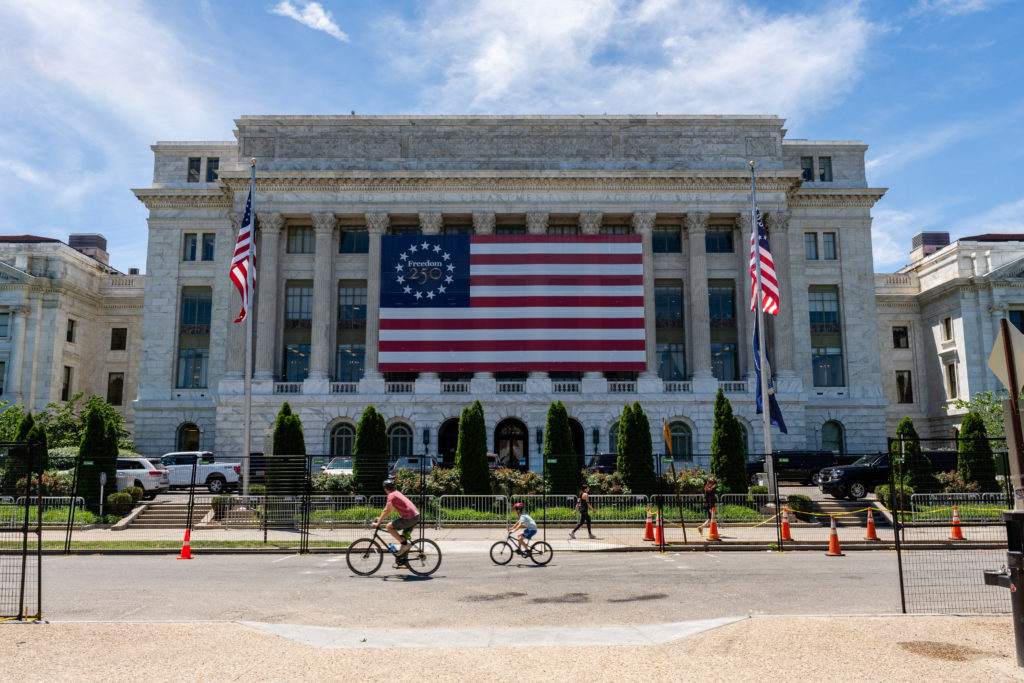
As the United States prepares to mark its 250th anniversary, a historical comparison with its bicentennial celebration in 1976 reveals striking similarities in the nation's mood and challenges. Both periods are characterized by soaring inflation, high gasoline prices, intense culture wars, and presidents with declining approval ratings. Historians describe the national atmosphere during both celebrations as marked by "major crises of confidence about national values, vices, and virtues, and about the past, present, and future of national greatness."
The parallels are eerie: international conflict, domestic strife, political turmoil, partisan division and economic instability.
Historians like Marc Stein of San Francisco State University point to eerie parallels, including international conflict, domestic strife, political turmoil, partisan division, and economic instability. While the underlying issues may differ in specifics, substituting Richard Nixon for Donald Trump, Vietnam for Iran, or Watergate for alleged misuse of the Justice Department, the sense of national unease resonates across the decades. The zeitgeist of both eras reflects deep introspection about the nation's identity and trajectory.
major crises of confidence about national values, vices, and virtues, and about the past, present, and future of national greatness.
However, significant divergences exist, particularly in the degree of partisan polarization, which is widely considered much higher in the current era. The bicentennial planning in 1966 began under President Lyndon B. Johnson with a bipartisan commission, aiming for a grand commemoration. Yet, the process became mired in political maneuvering under subsequent administrations, with critics accusing President Nixon of centering the event around himself and his campaign. Concerns about corruption and the commission's unwieldiness also arose.
political cronies and longtime supporters
Furthermore, the 1976 bicentennial faced criticism from groups like the Black Panther Party and the American Indian Movement for neglecting the history of racial and ethnic minorities. This echoes ongoing debates about inclusivity and historical representation. As the nation approaches its 250th anniversary, the echoes of 1976 serve as a reminder of recurring national struggles and the enduring quest for unity and purpose amidst crisis.
corrupt and unwieldy
DistantNews Editorial
Originally published by PBS NewsHour. Summarized and contextualized by our editorial team with added local perspective. Read our editorial standards.
More Stories


From Our Blog

How the Same Story Looks Different in Different Countries

What Gets Lost (and Found) When News Is Translated

The Critical Role of Diaspora Media in Global News

What Travellers Should Know About Countries with Restricted Press

A Digital Nomad's Guide to Following Local News
