


Confetti Banned in Buenos Aires Stadiums After Fire Incident
Translated from Spanish, summarized and contextualized by DistantNews.
TLDR
- Buenos Aires authorities have unanimously banned the use of confetti in stadiums following a small fire at the Monumental stadium during the River Plate vs. Boca Juniors match.
- The ban is described as preventive and immediately applicable, citing the "potential risk of ignition" posed by confetti, especially in crowded areas.
- The committee emphasized that safety of attendees is paramount and that no future authorizations will be granted for celebrations involving confetti.
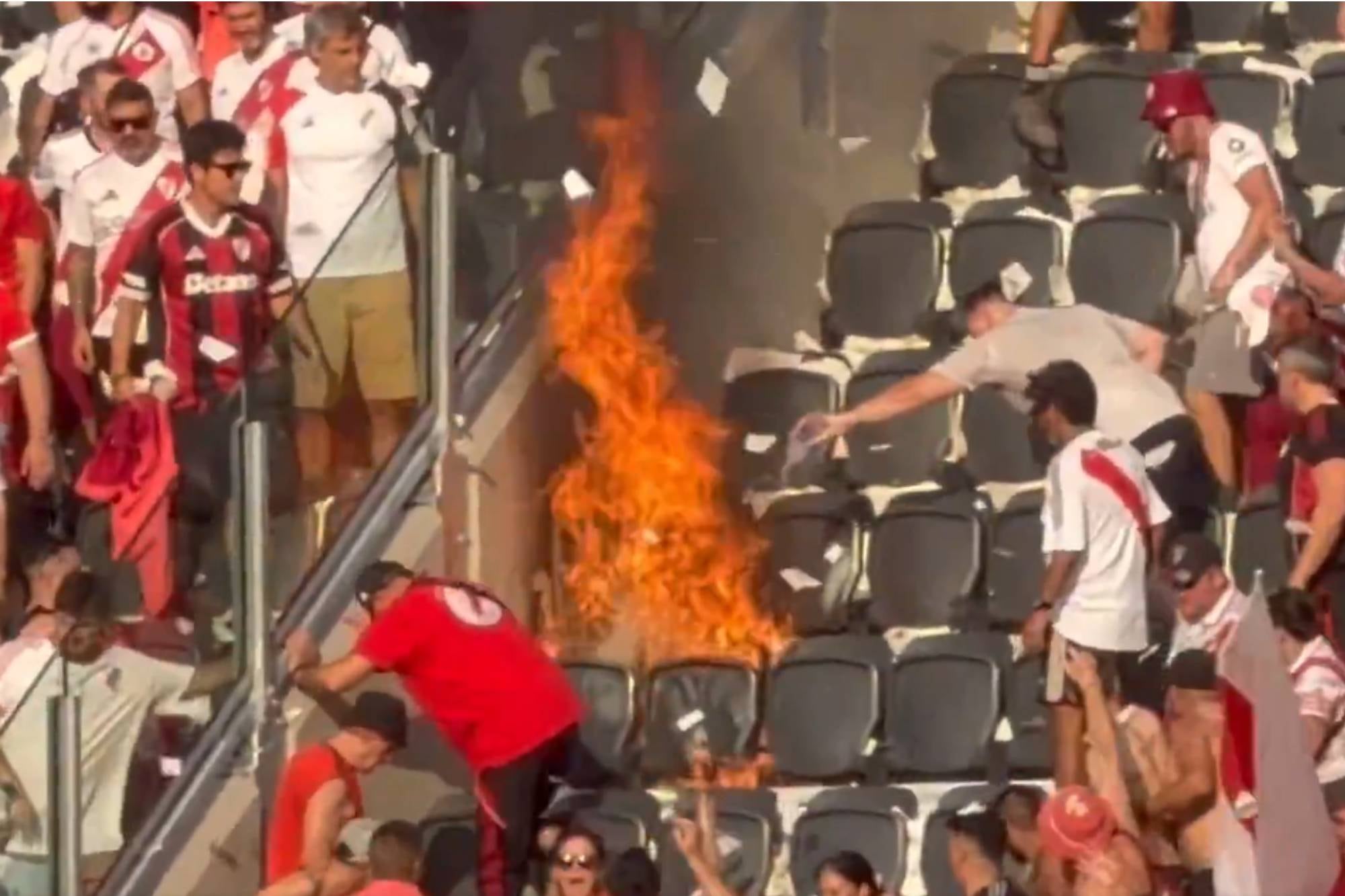
In a decisive move aimed at bolstering stadium safety, the Autonomous City of Buenos Aires' security committee has implemented a unanimous ban on the use of confetti in all city stadiums. This measure, enacted immediately, follows a recent incident at the Monumental stadium during the highly anticipated Superclásico match between River Plate and Boca Juniors, where a small fire broke out in the stands.
In virtue of the events that occurred during the match played last Sunday between Club Atlético River Plate and Club Atlético Boca Juniors - in which a fire broke out in a grandstand sector, which was quickly extinguished - an integral risk assessment associated with the use of cut confetti as a celebratory element has been carried out.
The committee, comprising representatives from the City Police, the Public Prosecutor's Office, and the Governmental Control Agency, cited the "potential risk of ignition" associated with confetti, particularly in densely populated areas. The incident at the Monumental, though quickly contained, served as a stark warning. Reports suggest the fire may have been sparked by a cigarette butt igniting the discarded confetti on the ground, highlighting the inherent dangers of such celebratory materials.
Even though the local club had pre-approved contingency protocols and adequate resources for their implementation, an incident occurred that concretely evidences the potential ignition risk that such materials imply in contexts of high public concentration.
Clubs have been formally notified of this prohibition, which extends to all areas accessible to the public, including stands and seating sections. The authorities have made it clear that no exceptions will be granted, reinforcing their commitment to preventing future incidents. This decision underscores a broader concern about safety within stadiums, with officials noting that "a good part of the incidents in stadiums are produced by the presence of fire."
Strict reasons for the safety of the attending public.
From an Argentinian perspective, this ban represents a significant shift in how football celebrations are conducted. While the thrill of a massive confetti shower is an iconic part of the fan experience, the safety concerns are undeniable. This decision prioritizes the well-being of spectators, a crucial consideration in a country where football is deeply ingrained in the culture and stadiums often host massive, passionate crowds. The focus now shifts to finding alternative, safer ways to express the fervent support that defines Argentinian football fandom.
No authorizations will be granted, in the future, for celebration actions that contemplate the use of the aforementioned elements.
DistantNews Editorial
Originally published by La Nación in Spanish. Translated, summarized, and contextualized by our editorial team with added local perspective. Read our editorial standards.
More Stories


From Our Blog

What Gets Lost (and Found) When News Is Translated

The Critical Role of Diaspora Media in Global News

What Travellers Should Know About Countries with Restricted Press

A Digital Nomad's Guide to Following Local News

How the Same Story Looks Different in Different Countries
