

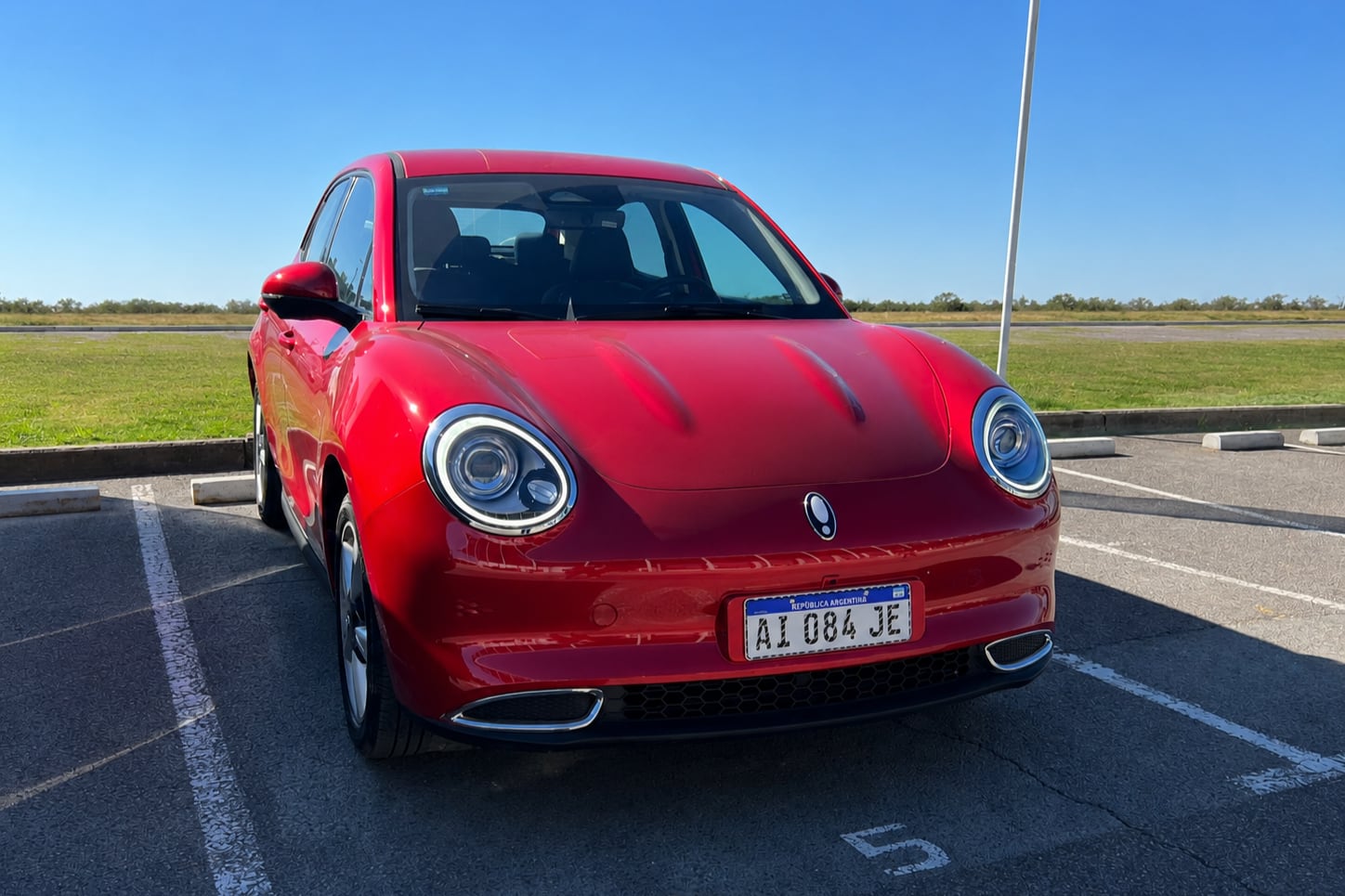

Confirmed in Florida: a highway will charge moving electric cars EV in motion thanks to a new pilot program that seems like science fiction
Translated from Spanish, summarized and contextualized by DistantNews.
At a glance
News
Named sources
Ongoing story
- Florida is launching a pilot program to test wireless charging for electric vehicles (EVs) on a section of highway.
- This technology, previously tested in Indiana and France, allows EVs to charge while in motion by transferring energy from coils embedded under the asphalt.
- The project aims to improve connectivity, support economic growth, and explore the integration of emerging technologies into road infrastructure.
Florida is set to become the next location to test groundbreaking wireless charging technology for electric vehicles (EVs) on a moving highway, following successful trials in Indiana and France. The Central Florida Expressway Authority (CFX) is incorporating this futuristic system into a less than one-mile stretch of the new State Road 516, also known as the Lake/Orange Expressway.
This innovative "Charge As You Drive" initiative operates by embedding energy-transferring coils beneath the road surface. These coils wirelessly charge specially adapted vehicles as they travel over them, creating a continuous power flow without the need for traditional charging stations or cables. The technology aims to provide an uninterrupted energy supply, a concept previously demonstrated on a 1.5-kilometer section of the A-10 highway near Paris.
The SR-516 project, which began construction in 2019 to connect Lake and Orange counties, is designed to enhance regional mobility, reduce travel times, and improve intermodal access. While the CFX has not released extensive details, initial testing of the wireless charging technology is anticipated to commence around 2029.
Beyond its technological advancements, the SR-516 is envisioned to support economic development, create jobs, and expand transportation options, including dedicated infrastructure for multi-use trails. The CFX views this pilot program as a "unique opportunity to understand how we adapt and design our roads to incorporate emerging technologies," particularly through the use of precast concrete panels that can accommodate such infrastructure. The project also prioritizes environmental considerations, including wildlife preservation areas and the use of native Florida plant species.
DistantNews Editorial
Originally published by Clarín in Spanish. Translated, summarized, and contextualized by our editorial team with added local perspective. Read our editorial standards.
More Stories
From Our Blog

What Gets Lost (and Found) When News Is Translated

The Critical Role of Diaspora Media in Global News

What Travellers Should Know About Countries with Restricted Press

A Digital Nomad's Guide to Following Local News

How the Same Story Looks Different in Different Countries
