


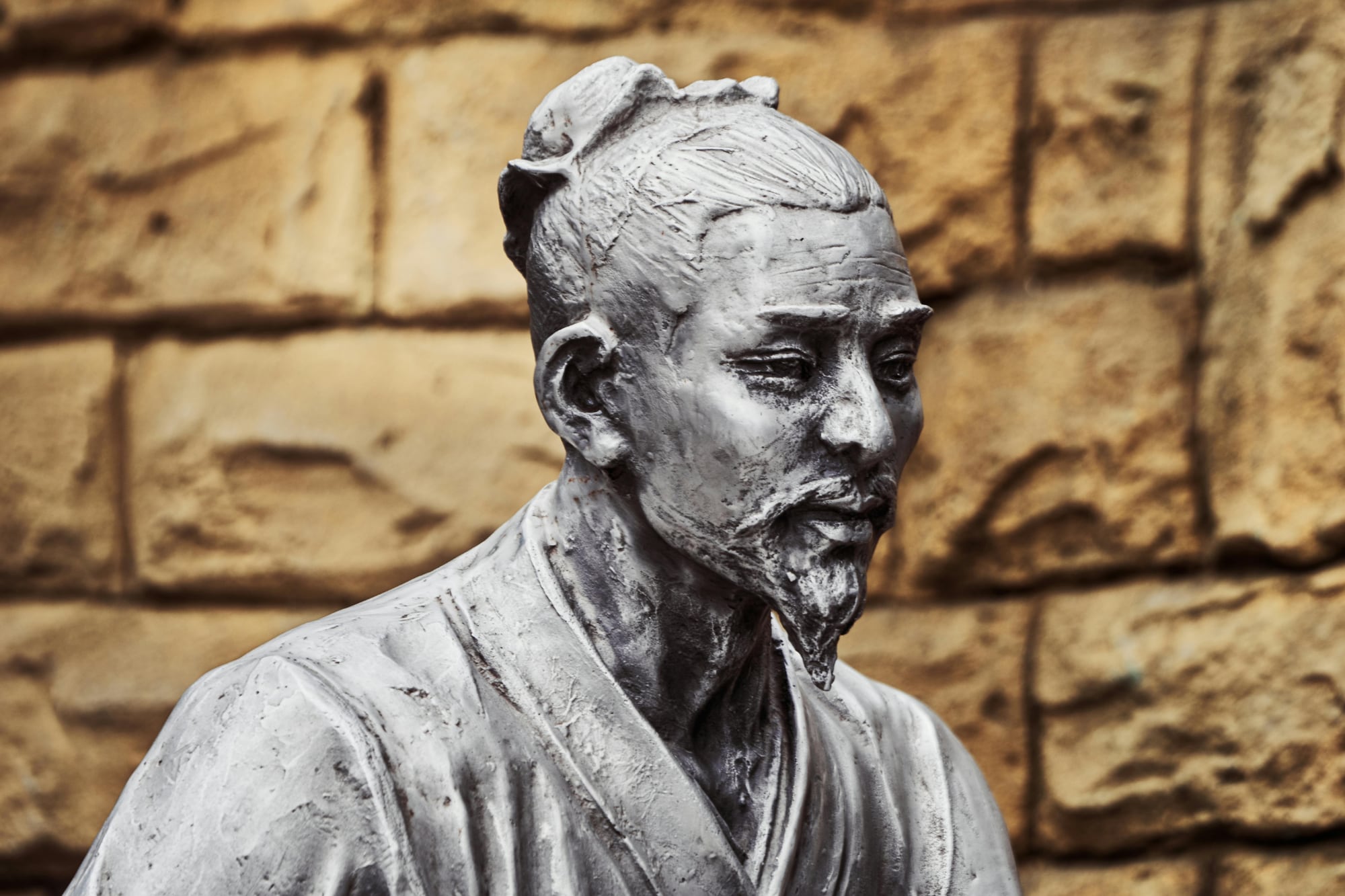
Confucius: 'He who demands much of himself and expects little of others, will keep resentment far away'
Translated from Spanish, summarized and contextualized by DistantNews.
At a glance
In-depth
Sources not specified
Context piece
- The quote emphasizes self-exigence and low expectations of others to avoid resentment.
- Confucianism's ideal person, the Junzi, takes responsibility for their own actions and growth.
- The philosophy advises against projecting personal standards onto others to prevent disappointment and conflict.
Confucius, the renowned Chinese philosopher, offered timeless wisdom on navigating social interactions and personal well-being, encapsulated in his famous saying: "He who demands much of himself and expects little of others will keep resentment far away." This adage, originating from his teachings compiled in the Analects during the 5th century BC, serves as a guide for maintaining inner peace and balanced relationships.
He who demands much of himself and expects little of others will keep resentment far away.
The Confucian ideal of the "Junzi," often translated as a "noble person" or "superior individual," is characterized by a commitment to self-reflection and accountability. A Junzi consistently seeks the root of problems within themselves rather than blaming others. This internal focus fosters personal responsibility for one's ethics and development, making one's value and peace of mind dependent on their own actions.
When you demand of yourself, you assume total responsibility for your actions, your ethics, and your growth. Your value and your peace of mind depend on your own actions, which makes you sovereign of your life.
Confucius's advice to "expect little of others" is not presented as cynicism but as a pragmatic approach rooted in realism and detachment. The philosophy suggests that resentment often stems not from others' actions themselves, but from the gap between those actions and one's own expectations. By projecting personal standards onto others, individuals create a script for how others should behave, leading to inevitable frustration and disappointment when this script is not followed.
When Confucius says 'Expect little from others,' it is not a cynical or pessimistic view of human beings, but one of realism and detachment.
While Confucius advocated for reciprocity, he understood that virtue is inherently asymmetrical. Since individuals have complete control over their own efforts but not over those of others, demanding the same level of commitment or moral standard from others as one offers oneself is presented as a direct path to conflict. Therefore, by managing and eradicating expectations, one eliminates the possibility of being let down, thereby preserving personal tranquility.
Resentment almost never arises from the actions of others, but from the distance between what the other did and what you expected them to do.
DistantNews Editorial
Originally published by La Nación in Spanish. Translated, summarized, and contextualized by our editorial team with added local perspective. Read our editorial standards.
More Stories



From Our Blog

What Gets Lost (and Found) When News Is Translated

The Critical Role of Diaspora Media in Global News

What Travellers Should Know About Countries with Restricted Press

A Digital Nomad's Guide to Following Local News

How the Same Story Looks Different in Different Countries
