


Congo: Ebola Outbreak Spreads to Provinces Haut-Uele and Tshopo
Summarized and contextualized by DistantNews.
At a glance
News
Named sources
New plan
- A study estimates over 2,700 people died in England and Wales due to heatwaves in May and June.
- Researchers linked 42% of these deaths to human-induced warming, with temperatures 3-4°C higher than they would have been otherwise.
- The study highlights the growing threat of climate change to public health, as the UK faces increasingly intense and frequent heatwaves.
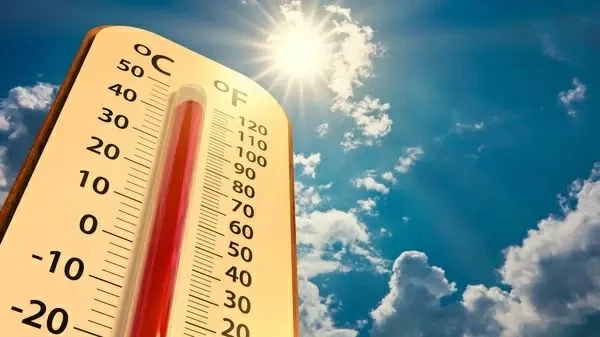
England and Wales may have experienced more than 2,700 heat-related deaths during the unusually early and intense heatwaves of May and June, according to a new study. Experts from Imperial College London, the Met Office, and the London School of Hygiene and Tropical Medicine collaborated on the research.
Using weather data, climate models, and studies on mortality during heatwaves, the researchers estimated the scale of the impact. Their findings suggest that approximately 550 deaths occurred between May 21 and 29, with a significantly higher number, nearly 2,200, between June 18 and 28. The study further estimates that 42% of these excess deaths were directly attributable to the additional heat caused by human-induced climate change.
More than 2,700 people are thought to have died from heat-related causes during the May and June heatwaves in England and Wales. Of those, it's estimated that 42% died as a result of the extra heat caused by human-induced warming.
Both May and June saw record-breaking temperatures in the UK and across western Europe. Mark McCarthy, science manager at the Met Office's climate attribution team, described the heatwaves as "exceptional" due to their intensity and early occurrence in the year. The study's models indicate that daytime temperatures were 3°C to 4°C higher than they would have been without global warming.
They were extreme heatwaves for the UK, and for all parts of western Europe, and they're particularly exceptional for the timing and how early in the year they occurred.
While the UK Health Security Agency will release its official figures based on death records, this study underscores the significant risks posed by extreme heat. Lea Berrang Ford, head of UKHSA's Centre for Climate and Health Security, noted that such models illustrate the "scale of risk associated with extreme heat and the growing threat climate change poses to our wellbeing."
This research comes as the Climate Change Committee previously warned that the UK is unprepared for climate change consequences. Their report projected that 92% of British homes could be too hot by 2050, recommending measures like maximum temperature limits in workplaces and investment in air conditioning for public buildings.
The study's models while they are not a measure of observed mortality, they help illustrate the scale of risk associated with extreme heat and the growing threat climate change poses to our wellbeing.
DistantNews Editorial
Originally published by Asharq Al-Awsat. Summarized and contextualized by our editorial team with added local perspective. Read our editorial standards.
More Stories


From Our Blog

What Gets Lost (and Found) When News Is Translated

The Critical Role of Diaspora Media in Global News

What Travellers Should Know About Countries with Restricted Press

A Digital Nomad's Guide to Following Local News

How the Same Story Looks Different in Different Countries
