

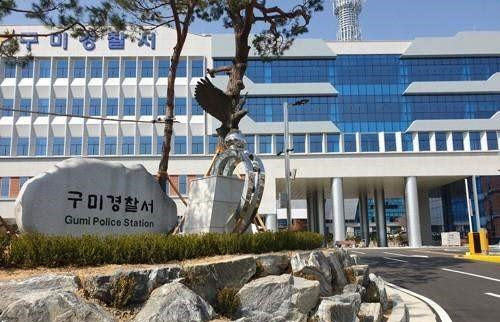

Constitutional Court to Review Prosecutors' Lost Investigative Powers After Opposition Appeal
Translated from Korean, summarized and contextualized by DistantNews.
At a glance
News
Named sources
In the courts
- South Korea's Constitutional Court has accepted a constitutional appeal against the revised Criminal Procedure Act, which abolishes prosecutors' investigative powers.
- The People Power Party filed the appeal, arguing the revision infringes upon fundamental rights and disrupts functional checks and balances in the justice system.
- The court's en banc review will now proceed to a full deliberation on the constitutionality of the law, set to take effect in October.
South Korea's Constitutional Court has formally accepted a constitutional appeal challenging the recently revised Criminal Procedure Act, which strips prosecutors of their investigative powers. The appeal was filed by the main opposition People Power Party on April 13. The court's plenary session will now begin a full review to determine the constitutionality of the law, which is scheduled to take effect in October.
The People Power Party argues that the revision violates several fundamental rights guaranteed by the constitution. Their claims include infringements on the principle of due process, the right to personal liberty, the right to a fair and speedy trial, the presumption of innocence, and the rights of criminal victims to participate in proceedings. They also contend that the law undermines the principle of functional separation of powers by weakening the prosecutor's role in overseeing and controlling police investigations.
The controversial amendment was passed by the ruling party-led National Assembly on July 31, with the People Power Party boycotting the vote. The Constitutional Court's decision to refer the case to the full nine-justice bench indicates that the appeal meets the basic procedural requirements for review. The court's deliberation will now focus on the substantive merits of the arguments presented by the People Power Party regarding the law's impact on the justice system and individual rights.
DistantNews Editorial
Originally published by Hankyoreh in Korean. Translated, summarized, and contextualized by our editorial team with added local perspective. Read our editorial standards.
More Stories


From Our Blog

What Gets Lost (and Found) When News Is Translated

The Critical Role of Diaspora Media in Global News

What Travellers Should Know About Countries with Restricted Press

A Digital Nomad's Guide to Following Local News

How the Same Story Looks Different in Different Countries
