


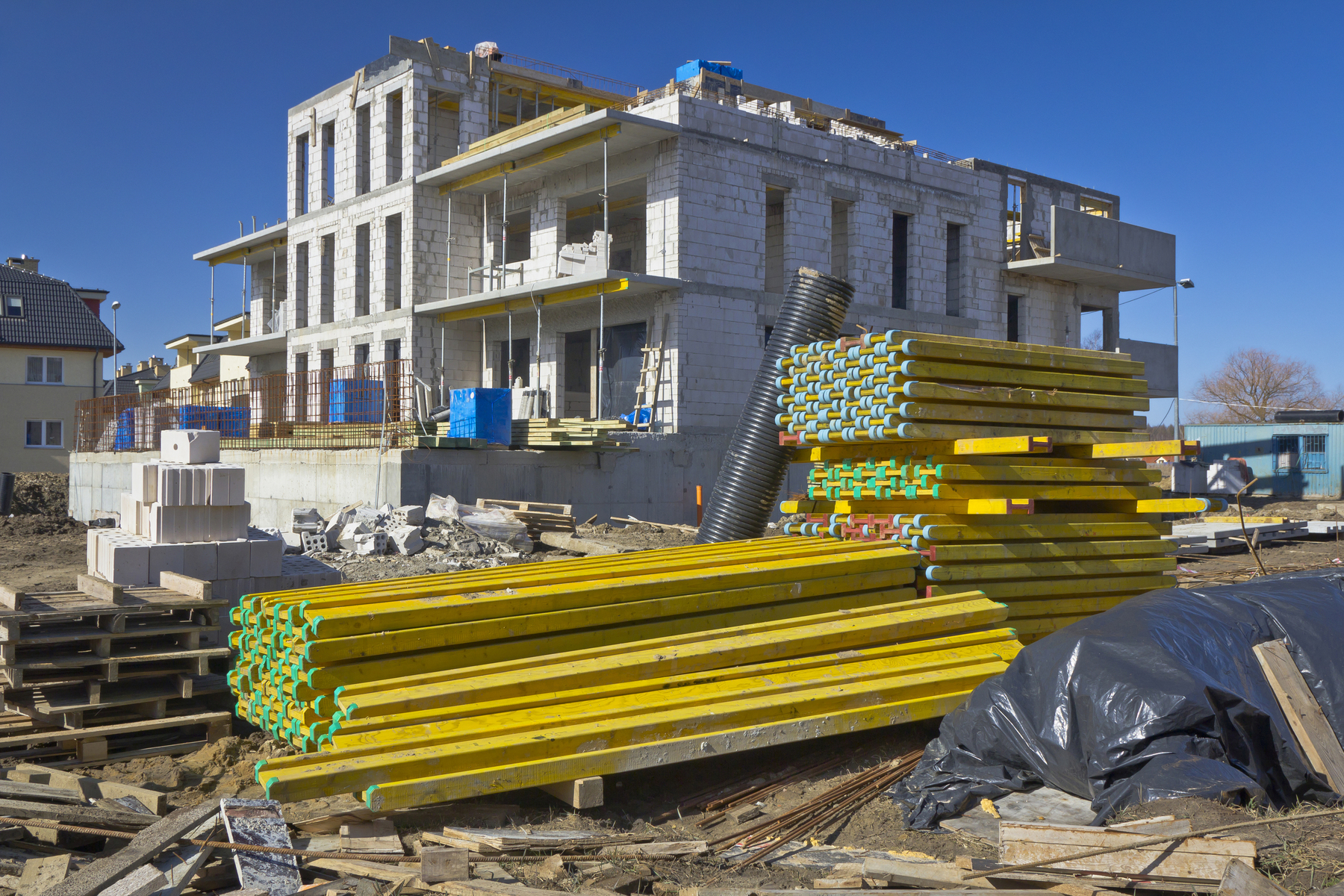
Construction industry struggles with risk-averse banks as problems mount
Translated from German, summarized and contextualized by DistantNews.
At a glance
News
Sources not specified
Context piece
- The construction industry faces significant challenges due to rising costs, complex regulations, and difficult financing.
- Banks are acting risk-averse, demanding higher equity ratios and showing little flexibility in financing new projects.
- Buyers are hesitant, preferring completed projects, which reduces early sales needed for financing and creates a trust deficit.
The Austrian construction sector is grappling with a confluence of challenges that are severely hindering the development of new projects. Rising construction costs, increasingly complex regulatory frameworks, and a persistently difficult financing landscape have created a perfect storm for developers. Clemens Biffl, spokesperson for the WKW (Austrian Association of Building Contractors), identifies the financing parameters as the core issue, citing demands for higher equity ratios, pre-sale targets, and a lack of differentiation between owner-occupied and rental financing.
The banks are currently acting extremely risk-averse, which makes the implementation of new projects even more difficult.
Financial institutions are currently exhibiting extreme risk aversion, making it significantly harder to implement new projects. Karina Schunker, managing director of EHL Wohnen, notes that banks are showing little flexibility, even with proposals like splitting financing between land and construction or utilizing balloon financing. This cautious approach by banks exacerbates the difficulties developers face in securing the necessary capital.
Compounding these issues, buyer behavior has shifted dramatically. Michael Neubauer, managing director of NOE Immobilien Development (NID), observes that many potential buyers are adopting a wait-and-see approach, showing a strong preference for already completed projects. This reluctance to commit early reduces the crucial pre-sale rates needed in the initial project phases, directly impacting the feasibility of securing financing. Neubauer explains that buyers lack confidence in whether projects will be completed as planned, creating a cycle where hesitation in purchasing affects financing, which in turn affects project realization.
Many potential buyers are acting hesitantly and prefer to opt for already completed projects. This reduces the pre-sale rates in the early project phase, a factor that in turn directly influences financing.
Developers are now prioritizing locations with high demand and favorable market conditions, focusing on attractive rental apartments and condominiums. The challenge has shifted from mere development to successfully positioning projects in the market under significantly more complex financial conditions, requiring a high degree of trust from buyers. The industry is seeking greater flexibility and trust from financial institutions to navigate these challenging times and ensure the continued development of housing.
The challenge today lies less in development itself, but in successfully positioning projects on the market under significantly more complex financial conditions and with a high degree of trust.
DistantNews Editorial
Originally published by Die Presse in German. Translated, summarized, and contextualized by our editorial team with added local perspective. Read our editorial standards.
More Stories



From Our Blog

What Gets Lost (and Found) When News Is Translated

The Critical Role of Diaspora Media in Global News

What Travellers Should Know About Countries with Restricted Press

A Digital Nomad's Guide to Following Local News

How the Same Story Looks Different in Different Countries
