

Continuous Electricity Supply at Risk Due to El Niño, Sri Lanka Explores Renewables
Translated from Sinhala, summarized and contextualized by DistantNews.
At a glance
News
Sources not specified
Ongoing story
- Sri Lanka faces a potential electricity crisis due to the El Niño phenomenon, which could reduce hydropower generation.
- The Public Utilities Commission is exploring renewable energy sources as a solution to maintain an uninterrupted power supply.
- The commission anticipates a deficit in battery storage systems, estimated at around 450 megawatts.
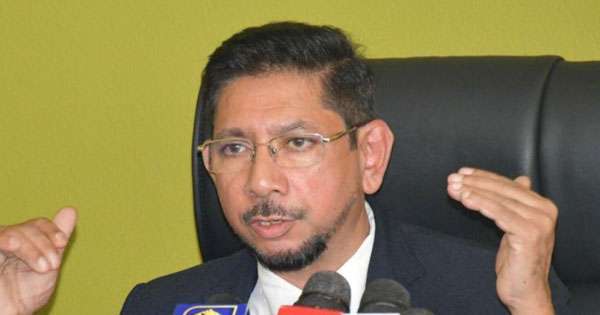
Sri Lanka's continuous electricity supply is at risk due to the anticipated impacts of the El Niño phenomenon, according to Professor K.P.L. Chandralal, Chairman of the Public Utilities Commission.
Due to the impact of the El Niño phenomenon, there could be a problem with the continuous electricity supply in the country in the future, and if so, there is a risk of power cuts.
Speaking at a press conference, Professor Chandralal explained that El Niño could lead to increased electricity demand while simultaneously reducing hydropower generation. This combination poses a significant threat to the nation's power stability. He further noted that the country might face a deficit in battery storage systems, estimated to be around 450 megawatts.
Electricity demand could increase due to the El Niño phenomenon, and at the same time, there could be a decrease in the amount of electricity produced by hydropower.
To mitigate this potential crisis, the commission is actively seeking solutions through renewable energy sources. Professor Chandralal stated that plans are in place to utilize renewable energy production to the maximum extent possible to avoid power outages.
Considering all these factors, there could be a deficit in battery storage systems of about 450 megawatts.
The introduction of a "renewable energy tariff system" is expected to be a primary solution to address the anticipated electricity shortage. The commission is working to secure renewable energy as quickly as possible to ensure a stable power supply for the country.
We expect that the primary solution to this problem will be the introduction of a renewable energy 'feed-in tariff system'.
DistantNews Editorial
Originally published by Lankadeepa in Sinhala. Translated, summarized, and contextualized by our editorial team with added local perspective. Read our editorial standards.
More Stories
From Our Blog

What Gets Lost (and Found) When News Is Translated

The Critical Role of Diaspora Media in Global News

What Travellers Should Know About Countries with Restricted Press

A Digital Nomad's Guide to Following Local News

How the Same Story Looks Different in Different Countries
