


Coolcations: Vacations in the cold. Heatwaves boost interest in a new trend
Translated from Polish, summarized and contextualized by DistantNews.
At a glance
News
Named sources
Context piece
- Intense heatwaves and wildfires across Europe are driving a new tourism trend known as 'coolcations,' with travelers seeking cooler destinations.
- Studies show that tourists who experience extreme heat in popular destinations like Spain are less likely to return, prompting a shift in travel preferences.
- This trend highlights the growing impact of climate change on the tourism industry, pushing the sector to adapt to changing weather patterns and traveler behavior.
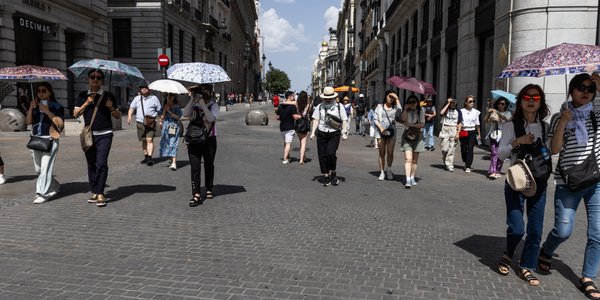
Europe is experiencing a significant shift in tourism trends, with travelers increasingly seeking cooler destinations to escape record-breaking heatwaves and devastating wildfires. The phenomenon, dubbed 'coolcations,' reflects a growing discomfort with extreme temperatures that have plagued popular southern European destinations.
Recent events, including widespread wildfires in France and Spain that forced mass evacuations, and temperatures regularly exceeding 40 degrees Celsius in the Mediterranean region, are making traditional summer holidays untenable for many. While Poland has experienced some heatwaves, regions like Italy face red alerts, and Greece anticipates severe storms following the heat, highlighting the volatile weather conditions.
But this leading position coexists with an important structural challenge: climate change. (...) Much of the industry's charm is due to climatic conditions – which are now changing at a rapid pace.
Research indicates a direct correlation between extreme heat and reduced tourist return rates. A study analyzing credit card usage in Spain found that tourists experiencing temperatures significantly above the average were less likely to revisit. Initially, an 8-degree Celsius deviation reduced return probability by 13.8%. More recent data suggests that even a 4-degree Celsius increase can decrease the likelihood of a return visit by 15%, indicating a heightened sensitivity to heat among travelers.
This evolving traveler behavior poses a structural challenge to tourism-dependent economies, particularly in southern Europe. As climate change intensifies, the industry faces pressure to adapt. Experts note that while the post-pandemic tourism rebound has been strong, the sector's reliance on favorable climatic conditions is becoming a liability. Consequently, there is a noticeable trend of tourists opting for northern European locales or destinations less affected by extreme heat, signaling a potential long-term restructuring of European travel patterns.
In particular, when the temperature exceeded the long-term average by 8 degrees Celsius – which we consider extreme heat – the probability of a repeat visit decreased by 13.8%.
DistantNews Editorial
Originally published by Rzeczpospolita in Polish. Translated, summarized, and contextualized by our editorial team with added local perspective. Read our editorial standards.
More Stories



From Our Blog

What Gets Lost (and Found) When News Is Translated

The Critical Role of Diaspora Media in Global News

What Travellers Should Know About Countries with Restricted Press

A Digital Nomad's Guide to Following Local News

How the Same Story Looks Different in Different Countries
