

Cordon Sanitaire, Firewall, Coalitions – How Europe's Mainstream Fights the Right
Translated from Hungarian, summarized and contextualized by DistantNews.
At a glance
Analysis
Named sources
Context piece
- The article discusses the "cordon sanitaire" strategy employed by mainstream European politics against the far-right, particularly Marine Le Pen's National Rally in France.
- It analyzes the historical context of anti-far-right sentiment in France, stemming from WWII experiences and the influence of the '68 leftist elite.
- The piece notes a growing disillusionment with political elites in France, leading some voters to consider alternatives like the National Rally, which is described as increasingly focused on social issues while retaining a radical edge.
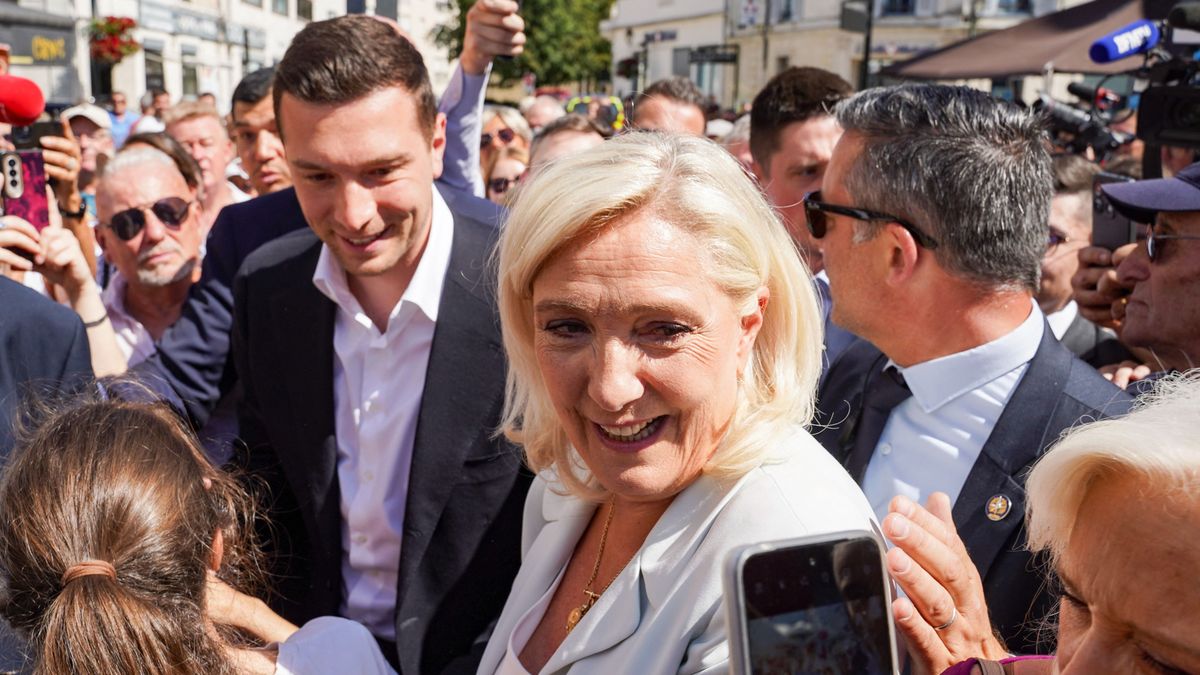
Mainstream European politics, particularly in France, has long employed a "cordon sanitaire" – a political and social barrier – to isolate and counter the far-right. This strategy has been particularly directed at Marine Le Pen's National Rally (formerly National Front), a party with deep historical roots dating back to the 1970s, largely shaped by Jean-Marie Le Pen. While Marine Le Pen has attempted to "exorcise" the party's more extreme image, its symbolic association with the far-right persists.
I would no longer consider the National Rally a truly right-wing party; Le Pen today pursues a more left-wing policy, is much more sensitive to social issues, but at the same time there is a kind of radicalism and a kind of thinking in her politics that suggests opposition to the existing order.
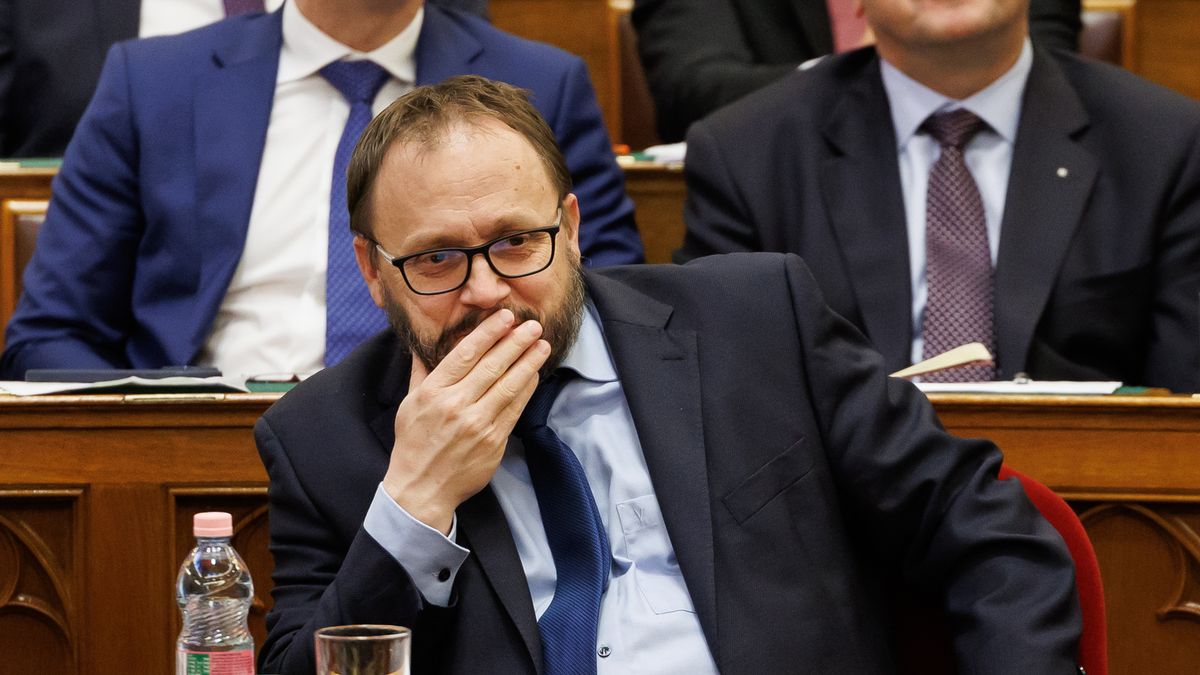
Expert Gergely Fejérdy notes that the National Rally, under Le Pen's leadership, has shifted its focus. While retaining a radicalism and a stance against the established order, the party now emphasizes social issues, making it less of a purely right-wing entity and more attuned to social concerns. This evolution complicates the traditional opposition from centrist and left-wing parties, who find themselves confronting a movement that blends radicalism with social sensitivity.
The historical trauma of World War II and the German occupation significantly shaped French political consciousness. The legacy of Nazi excesses and French collaboration remains a sensitive topic, fueling a deep-seated fear of the far-right, particularly among the '68 leftist elite who perpetuated this concern for decades. While this apprehension has begun to ease in recent years, the historical weight continues to influence contemporary political dynamics.
France was very much traumatized by the events of World War II: the German occupation lasted for a long time from 1940. The excesses of the Nazi empire in France and the question of French participation in it are still sensitive topics today.
Fejérdy observes a profound disillusionment among the French populace with their political elite over the past two decades. Many feel that both left- and right-leaning parties have failed to provide effective solutions to national challenges. This widespread dissatisfaction has led a segment of the electorate to consider parties like the National Rally, which, despite its past, presents itself as an alternative capable of addressing issues that established parties have not resolved. Le Pen and Jordan Bardella are currently among France's most popular politicians, indicating the National Rally's significant appeal.
The French society in the last, especially twenty years, but certainly in the last ten, has become very disillusioned with the political elite, as very often the same parties, whether right or left, generally in the center, have provided the same non-solution-providing answers to challenges.
DistantNews Editorial
Originally published by Magyar Nemzet in Hungarian. Translated, summarized, and contextualized by our editorial team with added local perspective. Read our editorial standards.
More Stories
From Our Blog

Countries Without a Free Press: What You Need to Know

What Press Freedom Means for the News You Read

What Gets Lost (and Found) When News Is Translated

The Critical Role of Diaspora Media in Global News

What Travellers Should Know About Countries with Restricted Press
