

Cosmin Ghiță, Nuclearelectrica: Romania banks on SMRs, Generation IV reactors, and Cernavodă expansion
Translated from Romanian, summarized and contextualized by DistantNews.
At a glance
News
Sources not specified
Context piece
- Romania's nuclear energy chief, Cosmin Ghiță, emphasizes the necessity of massive investments in nuclear power for Europe's climate and energy security goals.
- Ghiță highlights Romania's strategic position in developing multiple advanced nuclear technologies, including Small Modular Reactors (SMRs) and Generation IV reactors.
- He notes that while projects advance with government collaboration, administrative delays need to be addressed to meet commitments.
Europe cannot achieve its climate and energy security objectives without substantial investments in nuclear power, according to Cosmin Ghiță, CEO of Nuclearelectrica, Romania's national nuclear energy company. In a public statement, Ghiță stressed that the energy transition critically depends on this technology, asserting that "Europe needs more nuclear energy."
He explained that all credible decarbonization scenarios converge on the conclusion that climate goals, energy security, and economic competitiveness are unattainable without significant nuclear investments. Ghiță highlighted nuclear energy's role as a stable, carbon-free power source with a long operational lifespan of 60-80 years. He also pointed out that when considering life-cycle costs, nuclear remains one of the most competitive electricity sources, contrasting it with many renewable technologies that have shorter lifespans and require higher support levels.
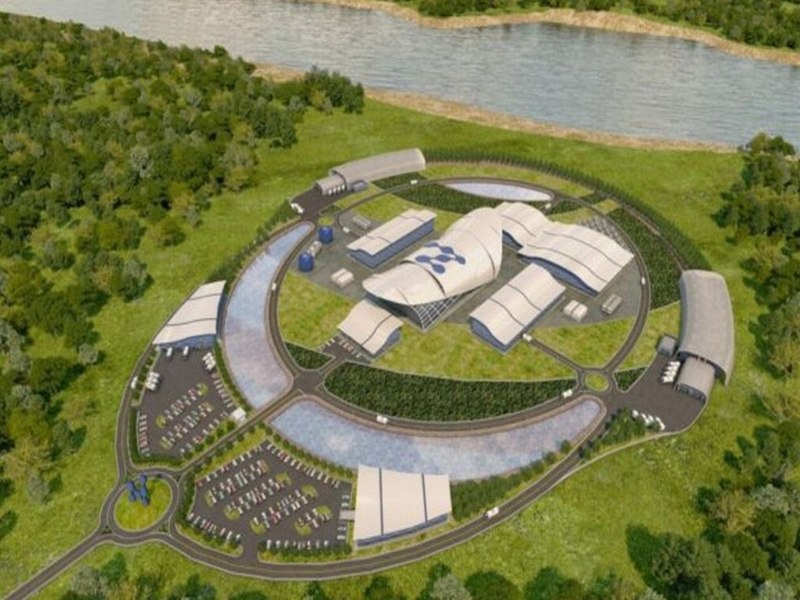
Ghiță positioned Romania as a unique global player in developing advanced nuclear technologies. The country is simultaneously advancing several strategic nuclear projects. These include the development of Europe's first Small Modular Reactor (SMR) at Doicești, located on the site of a former coal-fired power plant. This SMR project has received positive evaluations from the International Atomic Energy Agency (IAEA) and could potentially host various advanced nuclear technologies.
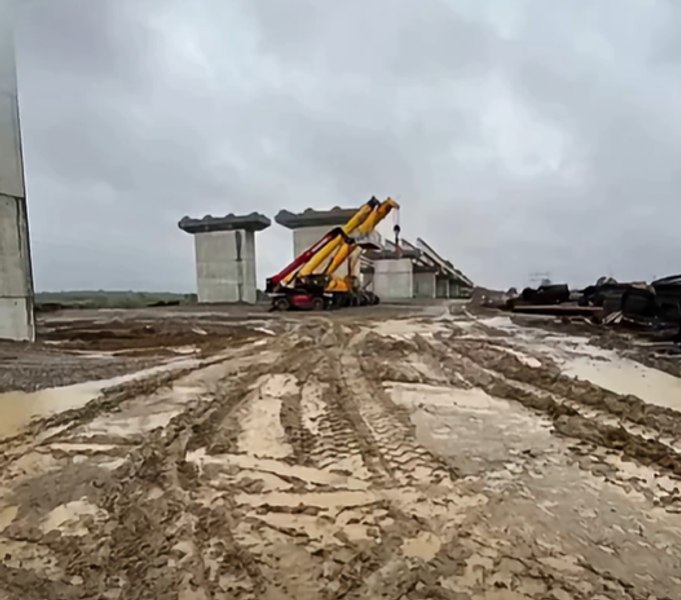
Additionally, Romania is involved in the ALFRED project in Mioveni, considered a key European Generation IV project focusing on lead-cooled fast reactors. In parallel, efforts continue to refurbish Unit 1 at the Cernavodă plant and develop Units 3 and 4, projects deemed essential for Romania's energy security and decarbonization targets. Ghiță mentioned that these strategic projects are progressing in collaboration with the Romanian government, but he also cautioned about administrative delays that need resolution to fulfill commitments made through parliamentary-approved support agreements.
multe tehnologii regenerabile au o durată de viață semnificativ mai redusă și necesită niveluri mai ridicate de sprijin și subvenționare per MWh pe parcursul existenței lor.
DistantNews Editorial
Originally published by Adevărul in Romanian. Translated, summarized, and contextualized by our editorial team with added local perspective. Read our editorial standards.
More Stories
From Our Blog

What Gets Lost (and Found) When News Is Translated

The Critical Role of Diaspora Media in Global News

What Travellers Should Know About Countries with Restricted Press

A Digital Nomad's Guide to Following Local News

How the Same Story Looks Different in Different Countries
