


Costantini: Argentina Could See Long Period of Cheap Dollar if Stabilized
Translated from Spanish, summarized and contextualized by DistantNews.
At a glance
News
Named sources
Context piece
- Argentine businessman Eduardo Costantini believes the country could see a prolonged period of a cheap dollar if it stabilizes and attracts significant foreign investment.
- Costantini highlighted the growth potential in energy, mining, and the knowledge economy, projecting exports to reach $100 billion this year.
- He noted that while fiscal balance has reduced consumption growth, it is paving the way for increased investment, with a U.S. company announcing a $13 billion energy investment.
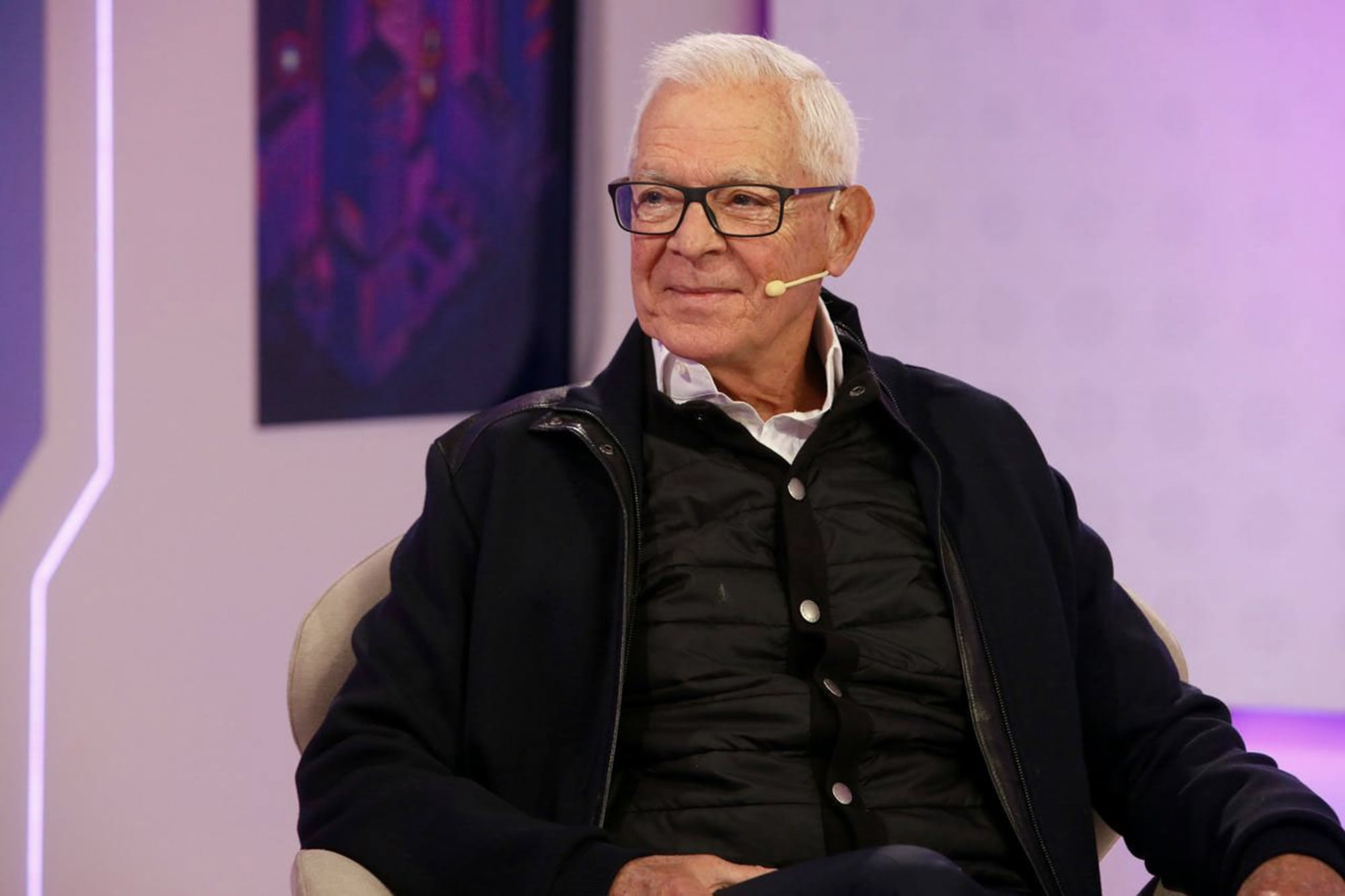
Eduardo Costantini, a prominent Argentine entrepreneur, expressed optimism about the nation's economic future, predicting a sustained period of a "cheap dollar" if the country achieves stability and attracts substantial foreign investment. The 79-year-old founder of Consultatio, known for developing large-scale projects like Nordelta and Puertos, shared his forward-looking perspective during the LA NACION Real Estate Summit.
Costantini pointed to the burgeoning energy, mining, and knowledge economy sectors as key drivers for growth. He projected that Argentina's exports could reach $100 billion this year, a significant increase from the previous year's $87 billion. "I believe that, if Argentina gets on track and stabilizes, we will have a cheap dollar for a long time, because a large amount of dollars can come in," he stated, contrasting Argentina's $3 billion in foreign direct investment with Brazil's $78 billion.
I believe that, if Argentina gets on track and stabilizes, we will have a cheap dollar for a long time, because a large amount of dollars can come in.
He acknowledged the dual nature of the current economic landscape. While fiscal discipline has led to reduced subsidies and a slowdown in disposable income growth, Costantini sees this as a necessary step toward prioritizing investment over consumption. "Fiscal balance has led to a reduction in the increase of disposable income due to the increase in all services and the reduction of subsidies. This puts us in a situation where consumption is growing less than investment," he explained. Despite challenges, a U.S. company's announcement of a $13 billion investment in the energy sector underscores the potential for significant capital inflow.
Fiscal balance has led to a reduction in the increase of disposable income due to the increase in all services and the reduction of subsidies. This puts us in a situation where consumption is growing less than investment.
DistantNews Editorial
Originally published by La Nación in Spanish. Translated, summarized, and contextualized by our editorial team with added local perspective. Read our editorial standards.
More Stories


From Our Blog

What Gets Lost (and Found) When News Is Translated

The Critical Role of Diaspora Media in Global News

What Travellers Should Know About Countries with Restricted Press

A Digital Nomad's Guide to Following Local News

How the Same Story Looks Different in Different Countries
