

When the challenge is no longer building buildings, but transforming a city
Translated from Spanish, summarized and contextualized by DistantNews.
At a glance
News
Sources not specified
Context piece
- Real estate developers discussed how projects can transform urban environments beyond just building structures.
- Speakers highlighted the need for infrastructure, services, and community solutions to accommodate rapid population growth.
- Successful urban transformation requires projects to integrate with and connect existing city sectors.
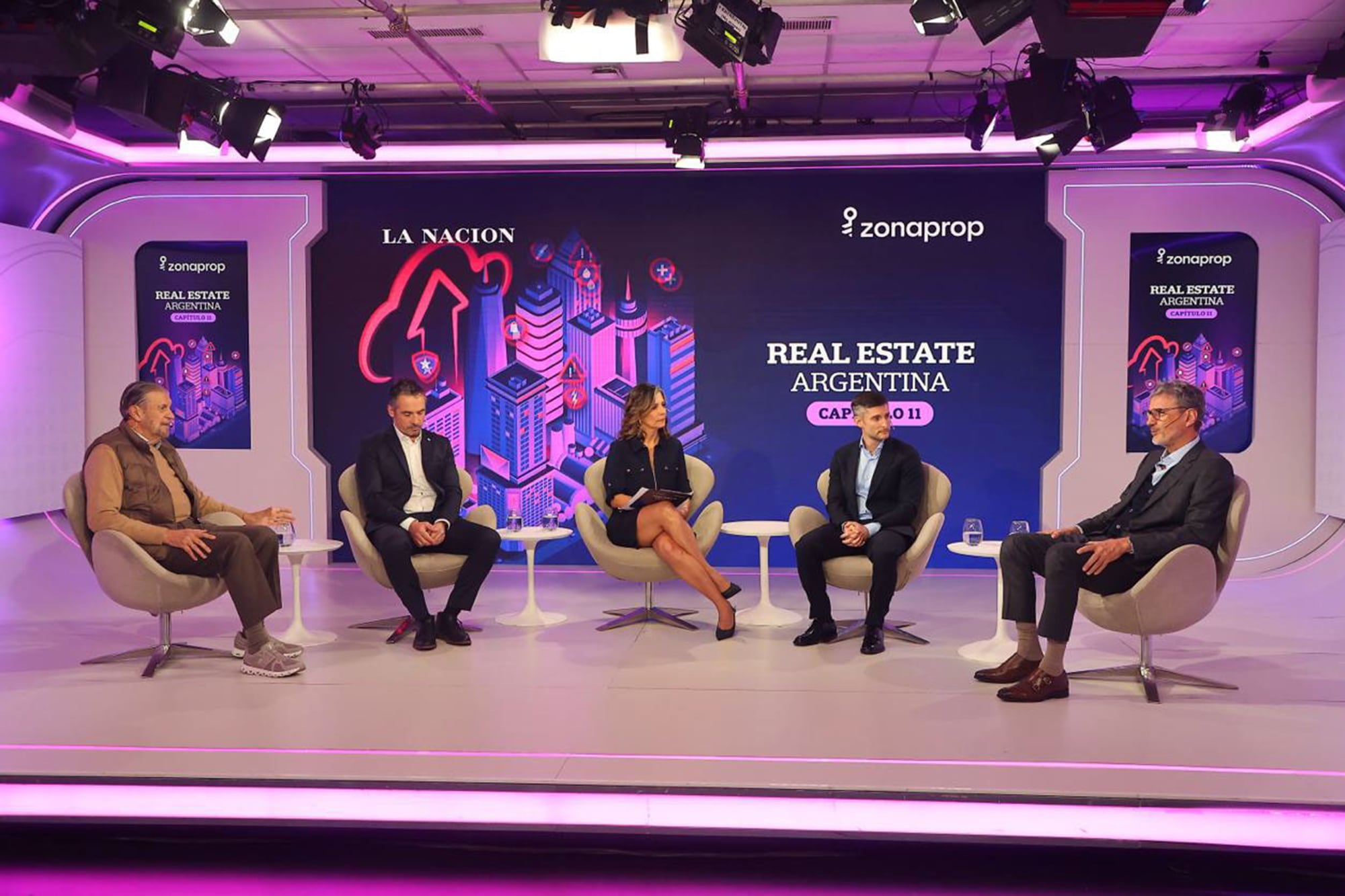
The discussion at the 11th LA NACION Real Estate Summit focused on how property developments can transcend mere investment to become powerful tools for urban transformation. Panelists explored the challenge of planning projects that foster long-term urban change, moving beyond the construction of isolated buildings.
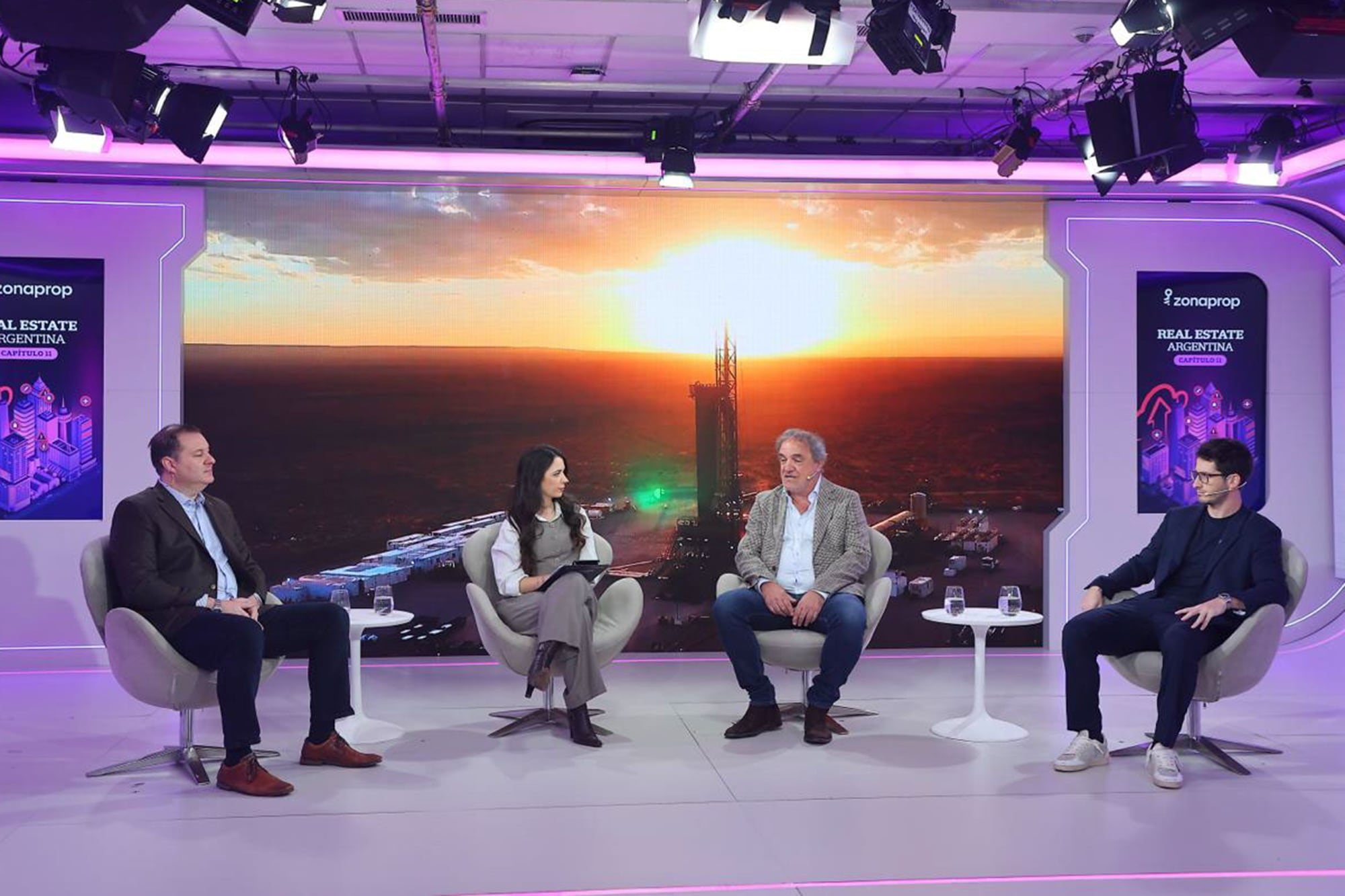
Lucas Salvatore, president of Idero, cited the accelerated growth of Añelo in Vaca Muerta as a prime example. The town's population has surged from 800 residents 10 years ago to an estimated 15,000 today, with projections reaching 45,000 to 50,000 by 2032. This exponential expansion necessitates a complete overhaul of infrastructure and habitability, requiring developers to think beyond housing and provide comprehensive community solutions.
If we look at Añelo, which is in the heart of Vaca Muerta, 10 years ago there were 800 inhabitants, today there are 15,000 and it is projected that there will be between 45,000 and 50,000 by 2032.
Ricardo Griot, CEO of Grupo Pecam, echoed this sentiment, emphasizing the role of master-planned developments. These large-scale interventions allow for the development of entire land tracts, incorporating essential elements like streets, public squares, urban amenities, and new services. Griot's company applies this logic to its major projects in Rosario.
We have a vision of transforming through construction on a large scale.
Jeremías González Toledo, commercial director of Inarch, presented a different approach focused on connecting already established urban areas. His firm's Vía Viva project, situated beneath the Mitre train viaduct, aims to link diverse sectors of Buenos Aires, from the Barrio Chino to the area near the Hippodrome. González Toledo stressed that such projects must remain connected to their surroundings and understand the unique characteristics and flows of people within each zone.
Despite their distinct approaches, addressing rapid growth in Añelo, large-scale planning in Rosario, and urban connectivity in Buenos Aires, the developers agreed on the fundamental need for thoughtful urban planning to guide city growth effectively.
For me, the key is that the project cannot forget or stop communicating with the environment.
DistantNews Editorial
Originally published by La Nación in Spanish. Translated, summarized, and contextualized by our editorial team with added local perspective. Read our editorial standards.
More Stories

From Our Blog

What Gets Lost (and Found) When News Is Translated

The Critical Role of Diaspora Media in Global News

What Travellers Should Know About Countries with Restricted Press

A Digital Nomad's Guide to Following Local News

How the Same Story Looks Different in Different Countries
