

Costly but effective: Vienna's Lueger monument tilted 3.5 degrees in provocative art intervention
Translated from German, summarized and contextualized by DistantNews.
At a glance
Opinion
Named sources
Context piece
- A controversial monument of Vienna's first populist, antisemitic mayor, Karl Lueger, has been tilted 3.5 degrees as part of a new artistic intervention.
- The costly intervention, costing 770,000 euros, aims to destabilize the monument's traditional presentation and provoke thought.
- The artist's subtle but clear manipulation is intended to make viewers question the monument's stability and Lueger's legacy, reflecting contemporary issues like the rise of the right and antisemitism.
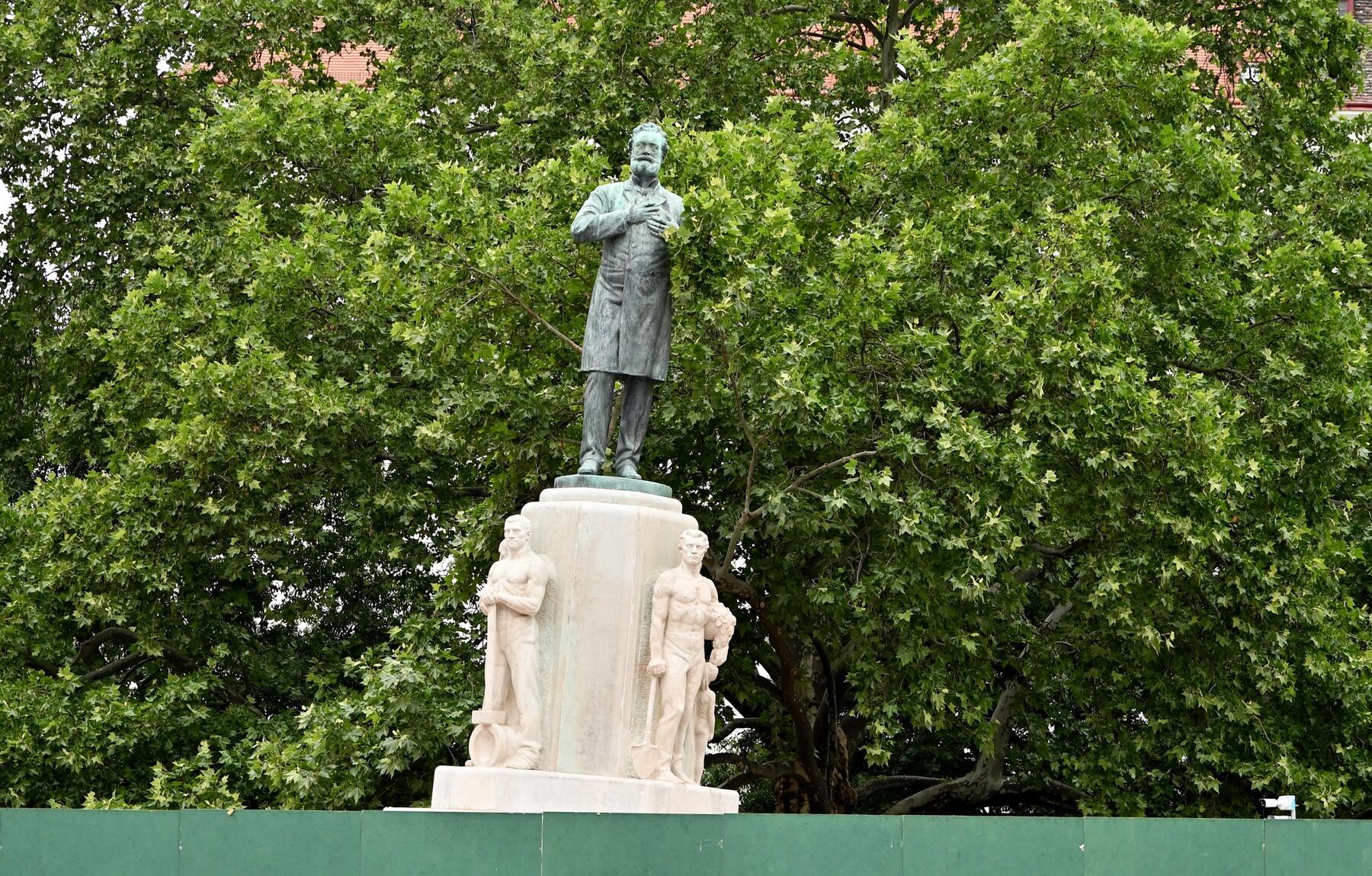
A controversial monument to Vienna's first populist and antisemitic mayor, Karl Lueger, has undergone a radical artistic transformation, tilted 3.5 degrees to destabilize its traditional presentation. The recently unveiled intervention, which cost 770,000 euros, aims to provoke critical reflection on Lueger's legacy and its relevance today.
The effect is: phenomenal! Everyone sees that something is not right here, that something is going on.
The artist, Klemens Wihlidal, deliberately chose the 3.5-degree angle to create a subtle yet unmistakable sense of unease. The monument, now appearing to teeter precariously, forces viewers to question whether Lueger is falling or perhaps righting himself. This aesthetic manipulation is described as a timeless and universally readable intervention that speaks volumes about contemporary society, both locally and internationally.
The high cost of the intervention is seen by some as a guarantee of its lasting impact. Unlike easily removable graffiti or temporary coverings, reversing this subtle shift would be equally expensive, making it difficult to undo. This financial barrier is intended to ensure the "instability" of the monument's message persists.
Lueger is captured exactly in the moment when one asks: Is he falling? Or is he, like a "Stehaufmännchen" (a resilient person), righting himself again?
This artistic act engages with ongoing debates about how to handle historical monuments associated with problematic figures. It also serves as a commentary on the resurgence of right-wing movements and antisemitism globally. The intervention suggests that Lueger and his ideology cannot simply be hidden or removed but remain a present force, even if the monument is defaced or damaged again.
A subtly aesthetic, yet clearly recognizable and timelessly and universally readable intervention, which says a lot about our time, socially and politically, locally and internationally.
DistantNews Editorial
Originally published by Die Presse in German. Translated, summarized, and contextualized by our editorial team with added local perspective. Read our editorial standards.
More Stories


From Our Blog

What Gets Lost (and Found) When News Is Translated

The Critical Role of Diaspora Media in Global News

What Travellers Should Know About Countries with Restricted Press

A Digital Nomad's Guide to Following Local News

How the Same Story Looks Different in Different Countries
