


Could Andean Glacial Lakes Pose the Next Disaster Risk After Nepal? Experts Warn Cities Could Be Hit in Under an Hour
Translated from Korean and summarized by DistantNews. Read the original for the full story.
At a glance
News
Named sources
Ongoing story
- Experts warn that glacier retreat and unstable geological conditions are increasing the risk of glacial-lake floods and landslides in Chile, Argentina and Peru.
- The hazards could threaten residents, drinking-water supplies and energy infrastructure, with some floods potentially reaching urban areas in less than an hour.
- Peru has 528 lakes considered at risk of outburst flooding, including 58 classified as high risk, while monitoring and protective infrastructure remain uneven.
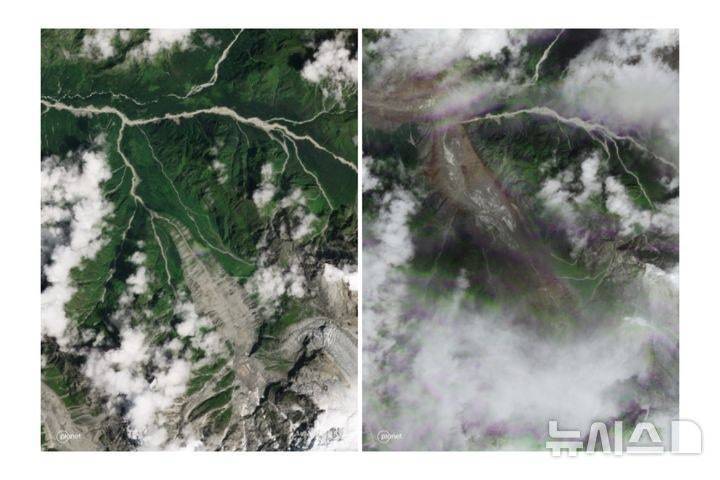
After a devastating flood in Nepal linked to Himalayan glacier collapse, scientists and geologists are warning that the Andes could face similar disasters. Rapid glacier retreat is creating unstable lakes and exposing broad slopes of loose rock across Chile, Argentina and Peru.
As global temperatures rise, experts say the exposed terrain faces a greater risk of collapse. A sudden flood or landslide through a mountain valley could threaten thousands of people in vulnerable areas, as well as drinking-water systems and energy projects.
In Argentina, the main glacier-related risk is concentrated in Patagonia. The tourist city of El Chaltén is considered vulnerable because a collapse on the unstable slopes of Cerro Solo could affect nearby Lake Torre. Lakes formed as large glaciers such as Upsala retreat are also being watched. In 2013, the collapse of a glacial channel produced tsunami-sized waves in Lake Onelli.
Chile, which has more than 26,000 glaciers, faces risks in Patagonia and central Chile. Remote areas of Aysén and Magallanes have seen more unstable lakes held back by fragile natural dams as the Northern and Southern Patagonian ice fields retreat. Central Chile has smaller watersheds, but its concentration of hydropower plants, mining facilities and water-supply infrastructure raises the potential impact.
Peru is considered the South American country most exposed to glacial-lake flooding. Paola Moschella of Peru’s National Institute for Research on Glaciers and Mountain Ecosystems said 528 lakes face an outburst risk, including 58 in the high-risk category. The Palcacocha Lake near Huaraz contains more than 17 million cubic meters of water and lies close to a city of more than 120,000 people. A large ice avalanche into the lake could generate a wave that breaches its natural barrier and sends floodwaters into the urban area in less than an hour.
The Andes have already experienced deadly glacier-related disasters. A 1941 flood destroyed about a third of Huaraz and killed thousands. In 2005, a sudden release from Argentina’s Laguna de los Erizos sent more than 31 million cubic meters of water downstream within 67 minutes, sweeping across more than 250 kilometers. Peru has expanded high-altitude monitoring and satellite surveillance, but experts say older flood-control structures may no longer withstand the increased inflows caused by melting glaciers.
In Chile, especially in Patagonia, several emergencies have been reported involving glacial-lake outburst floods and events caused by glaciers melting or collapsing.
About this summary
Originally published by Dong-A Ilbo in Korean. Translated, summarized, and contextualized automatically by DistantNews, with a note on how the source frames the story. Not individually reviewed before publishing. How this works.
More Stories



From Our Blog

What Gets Lost (and Found) When News Is Translated

The Critical Role of Diaspora Media in Global News

What Travellers Should Know About Countries with Restricted Press

A Digital Nomad's Guide to Following Local News

How the Same Story Looks Different in Different Countries
