


Council of Europe demands human rights safeguards for Austria's 'Return Hubs'
Translated from German, summarized and contextualized by DistantNews.
At a glance
News
Named sources
New plan
- The Council of Europe's human rights commissioner urged four conditions for states establishing "Return Hubs" for rejected asylum seekers.
- These conditions include comprehensive human rights risk assessments, independent monitoring, legally binding agreements with human rights clauses, and parliamentary, public, and judicial oversight.
- Austria, Germany, Denmark, Greece, and the Netherlands aim to finalize a plan for these third-country centers by year-end and implement them in 2027.
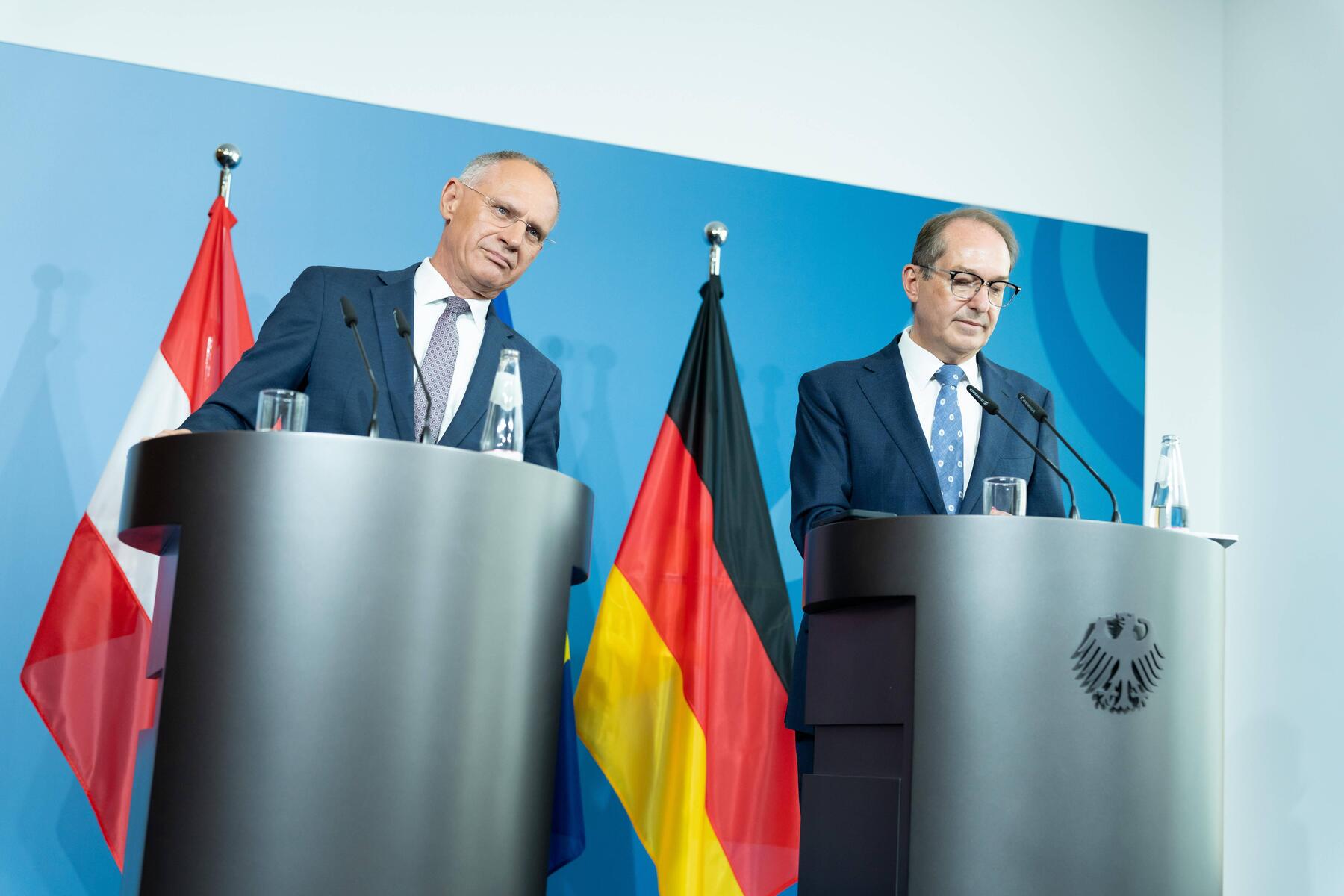
The Council of Europe's Commissioner for Human Rights, Michael O'Flaherty, has outlined four essential conditions for countries pursuing the establishment of "Return Hubs" for rejected asylum seekers in third countries. The commissioner communicated these demands in a letter addressed to Austria's Interior Minister Gerhard Karner, with similar letters sent to his counterparts in Germany, Denmark, Greece, and the Netherlands.
Your government intends to quickly establish Return Hubs.
These five nations are collaborating to develop a concrete plan for these centers by the end of 2026, with implementation targeted for 2027. O'Flaherty emphasized that while there is a shared understanding of the need to adapt migration and return systems for effectiveness, all measures must strictly adhere to EU law, international law, and human rights standards. He stressed the necessity of a robust legal framework for operating such centers.
We all agree that our migration and return system needs to be adapted with a view to its effectiveness.
Key demands include a thorough assessment of human rights risks before any initiative, ensuring that the hubs are subject to "adequate, independent, and continuous human rights monitoring" with robust review and suspension mechanisms. Furthermore, cooperation agreements must contain enforceable human rights clauses, and there must be provisions for parliamentary, public, and judicial oversight through the publication of risk assessments, mitigation plans, monitoring results, and agreements.
All measures that Austria takes must be in full compliance with the obligations under EU law and international law, including human rights standards.
DistantNews Editorial
Originally published by Die Presse in German. Translated, summarized, and contextualized by our editorial team with added local perspective. Read our editorial standards.
More Stories


From Our Blog

What Gets Lost (and Found) When News Is Translated

The Critical Role of Diaspora Media in Global News

What Travellers Should Know About Countries with Restricted Press

A Digital Nomad's Guide to Following Local News

How the Same Story Looks Different in Different Countries
